EDITORIAL • When two excused SD members voted in parliament, an outcry ensued. The opposition spoke of cheating, manipulation, and threats to democracy. But in reality, the incident exposed something entirely different—a deeply outdated system where the will of the voters’ majority can be sidelined by political defectors.
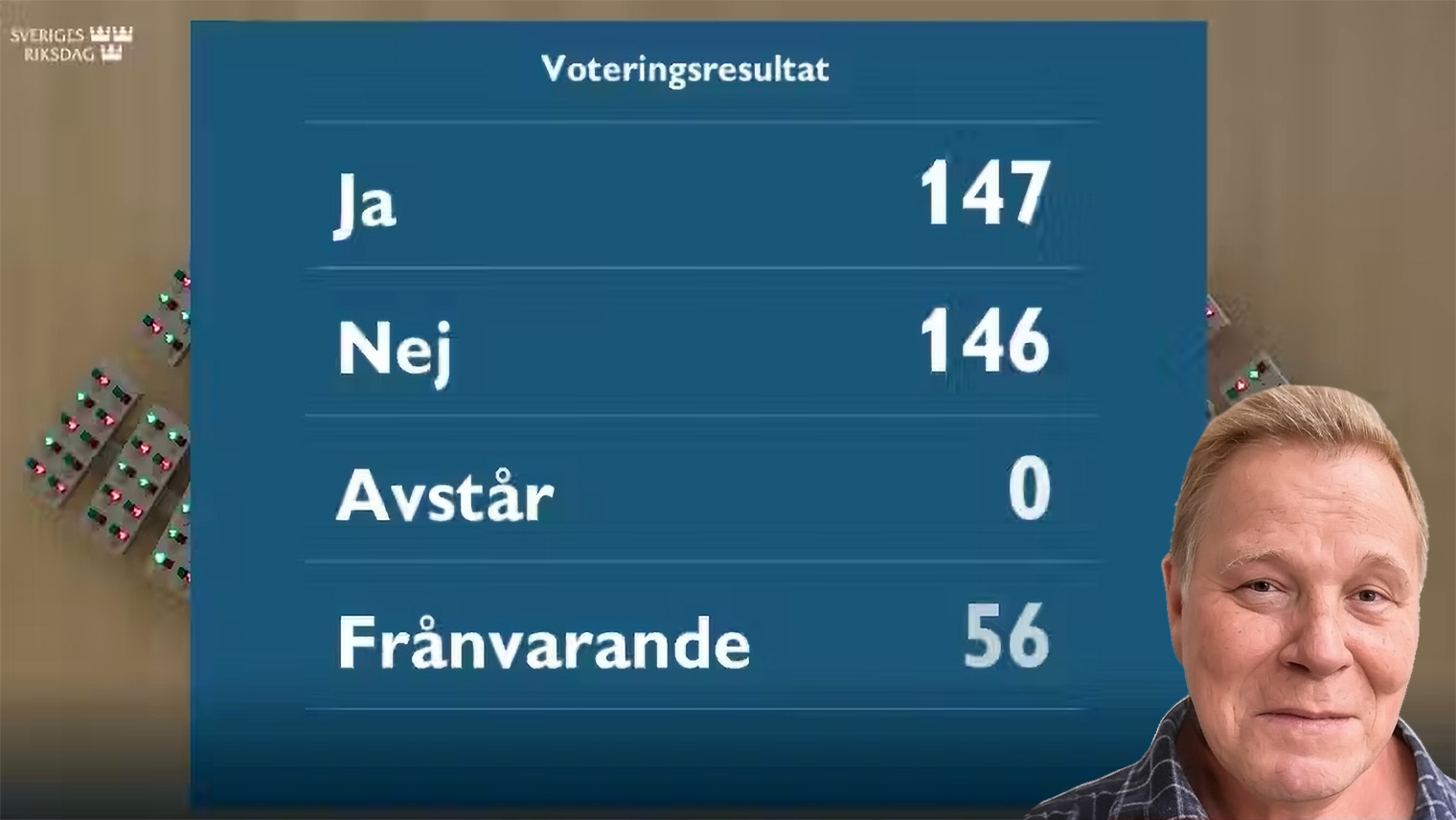
Dramatics ensued in the Riksdag when Michael Rubbestad and Charlotte Quensel, who had been paired out before the vote, nonetheless participated in the vote on soft transition rules for stricter requirements for Swedish citizenship. The result was that the opposition’s proposal fell by 147–146 votes.
The reactions came instantly when SD’s decision to restore the correct parliamentary order became known. S-profile Lena Hallengren called the action undemocratic. MP’s Annika Hirvonen spoke of manipulation. Left Party leader Nooshi Dadgostar—whose party roots trace to a communist dictatorship—claimed that SD shows no respect for democratic rules.
SEE ALSO: SD defectors betrayed their old party – tried to stop tougher citizenship requirements
But that is of course wholly the wrong conclusion. The real problem is not that two members voted, but that Sweden’s parliamentary system allows majorities to be distorted by people who have left the parties through which they were elected.
Pairing Is Practice, Not Democracy
The pairing system is not part of the constitution. It is not part of the core of democracy. It is a practical agreement between parties so that absence due to illness, travel, or other commitments does not affect the balance of power in the chamber.
It is a convenient system—as long as everyone shares the same understanding of representation. But pairing can never outweigh the election results. When a majority has been elected by the voters, that majority must be able to govern. If there is a conflict between an informal system and the voters’ mandate, the mandate should weigh most heavily.
That is exactly what happened here—in the absence of a way for parties to reclaim their parliamentary seats when a member leaves or is expelled, or a compensatory pairing system through which the parties can neutralize their defectors.
Political Defectors Are the Real Anomaly
In Sweden, voters in practice vote for parties, not for independent candidates. Parliamentary seats are allocated between parties. Candidates enter via party lists. No one can realistically get elected as a wholly independent force in the way that occurs, for example, in the US or the UK.
Therefore, the system becomes odd when a member leaves their party but keeps the mandate and uses it against what the voters actually voted for.
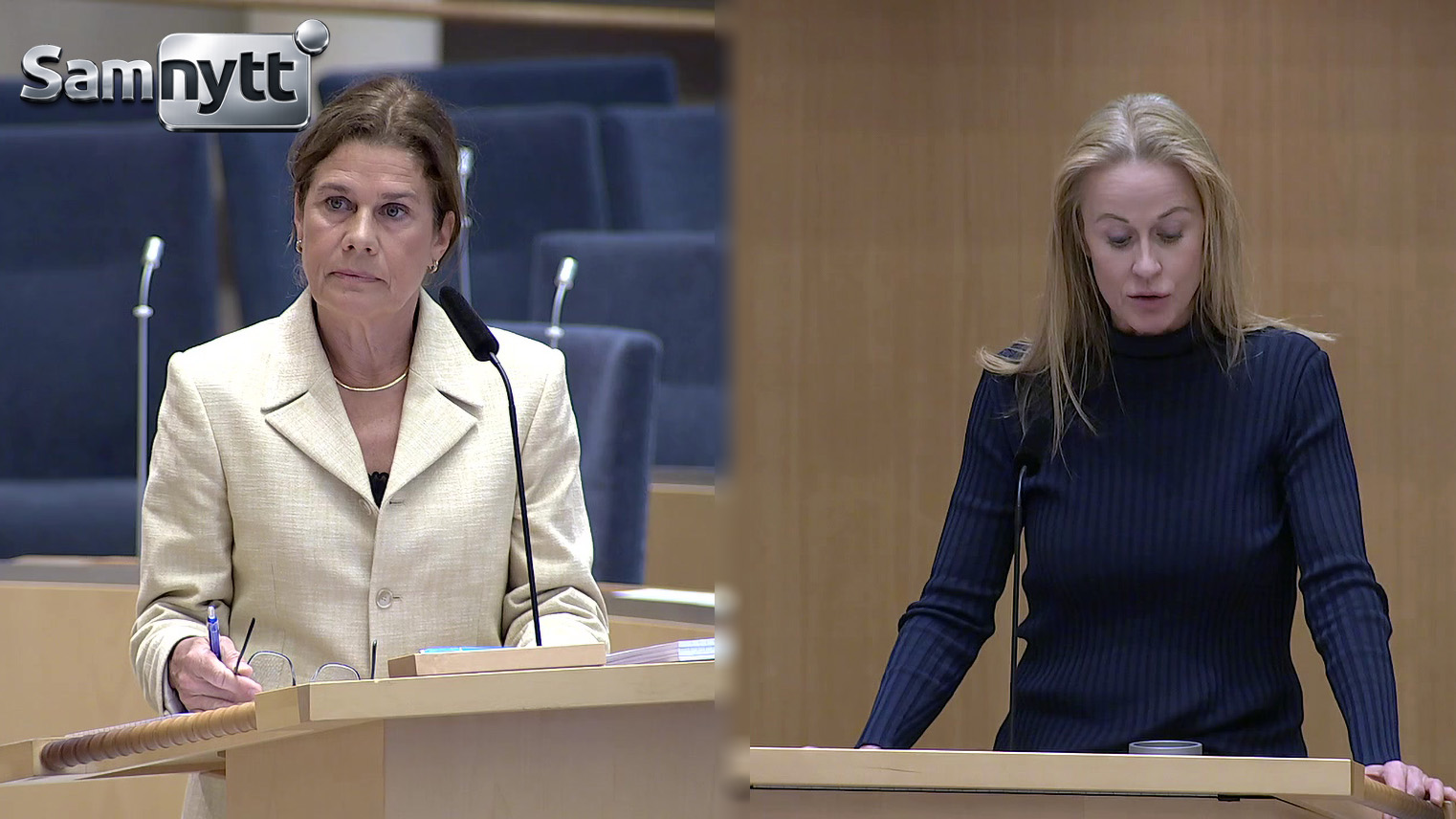
That is what has happened several times before, and again in this parliamentary term, where former SD members such as Elsa Widding and Katja Nyberg became political defectors, thus changing the balance of power in the chamber without any new election being held. This is not reasonable. It is not democracy.
Sweden Has Seen the Problem Before
The phenomenon is not new. When Jeff Ahl left SD and joined Alternative for Sweden (AfS), a party that had never come close to entering parliament suddenly had representation in the Swedish parliament.
A whole bunch of Left Party members have also become defectors during this term and, like Widding and Nyberg, formed an obscure little party that barely exists outside of the paperwork. This illustrates the core problem—voters vote parties in, or out, at the ballot box—not through defections mid-term.
Other parties have also been affected. The Social Democrats have had controversies concerning members who stayed on despite broken trust; currently, they have one who established himself as an Islamist and left the party just before he was about to be removed. The problem is systemic, not party-political.
The Opposition’s Outrage Rings Hollow
The parties now speaking loudest about rules of the game would have gladly counted the votes from defectors if the result had gone their way. None of them would have refrained from victory on moral grounds. That makes the indignation less credible.
Moreover, several of these same parties have historically been prepared to use other constructs to neutralize inconvenient election results—like the December Agreement and the January Agreement. For them to suddenly talk about absolute respect for parliamentary rules seems highly selectively principled.
No Coup—A Warning Signal
Calling what happened on Wednesday cheating is an exaggeration, or even a conceptual error, if one looks at the bigger democratic picture. On the contrary, the vote exposed a democratic deficit in Swedish parliamentarism.
The voters gave the Tidö parties a majority. That majority should not be able to be overturned by defectors, personal projects, or newly-formed micro-parties that have never been tested by the voters.
If Sweden wants to take the people’s will seriously, the constitution should be reviewed, and now is the chance to do so with two matching decisions before and after the upcoming election this autumn. A mandate should belong to the party through which it was won, and revert to the party when the member leaves it. That would reduce arbitrariness, strengthen accountability, and ensure election results remain meaningful throughout the entire parliamentary term.
Time to Solve the Real Problem
Wednesday’s vote was not the collapse of democracy. It was a reminder that Swedish democracy still carries a peculiar relic from another and more distant, almost pre-democratic time, when Sweden had an estate-based parliament built on quite different criteria than the will of the people.
The small coup consisted of two excused members voting. The grand order that was restored was that the majority the voters actually elected in 2022 also got to win. There are only a few months left until the next general election—those now complaining should be patient until after September if they want to get their policies through.