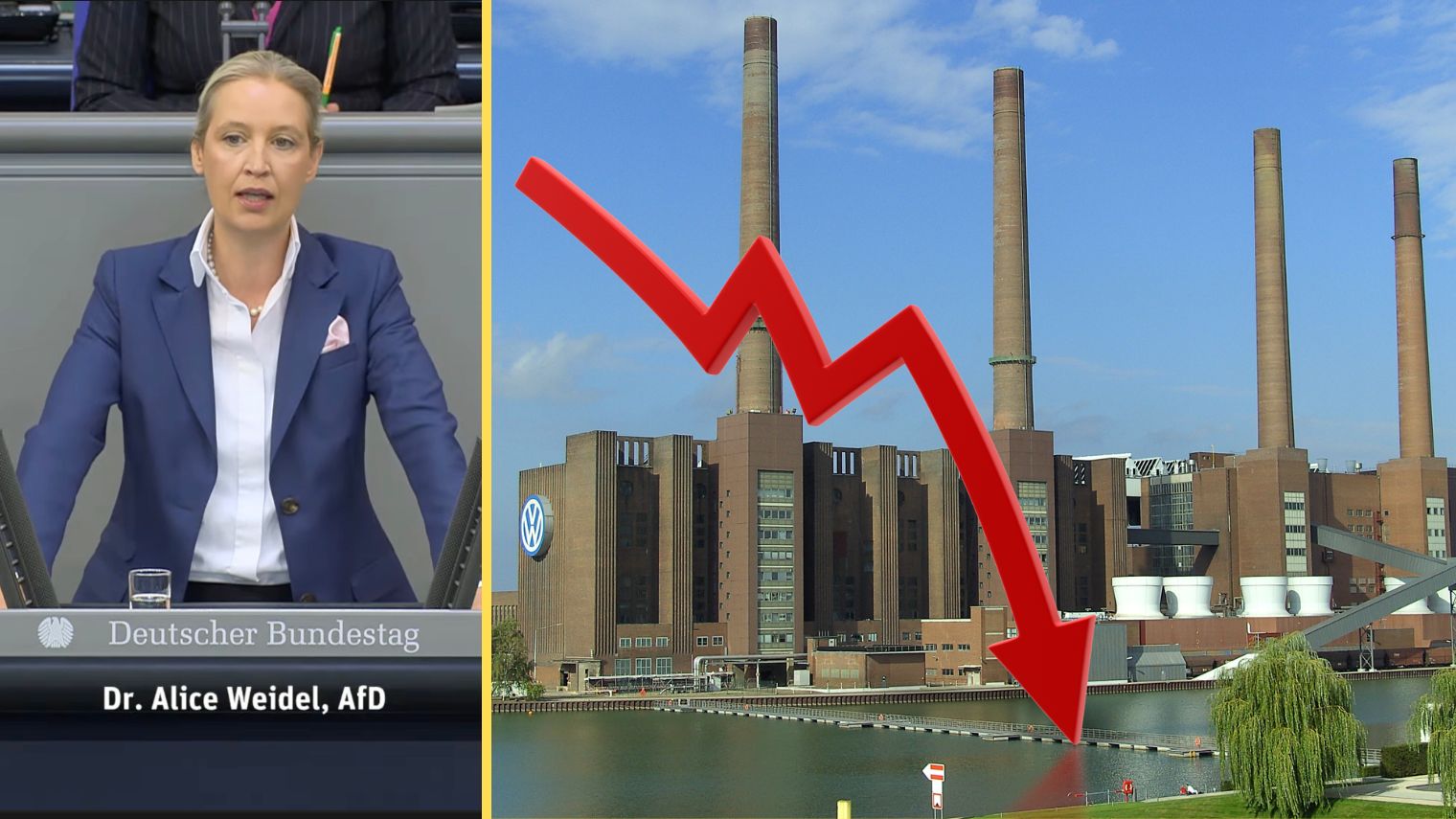
AfD leader Alice Weidel launched a fierce attack on Chancellor Friedrich Merz during a debate in the German Bundestag last week. She accused the government of failing to manage both the economy and migration—at the same time as Germany’s industrial engine is sputtering, growth forecasts are being downgraded, and several of the country’s largest automakers are implementing massive cutbacks. For example, Volkswagen plans to reduce its workforce in Germany by 19,000 employees before the end of the year.
In her speech, Weidel claimed that the current government’s policies are contributing to a negative trend for German businesses. According to her, companies are being pressured by high taxes, rising energy costs, and extensive bureaucracy, leading to relocations abroad and an increase in bankruptcies.
In fact, Germany’s economy has struggled to pick up speed following recent years’ crises. GDP grew by only 0.2 percent in 2025, and in April, the German government cut its growth forecast for 2026 in half, to 0.5 percent.
READ ALSO: Germany’s Growth Forecast Halved
Higher energy costs, weak exports, and increased international competition continue to weigh on Europe’s largest economy, while the recovery is expected to be slower than anticipated.
The AfD leader argued that Germany’s industry is increasingly downsizing and leaving the country, warning that the nation’s competitiveness risks being further weakened if the course is not changed.
Car Manufacturers Cut Back
In recent years, Germany’s major car manufacturers have made significant cutbacks. News agency Reuters recently reported that German car giant Volkswagen will reduce its workforce in the country by about 19,000 people before the end of the year.
The reductions are part of a larger restructuring program, with more than 28,000 jobs set to be cut by 2030. At the same time, the company says factory costs at German sites have already been reduced by over 20 percent.
READ ALSO: Merz Booed During Congress Speech – German Anger Grows Over Cutbacks and Crisis Policy
The background to this restructuring is explained by increasing cost pressures, toughening competition—not least from Chinese electric car manufacturers—as well as the extensive investments required in the transition to electrification.
Porsche has also announced cost-saving measures this year. As recently as May, Reuters reported that the sports car maker plans to eliminate more than 500 jobs.
READ ALSO: Prime Minister: EU on the Brink of “an Existential Crisis”
Mercedes-Benz has also taken steps to cut costs. Reuters reported last year that the automaker has reached an agreement with labor representatives to offer employees voluntary severance packages while planned salary increases are being halved.
The company hasn’t specified how many jobs might be lost but stated that production workers will not be affected and, at the same time, extended its job guarantee until the end of 2034.
No Cheap Russian Gas and No Nuclear Power Plants
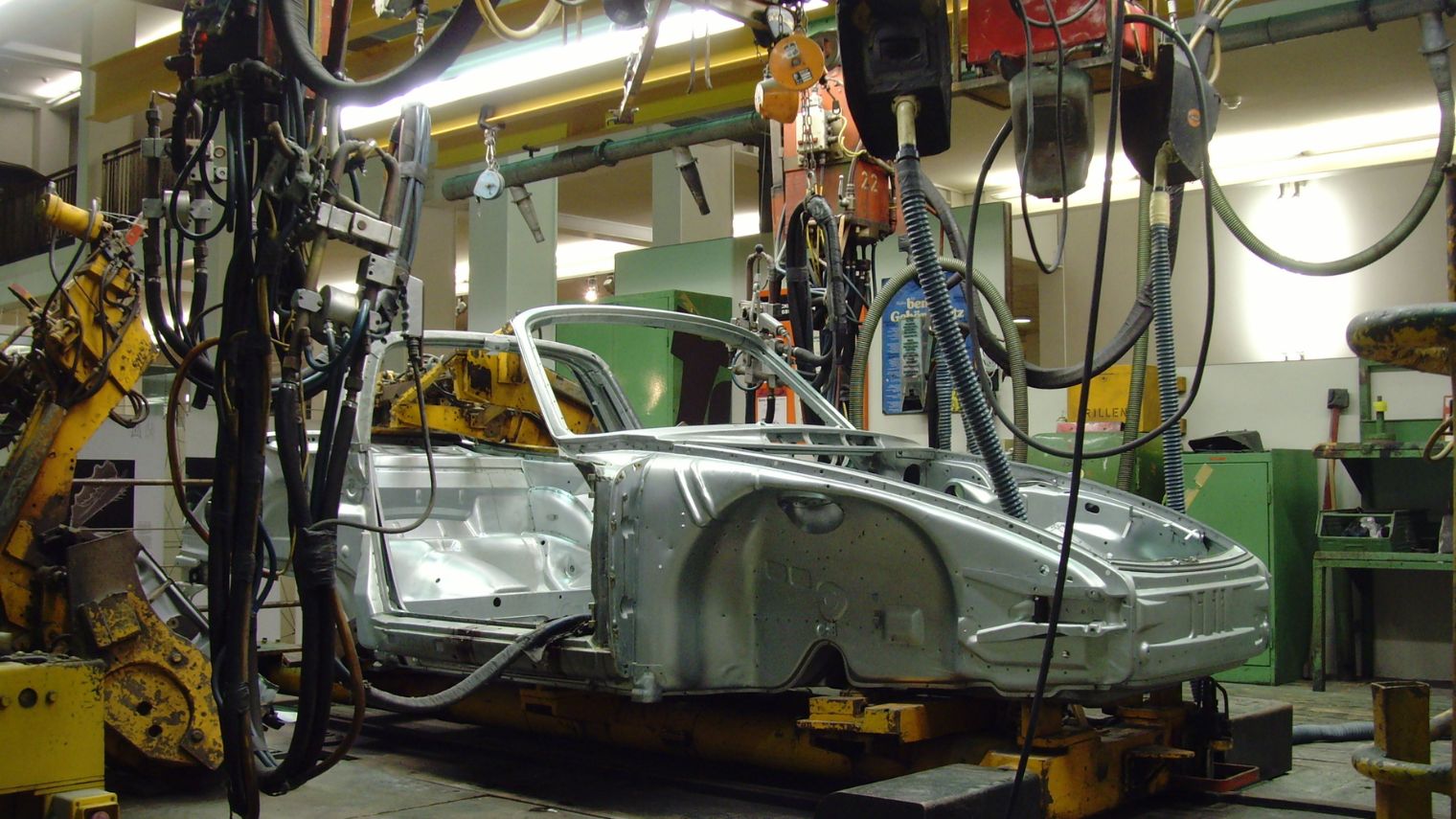
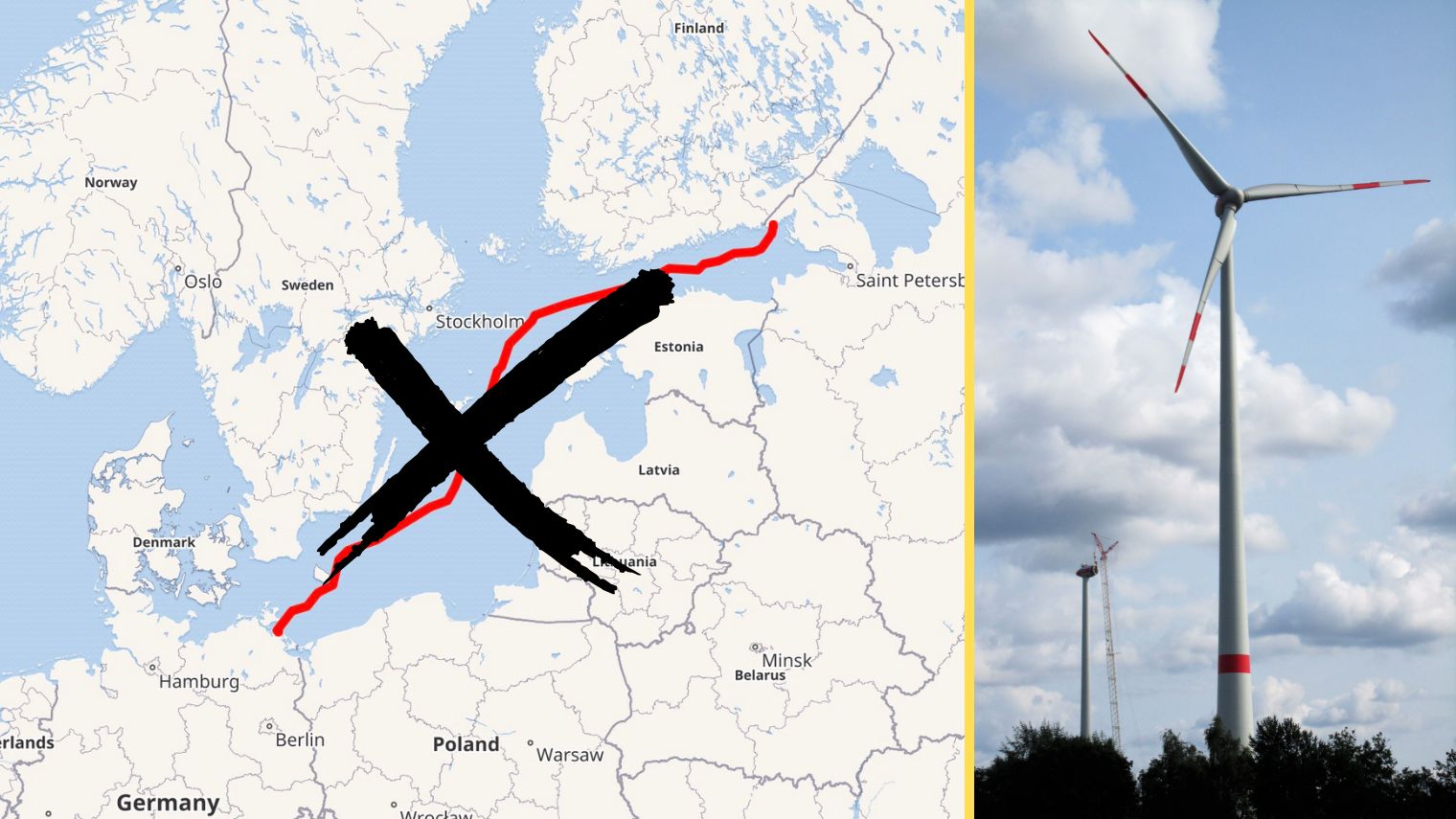
Taken together, the cutbacks reflect the structural challenges facing German industry. The cheap Russian gas that contributed to the country’s competitiveness for decades is gone, while Germany has shut down its nuclear power plants and pursued rapid energy transition.
Industry representatives have long warned that rising energy costs, increased regulation, and tougher :censored:6:cdd6bbaa89: competition risk undermining Europe’s industrial competitiveness.
READ ALSO: AfD is the Biggest Party
This is happening at the same time as car manufacturers are pressured by extensive investments in electrification and ever-tougher :censored:6:cdd6bbaa89: competition. In the business sector, criticism has emerged that parts of the EU’s climate and regulatory framework risk increasing costs for European companies at a time when competition from China and the US is intensifying.
Mass Immigration
Germany’s migration policy was another key theme in AfD leader Alice Weidel’s hard-hitting speech against the government under Merz. She claimed that the government continues a policy that encourages extensive immigration and especially criticized rules regarding citizenship and integration.
According to Weidel, the government has failed to manage the migration issue in a way that protects the country’s economic and social systems.
READ ALSO: Report: Europe or the Middle East?
Weidel also sharply criticized the government’s economic policy. She argued that ordinary taxpayers risk having to bear an even greater financial burden through higher fees, longer working lives, and reduced benefits. According to the AfD leader, significant public resources are at the same time going to priorities other than those that directly benefit German households.
READ ALSO: Germany: Welfare Can No Longer Be Financed – Yet Sends 10 Billion Euros Annually to Ukraine
In her speech, Weidel presented two possible paths forward for Chancellor Friedrich Merz. The first was to break the current cooperation with the Social Democratic SPD and seek support from other parties. The second, she argued, was to continue on the current path and risk that voters eventually demand new elections.