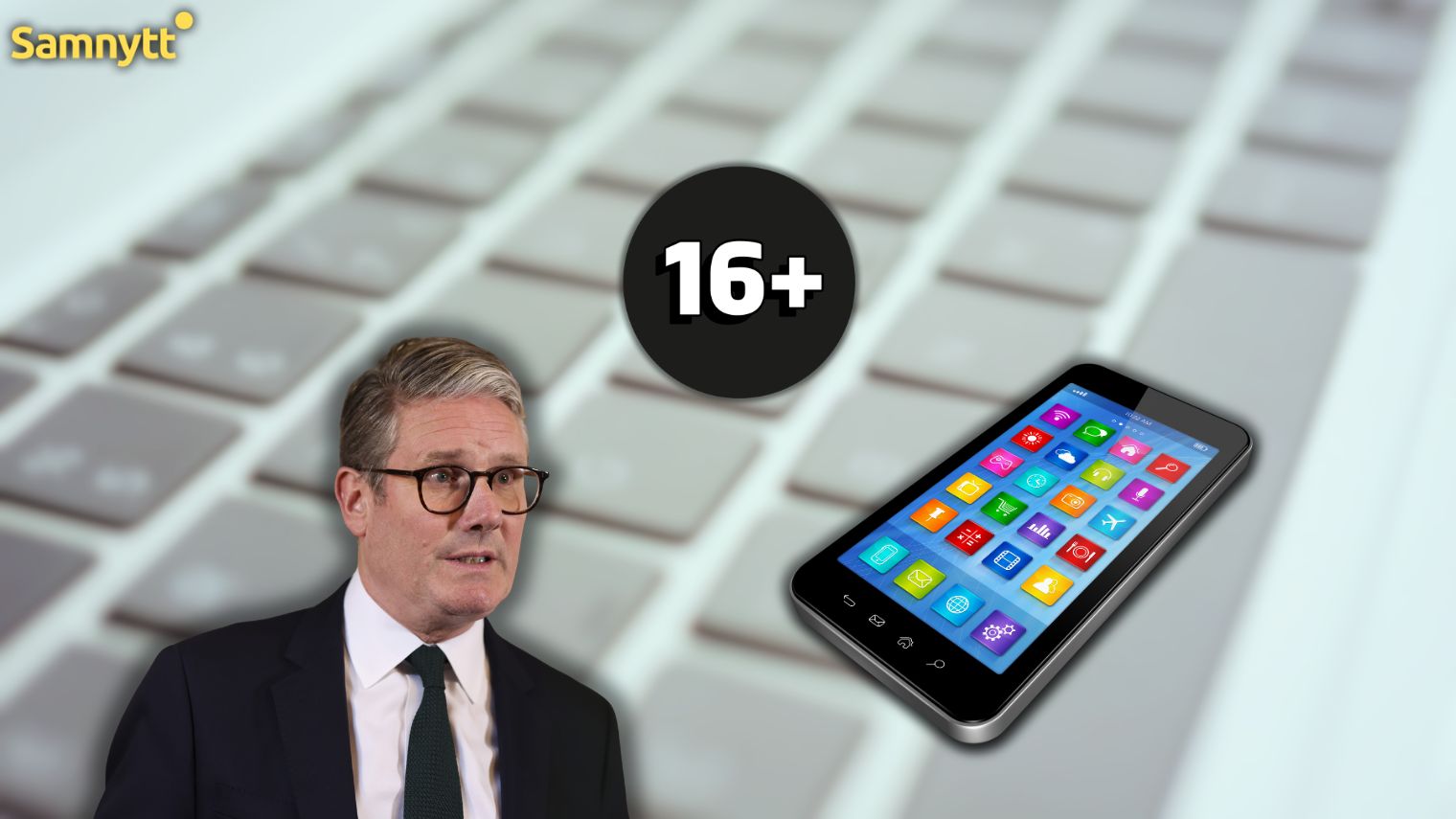
The UK is planning to introduce a comprehensive ban stopping children under 16 from using major social media platforms. The announcement was made by Prime Minister Keir Starmer and is described as one of the most far-reaching measures yet to regulate young people’s lives online.
The model is Australia, and the ban targets platforms like TikTok, Instagram, Snapchat, Facebook, X, and YouTube—services based on user-generated content and algorithm-driven feeds. Messaging apps like WhatsApp and Signal are exempt, as are certain educational and e-commerce services.
The government justifies the decision with concerns about children’s mental health, online bullying, and exposure to harmful content. Starmer describes the measure as a way to “give children their childhood back” and reduce the time they spend in addictive digital feeds.
According to the government, a large majority of parents have expressed support for stricter age limits, with about 90 percent saying yes to tighter rules for social media.
ALSO READ: EU Demand: Age Verification for Social Media
Enforcement will rely on technical age verification. Platforms are expected to use methods such as digital IDs, bank or email checks, and in some cases, facial age estimation. The regulatory authority Ofcom will have a central role in monitoring compliance.
The ban is expected to be introduced gradually with legislation over the coming year and fully implemented in the spring of 2027.
AI chatbots designed for “romantic companionship”—intended to simulate sexual relationships or roleplay with users—will also be required to impose a minimum age of 18. Similar intimate features will be restricted.
Criticism and Concerns
At the same time, the proposal faces criticism from several quarters. Some experts and organizations argue that a ban may be difficult to enforce in practice, as young people could circumvent the rules through services like VPNs or fake accounts. Others warn that the measure could drive young people to less regulated and potentially more dangerous platforms.
Tech companies have also expressed concerns regarding privacy issues and how comprehensive age checks can be carried out without affecting all users.
A spokesperson for Meta, owner of Facebook and Instagram, says they do not believe a ban will achieve the goal of keeping teenagers safe online, while a spokesperson for Snapchat said a ban on their platform could push young people to “less safe platforms.”

More Countries Expected to Follow
The UK decision follows a broader international trend where several countries are tightening rules on children’s use of social media. Similar models have already been introduced or are being tested in other parts of the world as political demands to protect young people online grow.
Australia has introduced a law prohibiting social media for children under 16, which came into force at the end of 2025. Platforms like TikTok, Instagram, Facebook, and YouTube are covered, and companies risk large fines if they do not block underage users.
ALSO READ: No smartphones and social media for children in a Nordic neighbor
Denmark has also decided on an age limit of around 15, and Spain has announced plans to ban social media for those under 16. Several EU countries, such as France, Greece, and Italy, have either introduced requirements for parental consent or are preparing stricter age limits.
Norway, Portugal, and Slovenia have also proposed or are preparing legislation on age restrictions, often between 15 and 16 years. At the EU level, joint rules are under discussion, including the possibility of a general age limit around 16.
Government Inquiry
There are proposals in Sweden to introduce a statutory age limit of 15 years for social media. The idea is that children under 15 should not be able to have accounts on platforms like Instagram, TikTok, and Snapchat, and that companies themselves should be responsible for enforcing the rules, often through some kind of ID verification.
The proposals are being discussed politically and are part of a government inquiry, but no decision has been made yet. The main aim is to strengthen protection for children and young people online.
Harmful to Mental Health
Several large studies have shown that teenagers who spend a lot of time on social media more often report symptoms of anxiety, depression, and lower self-esteem. The effects are particularly notable among girls, where comparisons, idealized body images, and social pressure around appearance seem to play a greater role.
ALSO READ: Widespread support for banning social media for children
Research from, among other places, the USA and Europe indicates that teenage girls, more than boys, are affected by social comparison and “perfect life” content, which can reinforce feelings of inadequacy and stress. At the same time, studies show that the problem is often not just about time spent on social media, but also how the platforms are used—for example, passive consumption and exposure to appearance-focused content.
ALSO READ: Study: The less social media – the better well-being