
As the war in Ukraine enters its fifth year, more and more voices within the EU are being raised about how the conflict might be concluded. It is no longer just Hungarian Prime Minister Viktor Orbán broaching the issue – Belgium’s Prime Minister Bart De Wever also believes the union needs an entirely new strategy. De Wever says he privately speaks with several EU leaders who share his view that the EU cannot defeat Russia with weapons deliveries or further sanctions, though they dare not say so publicly. According to him, there is basically only one way left – to strike a deal with Vladimir Putin.
In an interview with the Belgian newspaper L’Echo on Saturday, Belgium’s conservative prime minister stated that the EU currently lacks the military and economic weight to force a change of course from Russia in Ukraine.
“Since we are not capable of threatening Vladimir Putin by sending arms to Ukraine, and we cannot economically choke him without US support, there is only one method left – to make a deal,” De Wever said, according to the news agency AFP and site Euractiv.
ALSO READ: Tomas Tobé (M): “Utterly Scandalous” To Want to Negotiate Peace With Putin
One EU leader who does not share that perspective is Sweden’s Prime Minister Ulf Kristersson (M). According to him, the EU should force Putin to the negotiating table through more weapons deliveries and new sanctions. Kristersson has also pointed out that many Swedes are worried about what a sudden peace on the wrong terms might mean.
ALSO READ: Prime Minister Kristersson: Force Putin to the Negotiating Table
“It is clear that Putin must be forced to the negotiating table,” the Prime Minister has, among other things, written and continued:
“My message is that it is in Sweden’s interest that Russia’s aggression toward neighboring countries never pays off. Otherwise, what is happening in Ukraine today could strike any of us in the EU tomorrow.”
ALSO READ: Wallenberg: We Are Not Prepared for Peace in Ukraine

But Bart De Wever argues that it is an unrealistic scenario and contends that it would require full American support to successfully pressure Russia militarily or economically. He claims this is not happening today, as the White House is pursuing a different line: ending the war soon.
“The official policy is that we are to continue until Russia is on its knees. That would only be realistic with one hundred percent support from the US, but they do not really support Ukraine. Sometimes I think they are closer to Putin than to Zelensky,” says De Wever.
The Prime Minister: No One Dares Say It Publicly
The Belgian prime minister goes on to say that the EU needs to regain access to cheap energy, and that this is a matter of common sense if the union is to remain competitive.
ALSO READ: Prime Minister: EU On The Brink Of An “Existential Crisis”
“We cannot fall into naivety. We must rearm and militarize the border again. At the same time, we must normalize relations with Russia and regain access to cheap energy. It is common sense,” says the prime minister according to Belgian media.
He also says that several EU leaders privately agree with him, but none dare state it publicly.
“In private talks, European leaders tell me I am right, but no one dares to say it openly.”
ALSO READ: Researcher: Swedish Media and Politicians Mislead With Propaganda On The Ukraine War
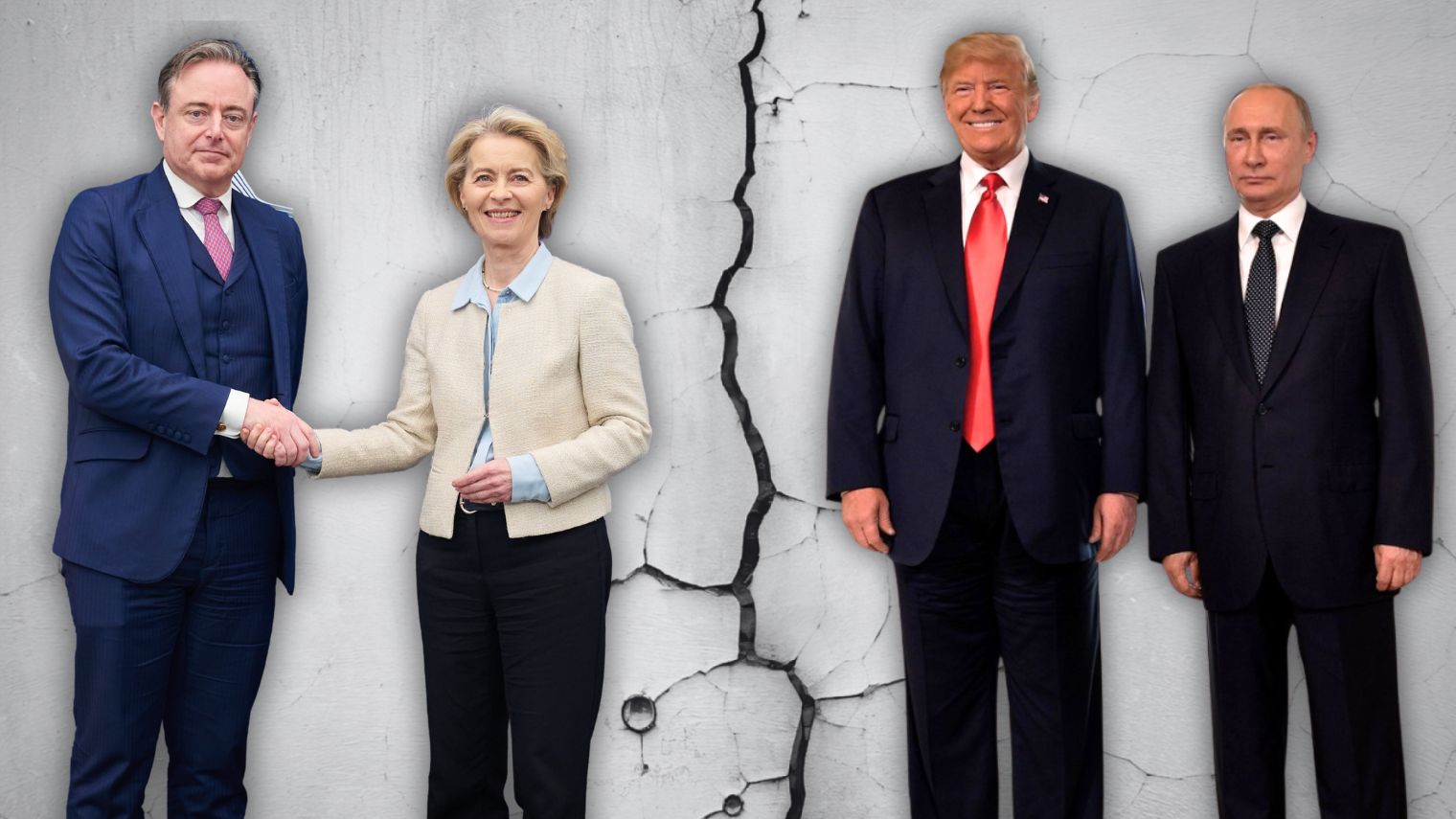
CE – Service audiovisuel /
Dati Bendo / Kremlin
Does Not Believe The White House Supports Ukraine
The Belgian prime minister also elaborates on his view of the US position, saying that he does not believe the White House truly supports Ukraine in the ongoing war.
One reason for his view may be that the US has stopped sending weapons directly to Ukraine and instead only sells weapons to NATO countries, who then pass them on to Ukraine.
“But they are not really for Ukraine. Sometimes I think they are closer to Putin than to Zelensky.”
ALSO READ: US Urges EU: Buy Weapons From Us – And Donate Them To Ukraine
Bart De Wever wants the EU to adopt a new strategy and enter into direct contact with Russia’s president Vladimir Putin for negotiations. Otherwise, he believes, the union risks ending up with a bad deal.
“Without a mandate to go negotiate in Moscow, we are not at the negotiation table where the Americans will pressure Ukraine to accept a settlement. And I can already say that it will be a bad deal for us.”
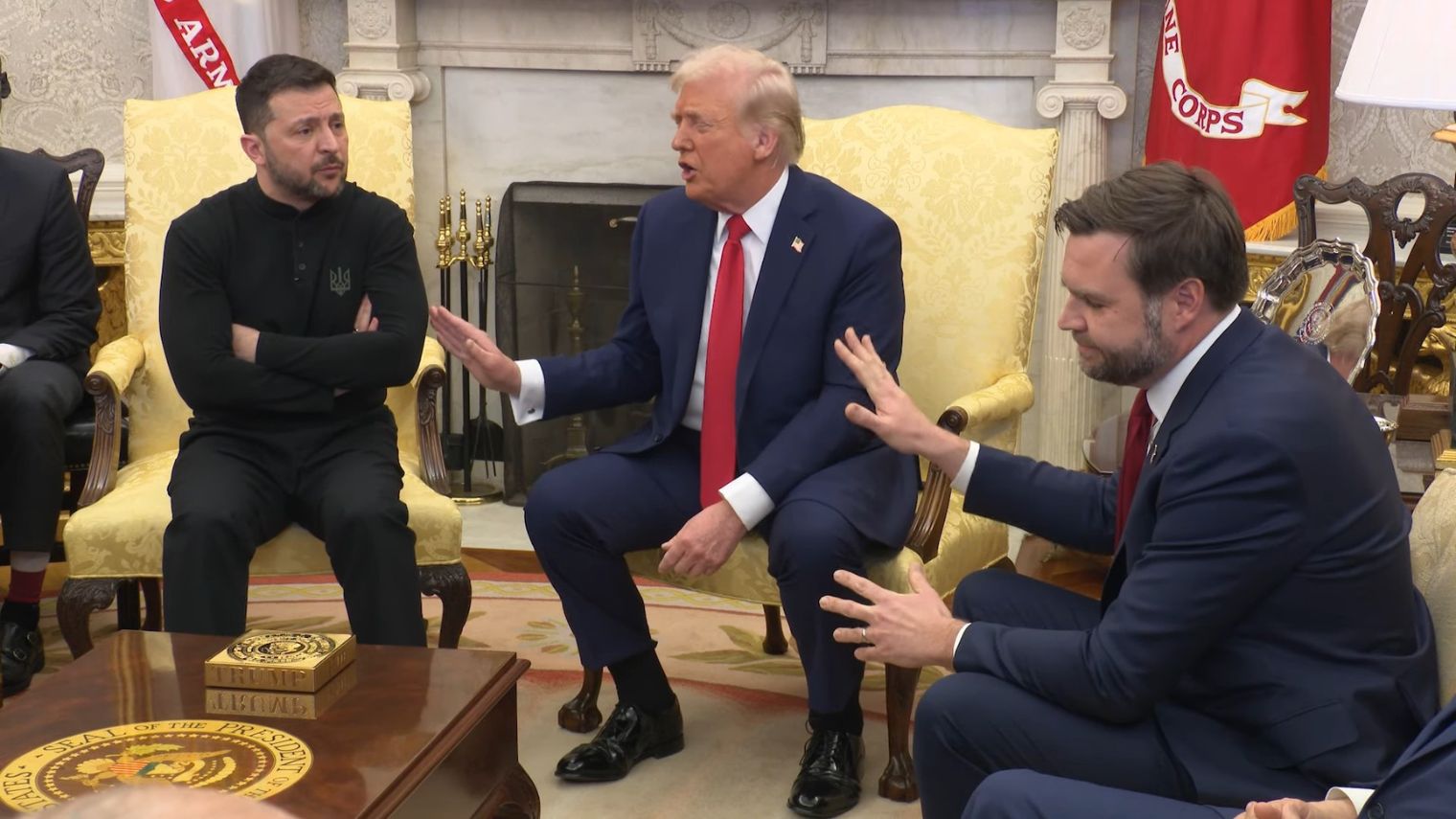
Opposed Use of Russian Assets in the EU
At the end of 2025, Belgium’s Prime Minister Bart De Wever drew attention during discussions within the EU about using confiscated frozen Russian assets and transferring them to Ukraine’s President Volodymyr Zelensky to buy weapons and cover costs.
ALSO READ: EU Leader: We Must Send a “Lifeline” Of 1 Trillion SEK to Ukraine
During the negotiations, De Wever maintained the position that Belgium assessed that Russia would not lose the war in Ukraine. He therefore warned that the frozen Russian assets might in future need to be returned to Russia when the conflict is over.
ALSO READ: Now Seven In Ten Ukrainians Want to Negotiate Peace With Russia
He also cautioned that confiscating the assets risked destabilizing the EU and its member states, including through what he described as possible “eternal retaliation”, for example in the form of legal proceedings that could be brought against European interests in other countries.
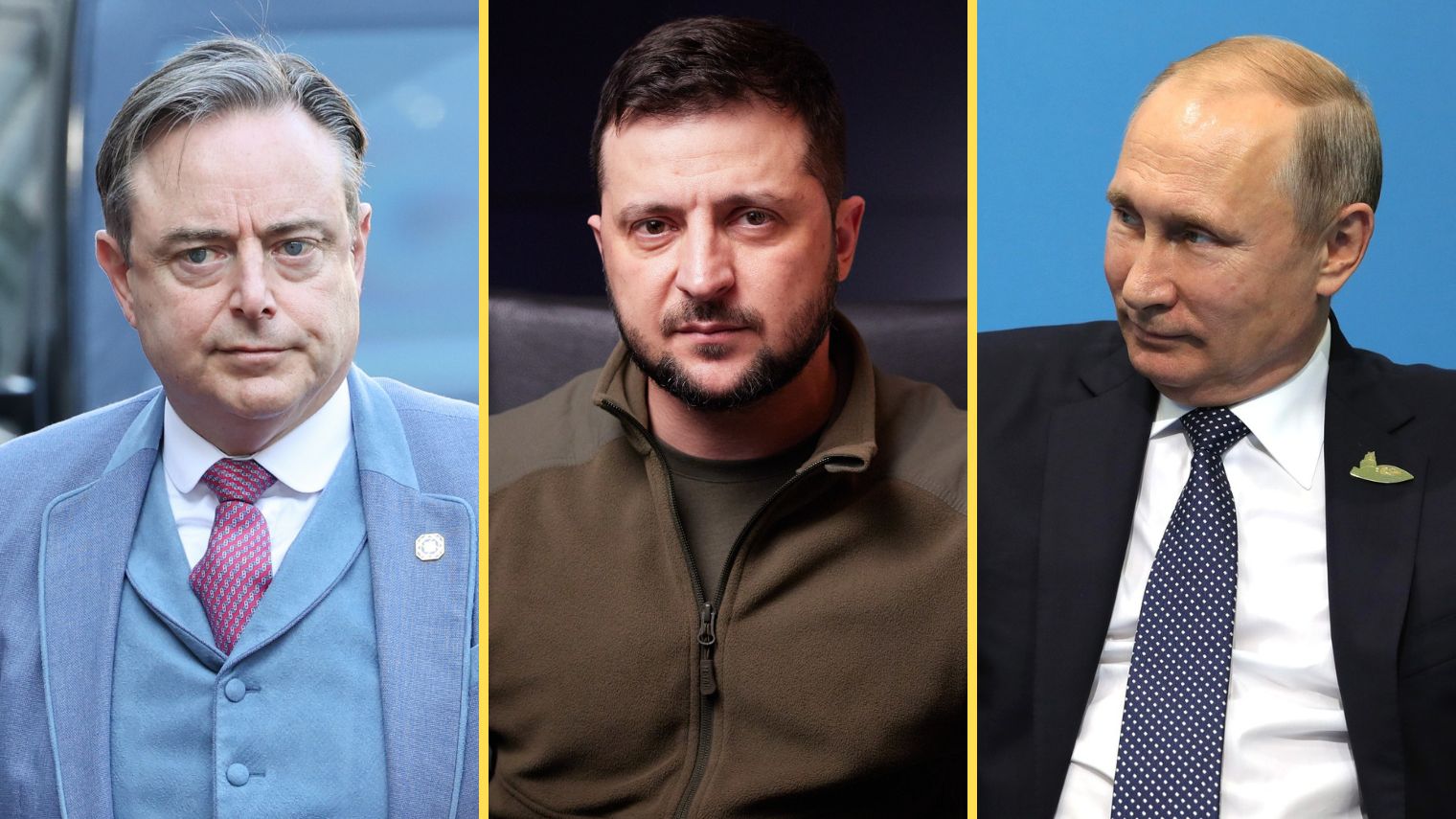
Belgium therefore opposed, on several occasions, a model in which Ukraine would be able to use Russian assets. De Wever underscored that such a decision would have severe economic and geopolitical consequences for the union.
The plan eventually was not carried out in the form initially proposed. European Commission President Ursula von der Leyen later announced that member states instead had agreed to lend 963 billion SEK, plus interest, to Ukraine. The risk of non-repayment thus lies with EU taxpayers.
However, the loan is currently stalled because both Hungary and Slovakia are blocking it due to the ongoing conflict with Ukraine over Russian oil deliveries via the country. According to sources to the newspaper Politico, the Nordic and Baltic countries are now planning their own aid package for Ukraine, to cover its costs until September. This could amount to as much as 321 billion SEK, and it is still unclear how the risk will be spread.
READ MORE: Sweden Helping Arrange “Emergency Solution” For Ukraine Worth 321 Billion SEK