
The dream of owning a lakeside retreat can quickly turn into a financial nightmare. According to a shoreline protection lawyer, buyers risk inheriting illegal constructions, being forced into costly demolitions—and, in the worst case, seeing the property’s value plummet dramatically as a result.
Buying a holiday home is not just about the location, the view, and the jetty. It can also mean you inherit the previous owner’s mistakes.
According to the lawyer Giedre Jirvell, responsibility for unauthorized actions follows the property—regardless of their age. There is no statute of limitations under the shoreline protection law. A jetty or building erected without permission decades ago can therefore still be illegal today.
The consequences can be severe—demolitions can cost hundreds of thousands of kronor, and authorities may also impose hefty fines. A seller saying that “it has always looked like this” is, in practice, worthless without documentation.
What Seems Permitted May Be Prohibited
Many buyers are deceived by the appearance that a waterfront plot is ready to be used and developed. But within protected shoreline zones—usually 100 meters from the water, sometimes up to 300 meters—far-reaching restrictions apply.
It’s not just about new buildings. Even seemingly minor actions may require a permit, such as felling trees, laying lawns, building a deck, or erecting a fence.
This often surprises many—the rules apply even on your own plot, and also to things that normally wouldn’t require a building permit on less water-adjacent land.
“Private Beach” May Be an Illusion
Terms like “private beach” and “private jetty” are often used in real estate ads—but the legal reality is more complicated.
There is a big difference between the home privacy zone (the area closest to the house, where the public is not allowed) and the designated land plot (the area specifically approved under a shoreline protection exemption).
READ ALSO: List: Where You Get the Most House for Your Money
It’s important to know that unauthorized buildings and constructions are not included in the designated land plot—regardless of how long they have been there. They can be subject to inspection at any time and, in the worst case, ordered to be removed.
The Jetty: The Most Expensive Trap
Perhaps the biggest risk in a waterfront purchase is the jetty. It’s also the most common reason why new owners find themselves in disputes with authorities.
Recent court cases have resulted in a tougher stance on both jetties and dredging. A jetty can be ordered demolished even if it has been there for decades—if the proper exemption was never granted.
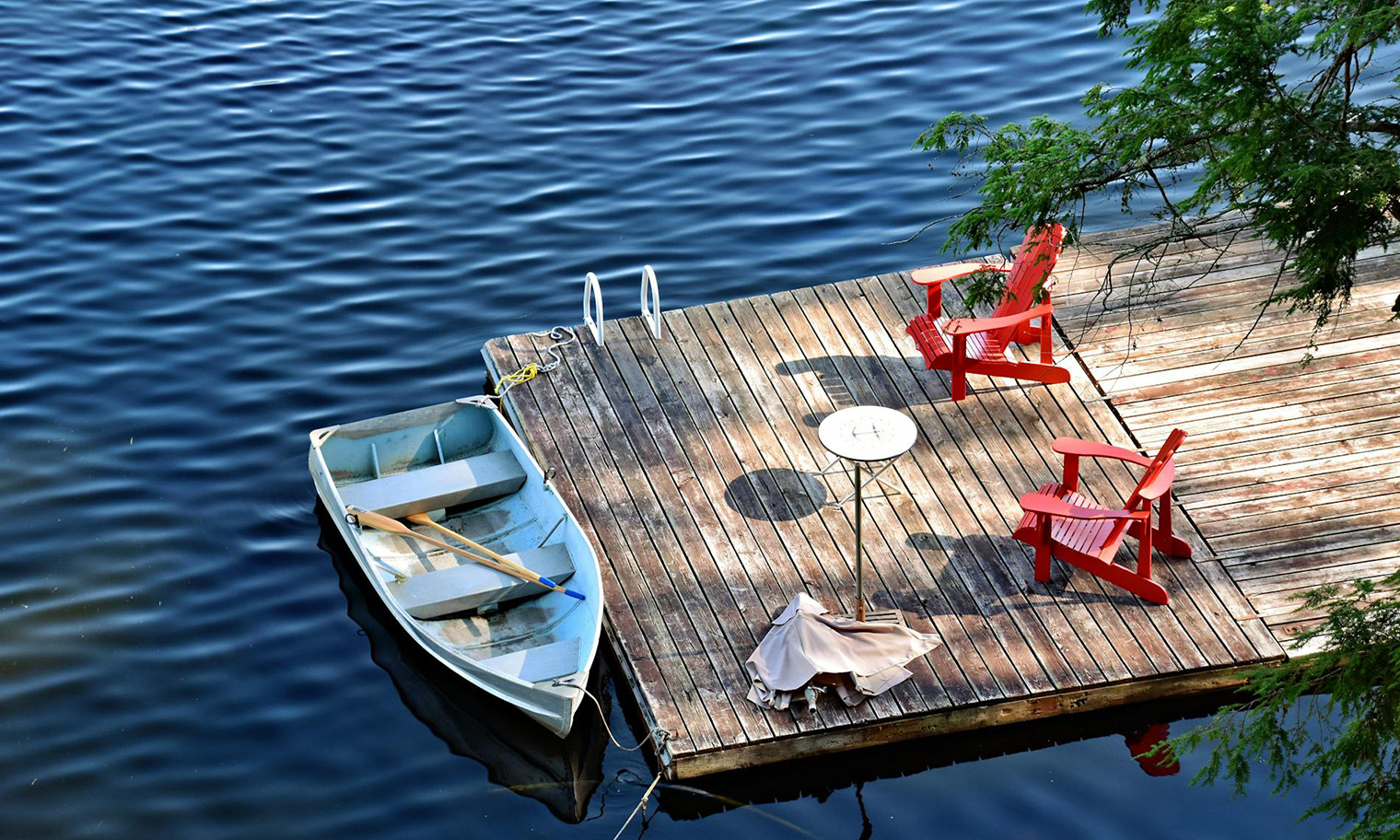
A common misconception is that an easement automatically means the jetty is approved. But an easement only regulates the relationship between neighbors, not what is permitted under environmental law.
Additionally, a jetty can become virtually worthless if it requires dredging for use, and permission for dredging is not granted.
Multiple Protections May Apply Simultaneously
Shoreline protection is only part of the regulations. A property may also be covered by, for example, nature reserve rules, Natura 2000 designations, biotope protection, or be of national interest.
This means that an action permitted under one rule can be completely forbidden under another. This kind of overlapping protection is often overlooked by buyers—but can have major consequences.
How to Minimize Risk — Before Buying
To avoid an expensive surprise, a buyer should, according to the lawyer, conduct a thorough inspection before signing the contract.
Make sure there are written exemption decisions for all buildings and constructions near the water. Demand a clause in the contract covering you if permissions are missing. Check with the municipality and county administrative board for any ongoing supervision cases. Find out which types of protections apply to the property. Assess the jetty’s value—and legality—separately.
The Dream Requires Careful Review
The interest in waterfront holiday cottages remains high—not least in archipelagos and coastal regions where older constructions often lack proper permits. But according to the lawyer, it’s exactly here where the risks are greatest.
Those who do not inspect the property thoroughly may face costs in the millions—and, in the worst case, lose both money and their summer idyll.