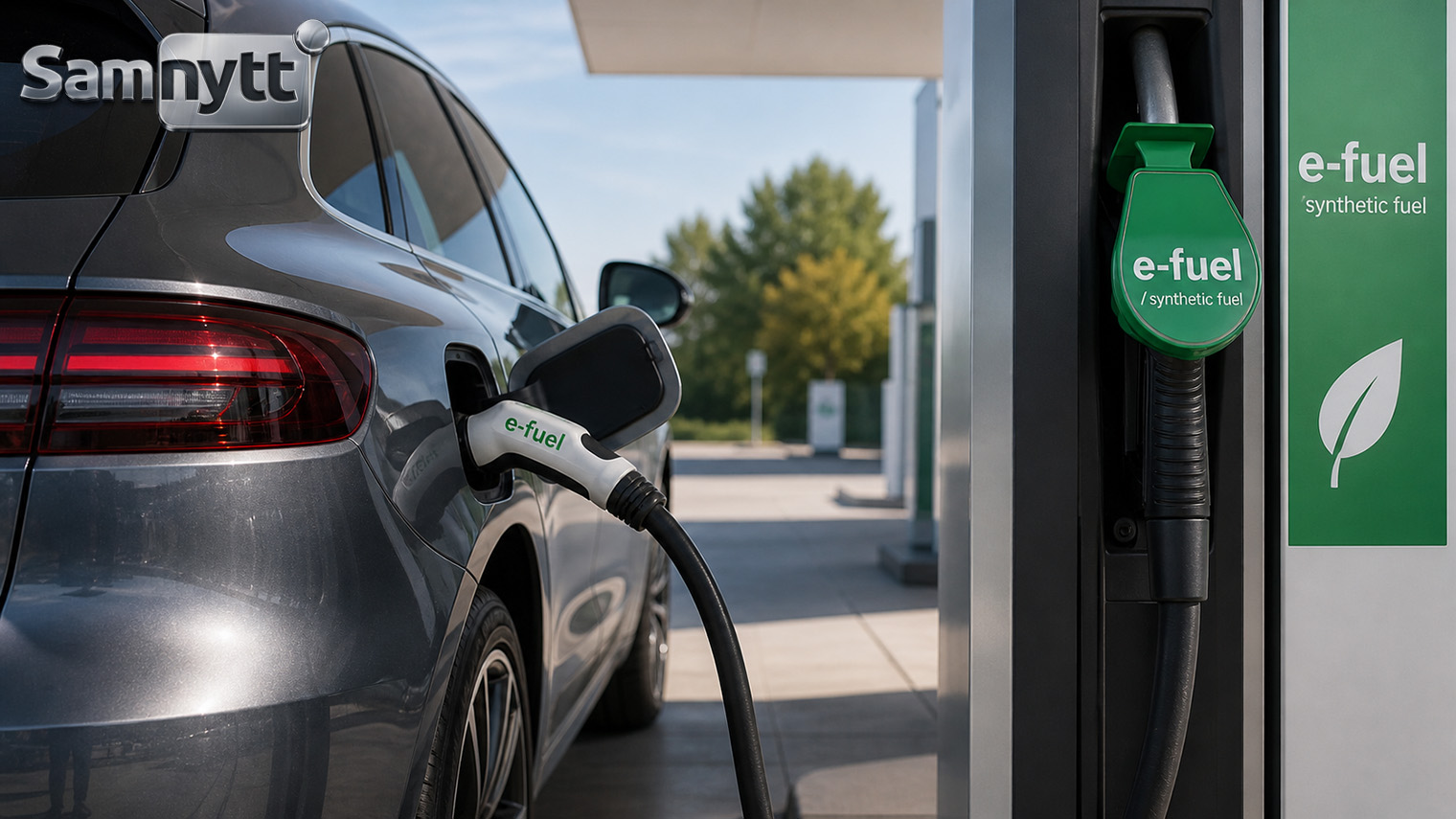
Motorists have previously been told that the combustion engine can be saved with new, greener fuels. First came ethanol and flexifuel cars. Now e-fuels are being pointed out as the next solution. But a new report warns of sky-high prices at the pump – and evokes memories of a Swedish fuel experiment that lost momentum as quickly as it came.
E-fuels are often touted as a way to keep today’s petrol and diesel cars running even as emission standards tighten. The idea is enticing – keep the combustion engine, use existing gas stations, and just change what’s in the tank.
SEE ALSO: Volvo executive predicts bright future for combustion engines
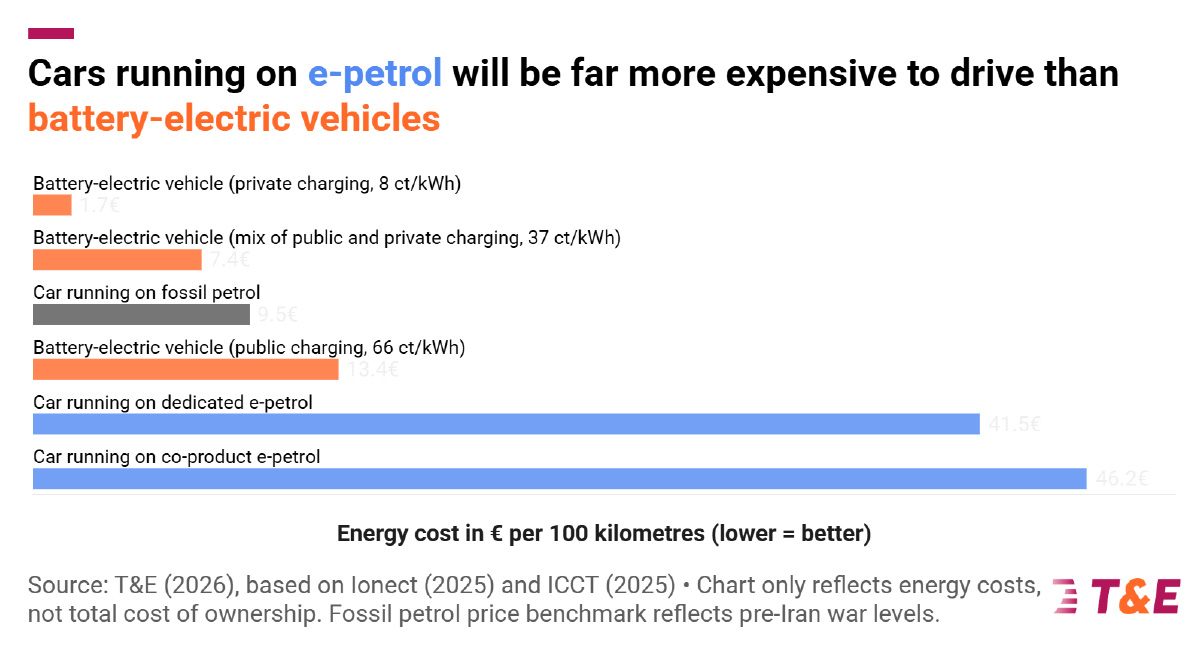
But according to a new analysis from the consultancy Ionect, commissioned by the European transport organization Transport & Environment (T&E), reality may turn out to be far less attractive for car owners. The report estimates that synthetic petrol – so-called e-petrol – could cost around 4 euros per liter to produce in 2030.
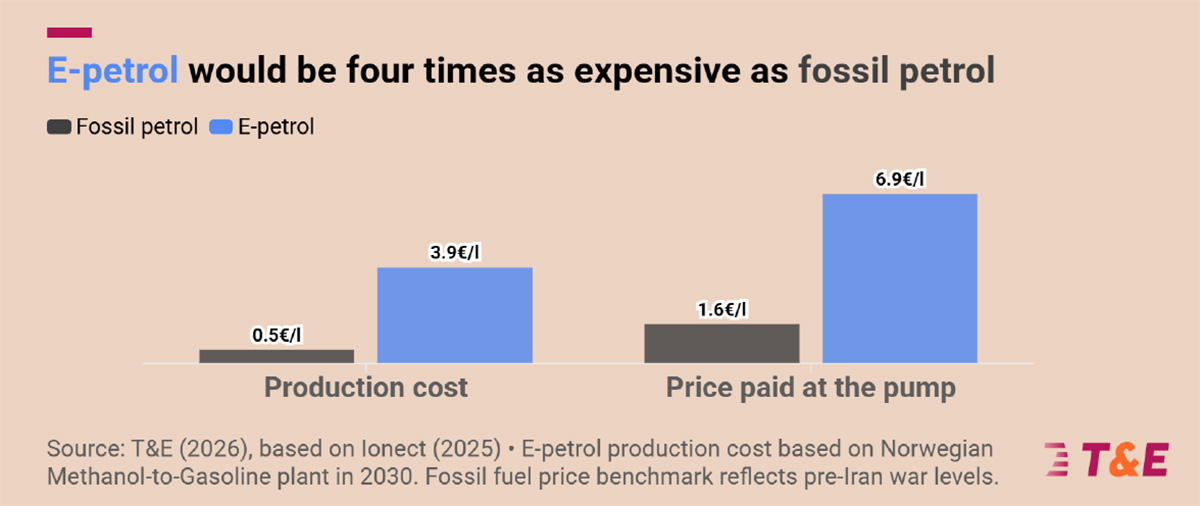
When taxes, VAT, and margins are added, this translates to about 7 euros per liter at the pump, or around 75 kronor at today’s exchange rate. That’s several times higher than today’s fossil petrol.
What are e-fuels?
E-fuels, or electrofuels, are synthetic fuels made using electricity. Simply put, electricity is used to produce hydrogen via electrolysis. The hydrogen is then combined with captured carbon dioxide to create liquid fuels that can resemble petrol, diesel, or jet fuel.
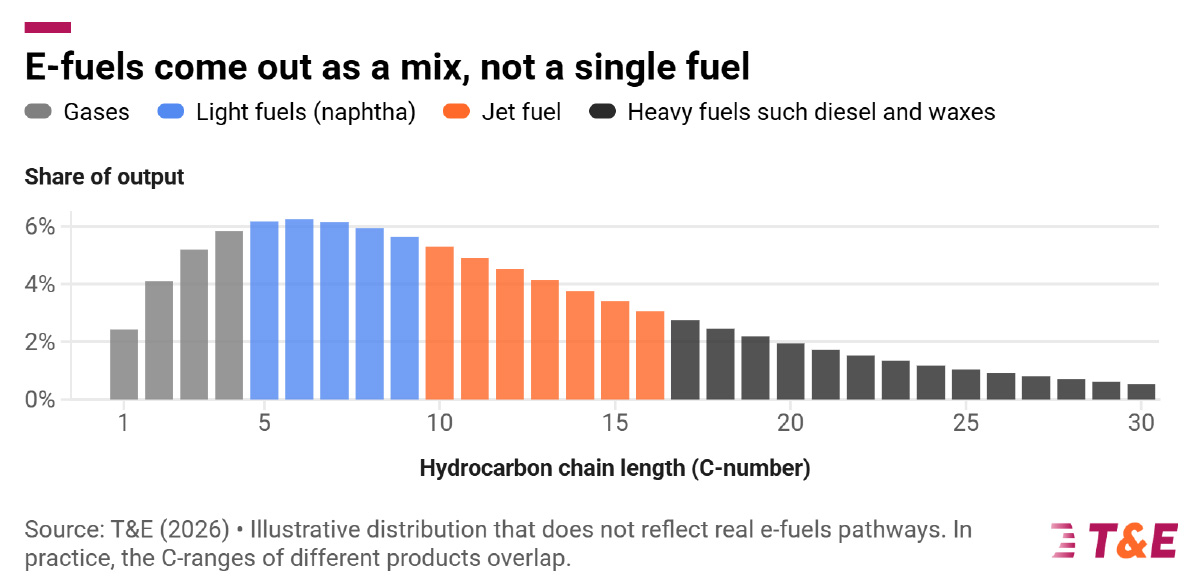
If the electricity is fossil-free and the carbon dioxide comes from the air or biogenic sources, the climate impact can theoretically be low over the whole life cycle.
SEE ALSO: STUDY: Gasoline cars cheaper to maintain than electric cars
The advantage is that the fuel can be used in many existing engines. The disadvantage is that the process requires large amounts of energy. The efficiency is only about 10 percent.
Expensive even in the long term
The new report argues that e-fuels will not only be expensive in the near future, but are likely to remain costly for a long time. For a plant commissioned in 2045, the production cost is still estimated to be around 3 euros per liter, resulting in a pump price of over 5 euros per liter.
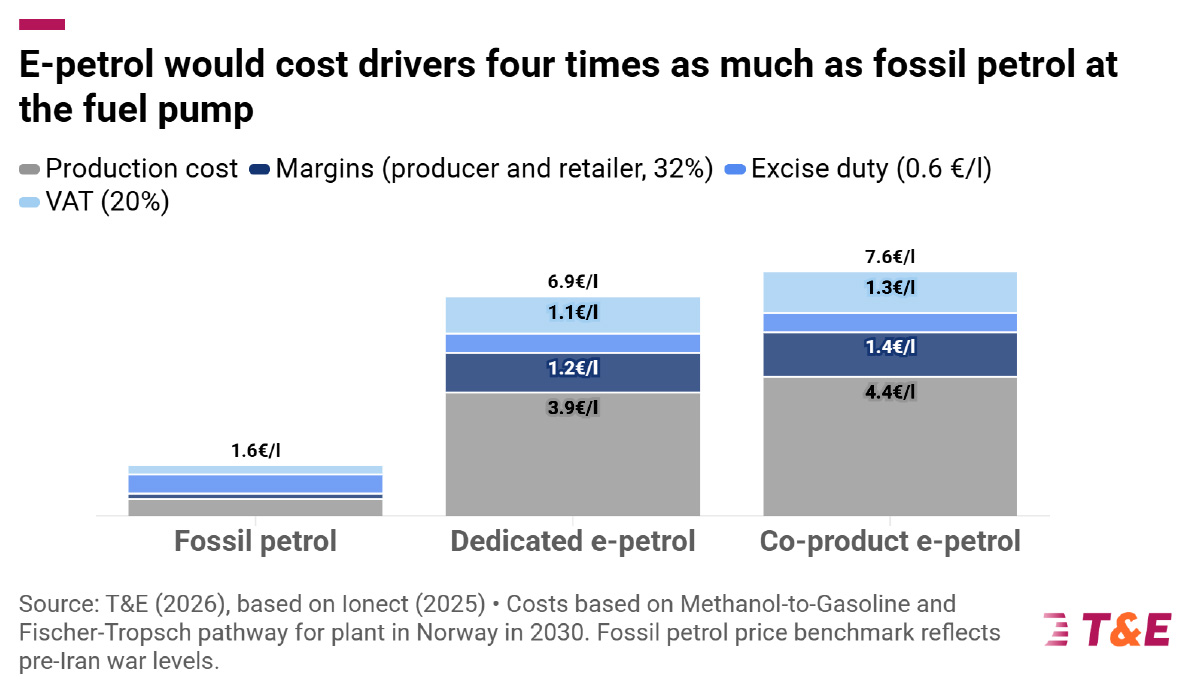
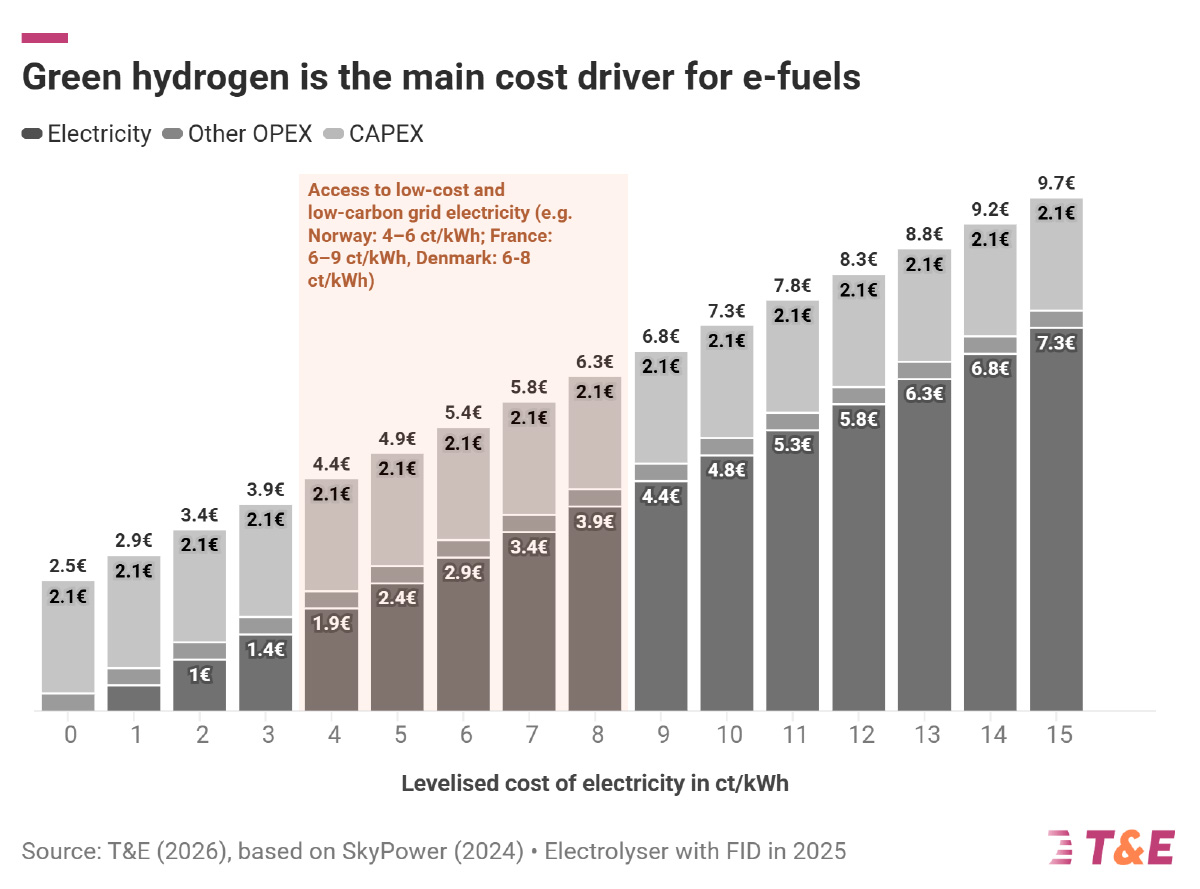
According to the report’s authors, the main problem is the cost of green hydrogen and the high energy consumption in the production chain. Continuing to use fossil fuels remains the cheapest option, but even driving an electric car is more cost-effective – not counting the fact that drivers with combustion engines would need to change vehicles.
Aiming to save the combustion engine
Despite the criticism, there are strong proponents. Particularly some car manufacturers, motorsport players and suppliers see e-fuels as an opportunity to prolong the life of the combustion engine.
SEE ALSO: Toyota boss: Combustion engines are not the enemy
Porsche has long profiled itself on the issue and invested in pilot projects in Chile. The reasoning is that enthusiast cars, sports cars, and the existing fleet could continue to live on with lower climate impact.
Others point out that aviation and shipping may need similar fuels where batteries are harder to implement. It is also in these sectors that many experts believe e-fuels will play their most important role – not in ordinary passenger cars.
Sweden has been here before
For Swedish motorists, the discussion brings back memories from the mid-2000s, when ethanol was seen as the future’s saviour. Between about 2005 and 2012, the E85 market grew rapidly.
Politicians introduced tax breaks, green car bonuses, and other incentives. Municipalities bought ethanol cars. Company car drivers were incentivized. E85 pumps were installed at stations.
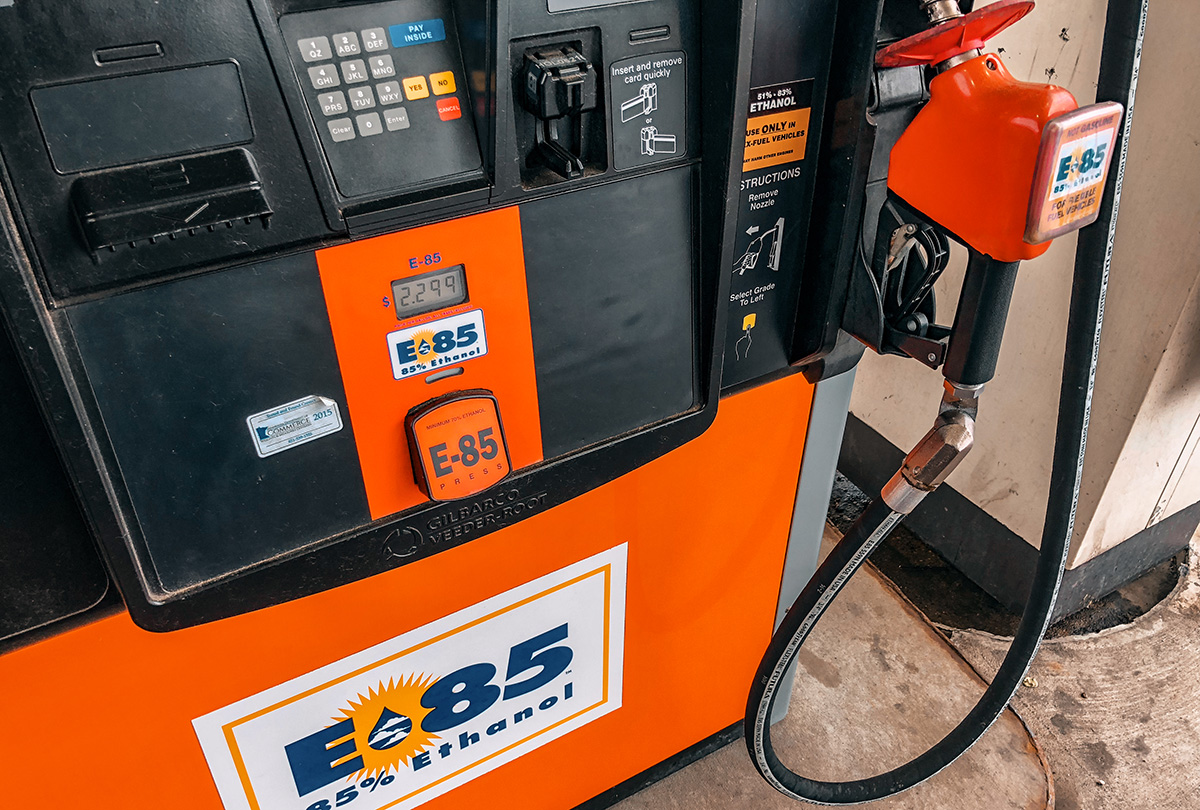
Car manufacturers responded with Flexifuel or BioPower models – Saab 9-3 and 9-5 BioPower, Volvo V50, V70 and several other Flexifuel models, Ford Focus Flexifuel and models from Peugeot, Renault and other brands. For a few years, Sweden was one of Europe’s strongest ethanol countries.
Why the ethanol boom collapsed
But the success was short-lived. Several factors contributed to ethanol losing momentum.
Higher consumption than expected: Ethanol contains less energy than petrol. Many car owners found their vehicles used more fuel on E85, erasing the price difference at the pump.
The price advantage vanished: When ethanol prices rose or petrol prices fell, the calculation got worse. Many then filled their flexifuel cars with regular petrol.
Practical problems: Some older models developed a reputation for being hard to start in winter or needing more frequent servicing.
The diesel wave took over: At the same time, modern diesel cars became hugely popular, offering low consumption and lower carbon dioxide emissions on paper.
Fierce environmental criticism: The most serious blow to confidence came when debate about raw materials ramped up. Ethanol from corn, wheat, or sugarcane was criticized for competing with food production and altering land use.
Biofuels were often linked in the debate to deforestation, rainforest destruction, and the expansion of farming into sensitive areas – directly or indirectly. This quickly diminished their green appeal.
E-fuels aren’t Ethanol 2.0
Technically, there’s a big difference between yesterday’s E85 and today’s/future e-fuels. Ethanol is a biogenic alcohol fuel, usually from crops or by-products. E-fuels are synthetic hydrocarbons produced using electricity, hydrogen, and carbon dioxide.
This means that today’s e-fuels can theoretically better mimic regular petrol or diesel and work in existing engines without the same kind of adaptations. But there is a clear similarity – both have been marketed as a chance to cut emissions without giving up combustion engines.
The big question: Who will pay?
This is where the new report hits hardest. If prices really land around 75 kronor per litre, e-fuels will be hard to sell to ordinary motorists. Then it comes down to niche uses – exclusive sports cars, classic collector vehicles, or sectors where there are few alternatives.
SEE ALSO: Researchers: No demonstrable emission reductions with electric cars
For the broad mass market, much points to fossil fuels remaining the cheapest to fill up, possibly competing with electric cars, easier to justify economically, and therefore the main options – depending on what policymakers decide.
History haunts
Sweden has already seen how quickly a hyped alternative fuel can go from promise of the future to a footnote. Ethanol cars were supposed to change the market, but disappeared almost as quickly as they came.
Now, the same fundamental question is being asked again. Are e-fuels the next big breakthrough – or yet another expensive effort to save a technology the market is already leaving behind?