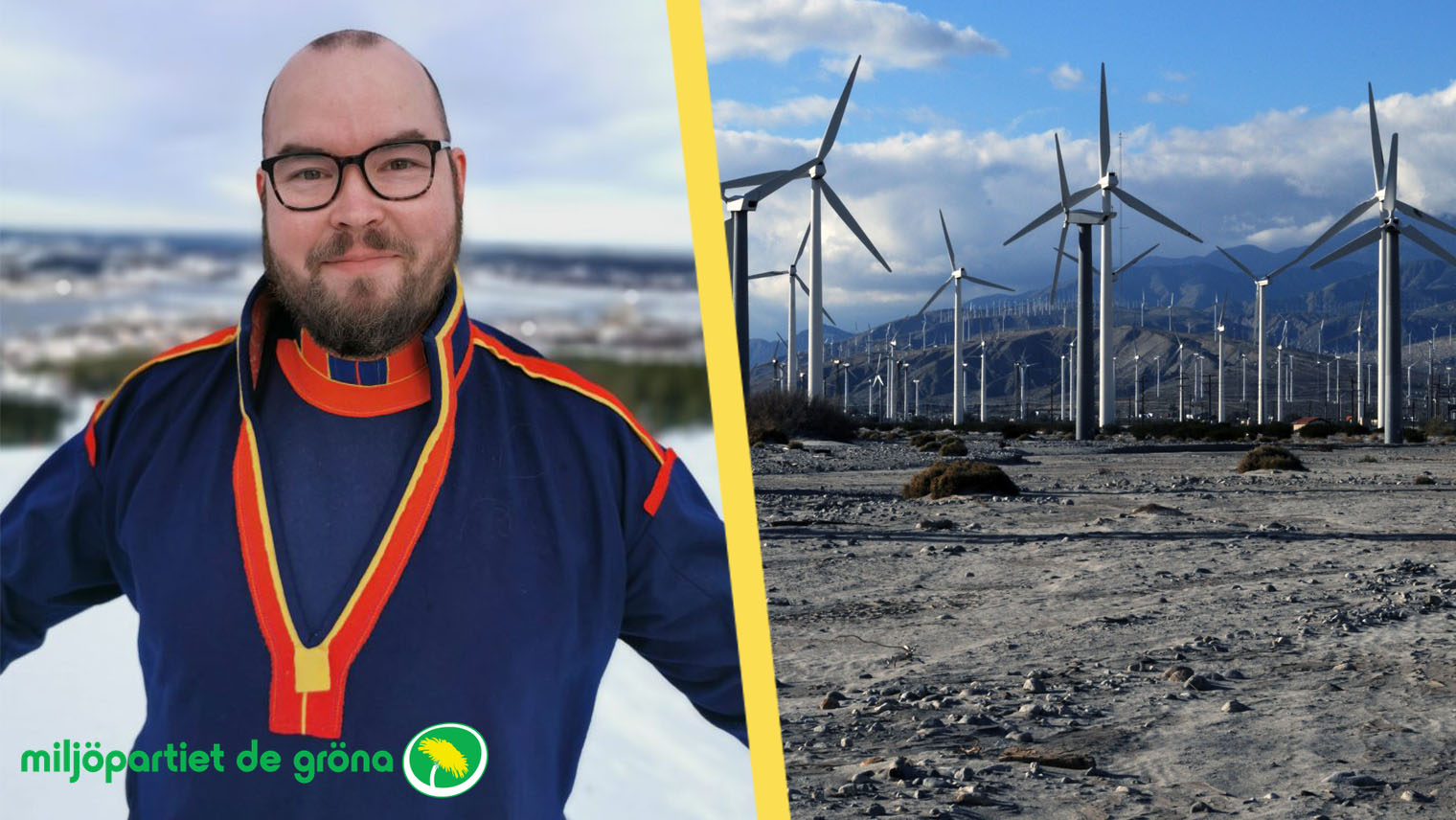
The Green Party is nationally profiling itself as one of the strongest advocates for wind power. But in Gällivare, the party – together with the Social Democrats – has now changed its stance and is considering using its veto to stop one of the country’s largest wind power projects. When local interests clash with climate policy, the enthusiasm seems to cool.
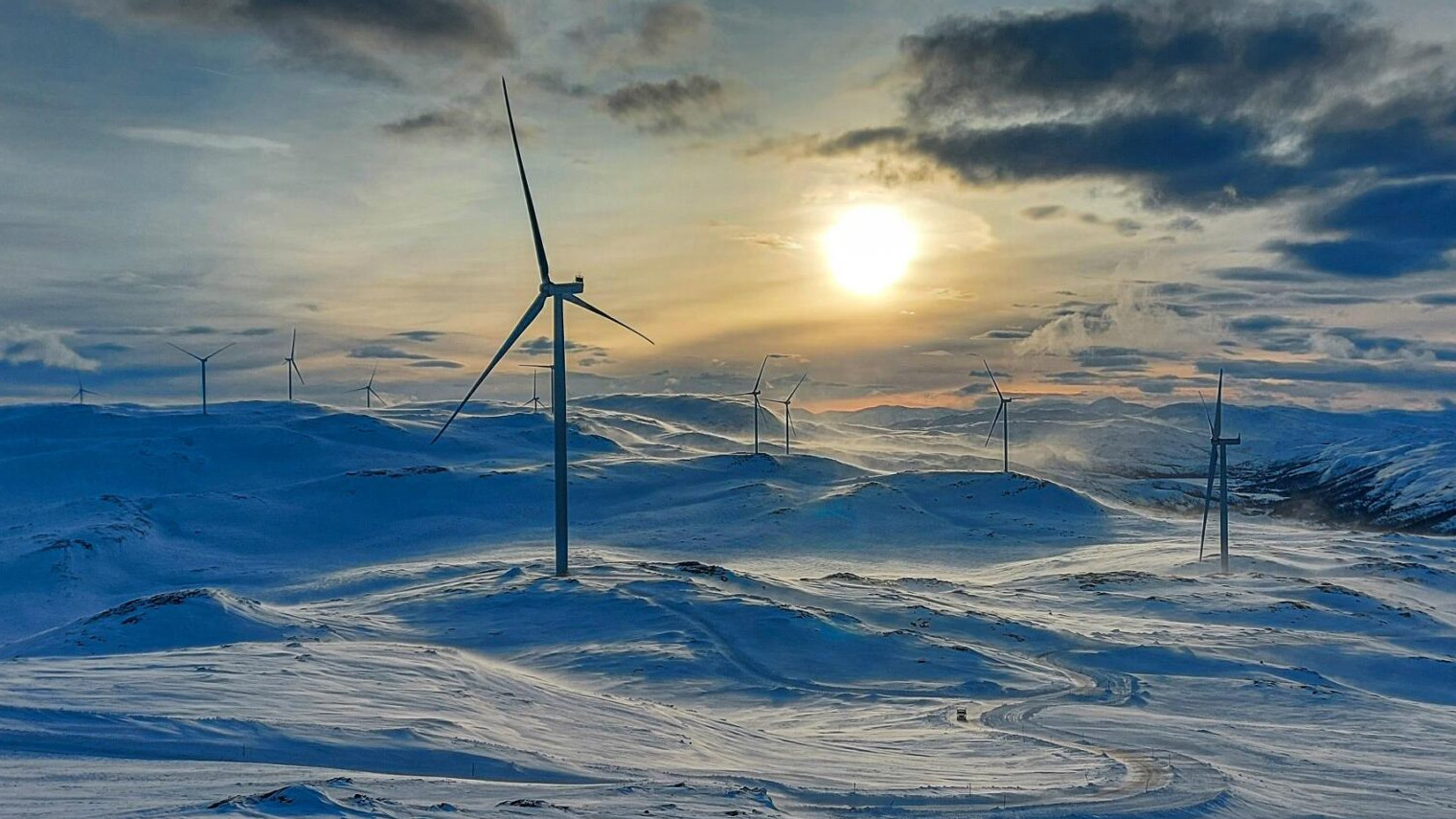
Opposition to Vattenfall’s planned wind farm in Storlandet has grown strong in Gällivare. The project encompasses up to 300–375 wind turbines in a large forested area in the southern part of the municipality.
The Green Party in Gällivare recently announced its clear standpoint:
“Our members have spoken! Yesterday, the members unanimously decided to say no to the application for wind power development in Storlandet.”
ALSO READ: The Green Party’s solution to the electricity crisis: Build MORE wind turbines
The party points out that the municipality is already heavily burdened by mining and hydropower, arguing that further exploitation risks harming natural values, outdoor recreation, and local industries.
ALSO READ: Märta Stenevi (Green Party) wants to quadruple wind power – but not in her own backyard
The Social Democrats and several other parties in the municipality also share this criticism. According to reports from Sveriges Television, there is broad political consensus to say no – even if the arguments differ.
Want to Use Municipal Veto
The question has now reached the government level, but if it is handed back to the municipality, the message is clear – then it could be stopped.
Paulus Kuoljok (Green Party), municipal council member, explains his party’s position in an interview with Sveriges Radio.
– We have said that if the project goes forward in this form, a veto is a reasonable tool. When an area is so heavily burdened, the municipality must be able to stop it when the cumulative impact becomes too great.
Several Rounds Concerning the Right of Veto
The municipal veto – which gives municipalities the right to stop wind power developments – has become an increasingly significant problem for governments of various sorts. Several attempts have been made to reform or abolish it to speed up the expansion of fossil-free electricity.
A government inquiry was launched in 2020 by the then red–green government to eliminate municipal self-determination. However, the resulting proposal was blocked in parliament.
ALSO READ: Expert: Sweden doesn’t need more wind turbines
The Tidö government, supported by the Sweden Democrats, instead launched an incentives inquiry, “The Value of the Wind”, offering a carrot instead of a stick. Like the previous government, it seeks to erode local resistance to wind power, but preferably by offering financial compensation to those affected.
ALSO READ: Wind power proceeds slowly – now Swedes are to be bribed to accept the turbines
The municipal right of veto has been by far the biggest brake for wind power advocates to realize their plans. Between 2021 and 2025, a clear majority – between 60 and 90 percent – of all wind power projects were stopped in this way.
Dual Roles Raise Questions
A central figure in the Gällivare issue is Paulus Kuoljok. He is not only a local Green Party politician and municipal council member but also vice chair of the Sami Parliament.
The Sami Parliament has opposed the wind power project citing the reindeer herding industry – a position also shared by Gällivare Forest Sami Village. Critics argue that Kuoljok thus has a double role in a matter where interests are in conflict.
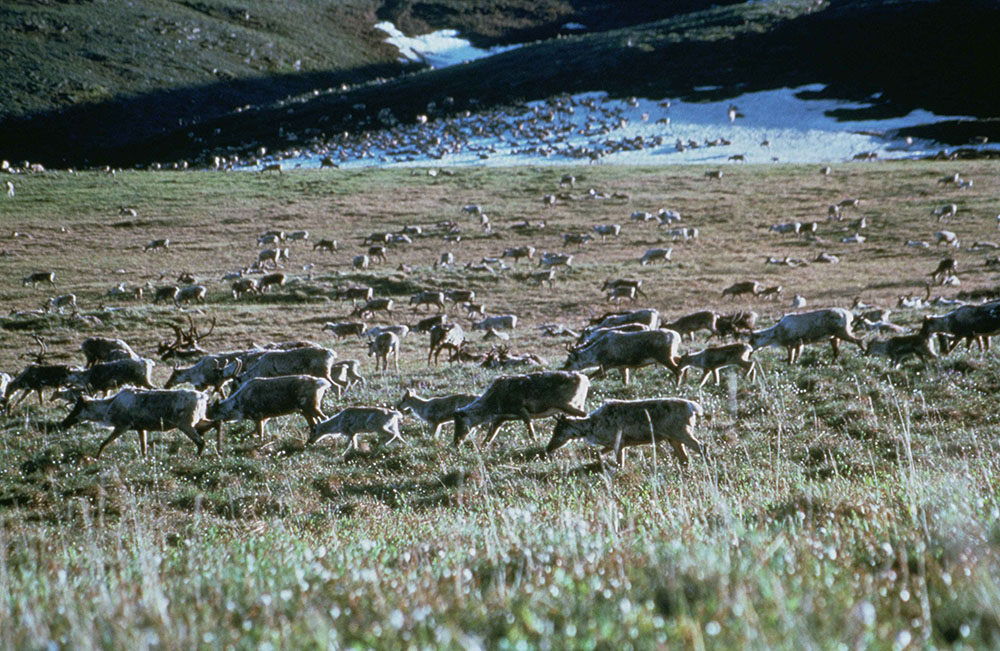
Reindeer husbandry is claimed to be affected by large, continuous wind farms, not least through disturbances in grazing areas and migration routes.
Gällivare Forest Sami Village practices year-round reindeer herding across an area of more than 8,000 square kilometers – an area larger than the entire Stockholm county.
Local Arguments Against Wind Power
The opposition in Gällivare follows a pattern that has become increasingly common in Sweden. Even where there is general support for climate transition, protests arise when projects become concrete locally.
Common objections relate to noise and visual disturbances from large wind turbines, significant land encroachment into relatively unspoiled nature, impacts on tourism and nature experiences, risks of falling property values, and restrictions for outdoor recreation and local industries.
The Green Party in Gällivare itself highlights several of these aspects: “The wind farm would also limit local residents’ opportunities for outdoor recreation, reindeer husbandry conditions as well as the development of tourism,” it writes.
See Samnytt’s Wind Power Documentary
If you haven’t already, feel free to watch Samnytt’s three-part wind power documentary, where we take a broad and critically investigative look at the effects of the green energy transition.