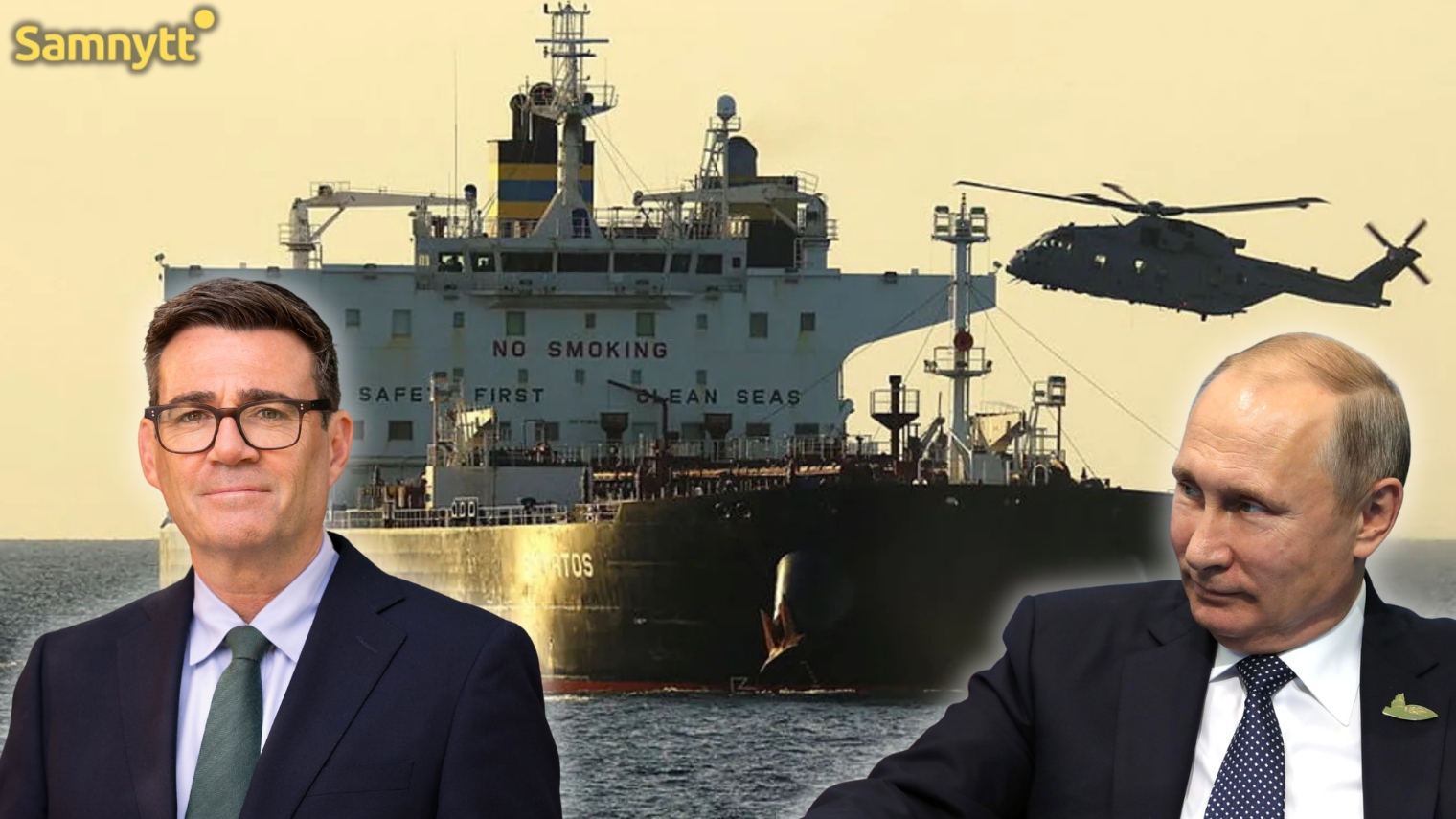
The UK is under pressure to reestablish direct military contact with Russia after a series of increasingly tense maritime incidents. At the same time, Russia has made it clear that it believes the British government must take the first step, while Russian President Vladimir Putin warns that Russia will respond by doing as the West has and begin to detain British vessels.
The background includes the growing conflict over Russia’s so-called shadow fleet, which NATO countries accuse Russia of using to circumvent sanctions on Russian oil exports during the ongoing war in Ukraine.
The UK and Russia have not maintained direct contact between their top military chiefs since September 2022. Back then, the former UK Chief of the Defence Staff, Tony Radakin, spoke with Russia’s Chief of the General Staff, Valery Gerasimov, after a serious incident over the Black Sea where a Russian fighter jet targeted a British reconnaissance plane.
Similar incidents have since become frequent. Below is a video from earlier this year over the Black Sea, where a Russian fighter jet got within just six meters of a British reconnaissance aircraft.
According to the UK, it has tried to reestablish contact with Russia, including through the current Chief of Defence, Richard Knighton.
Former British military officials and diplomats now consider the situation so sensitive that a functional direct communications line between the countries is once again needed.
John Foreman, former UK Defense Attaché in Moscow and Kiev, warns that the absence of direct contact increases the risk of an incident escalating in a way neither side intended.
– Without a direct line, there is a risk of unintended escalation. A major misunderstanding could ultimately cost lives, he told The Times.
Foreman believes the UK defense leadership needs to be able to communicate directly with their Russian counterparts, especially given the increased military activity in northern Europe and the seas around Britain.
– You have to speak face-to-face to make any progress with the Russians, he told the British newspaper.
Several incidents in recent months have heightened concerns. In June, a Russian navy vessel fired warning shots at a British yacht in the English Channel.
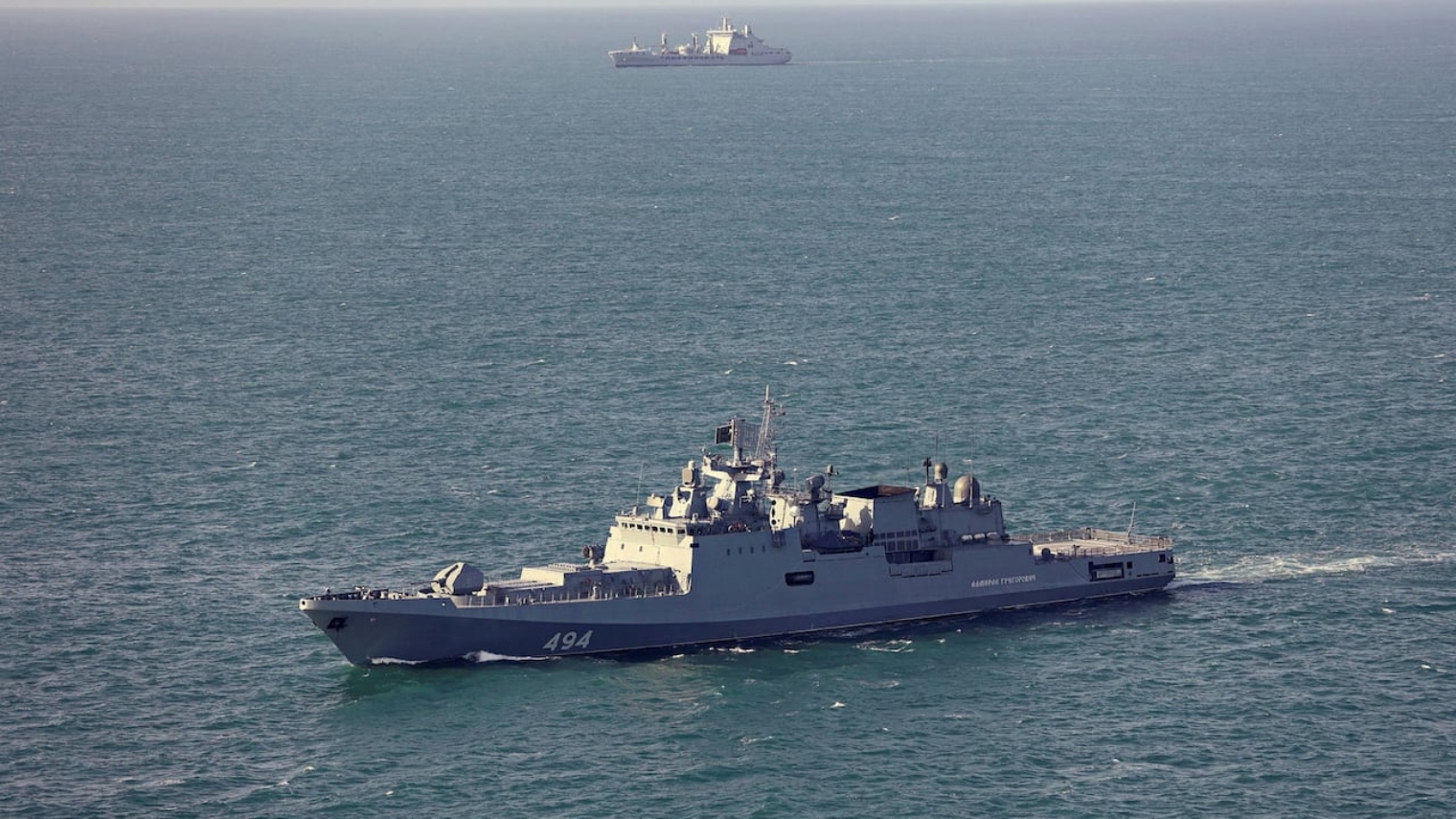
The yacht was en route to northern France when it came close to the Russian frigate Admiral Grigorovich. The British crew then changed course and continued their journey.
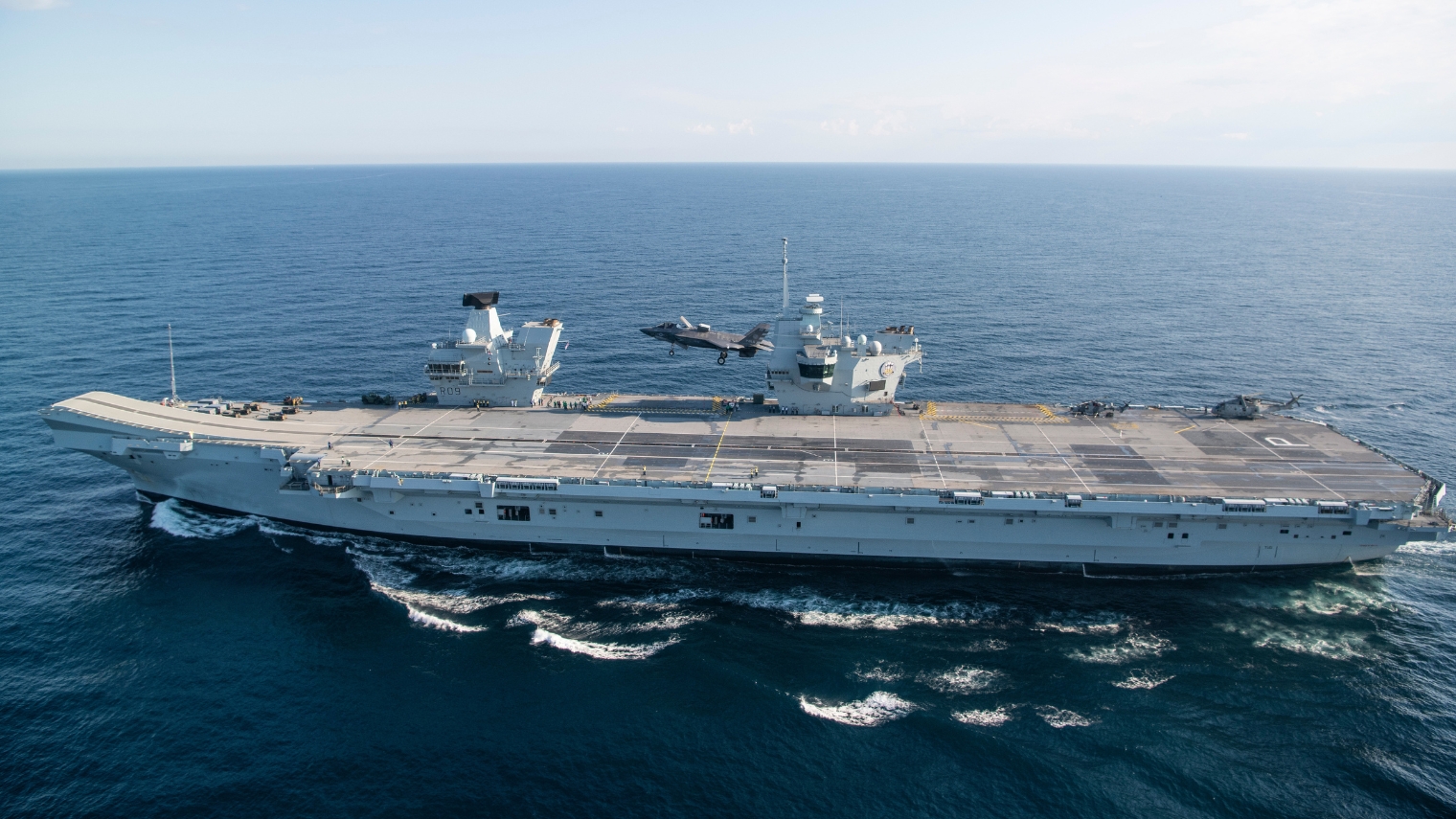
The British Royal Navy carrier HMS Prince of Wales was also involved in an incident. A Russian naval reconnaissance plane repeatedly approached the ship while it was in the Norwegian Sea under NATO command. The UK described this as unsafe and unprofessional, and British F-35 jets were scrambled to intercept the Russian aircraft.
Such incidents do not necessarily result in major conflict. The concern is what could happen if an incident occurs in the absence of functioning communication channels between military leaders.
The British military still has a specific communication line open to the Russian side, intended for quick crisis contact, but it is reportedly used much less than before Russia’s full-scale invasion of Ukraine.
A former senior British military officer also raised the need to reestablish contact with Russia in an interview with The Times.
– You can’t reach a solution without dialogue.
The Shadow Fleet Conflict
Mainly, it is the so-called Russian shadow fleet that has contributed to further escalating already tense maritime relations between Russia and several NATO countries, especially in Europe.
NATO countries accuse Russia of using hundreds of ships to bypass sanctions on the country’s oil exports. These vessels often have unclear ownership, use various flags of convenience, and thus obscure their connection to Russian oil, enabling continued trade with other countries.
The UK Ministry of Defence has estimated that Russia’s shadow fleet comprises more than 700 ships, transporting about 75 percent of Russian oil subject to sanctions. British authorities describe oil revenues as an important source for financing Russia’s war in Ukraine.
READ ALSO: Finnish Security Service: Russia Not Behind Baltic Sea Cable Damage
In recent years, the EU has tightened measures against such vessels. Since 2024, individual ships can be subject to sanctions, and by mid-August 2026, more than 630 vessels were covered by EU actions.
Several European countries have also begun boarding or detaining ships suspected of being tied to the Russian shadow fleet.
READ ALSO: Defence Report: Close the Baltic Sea to Punish Putin Economically
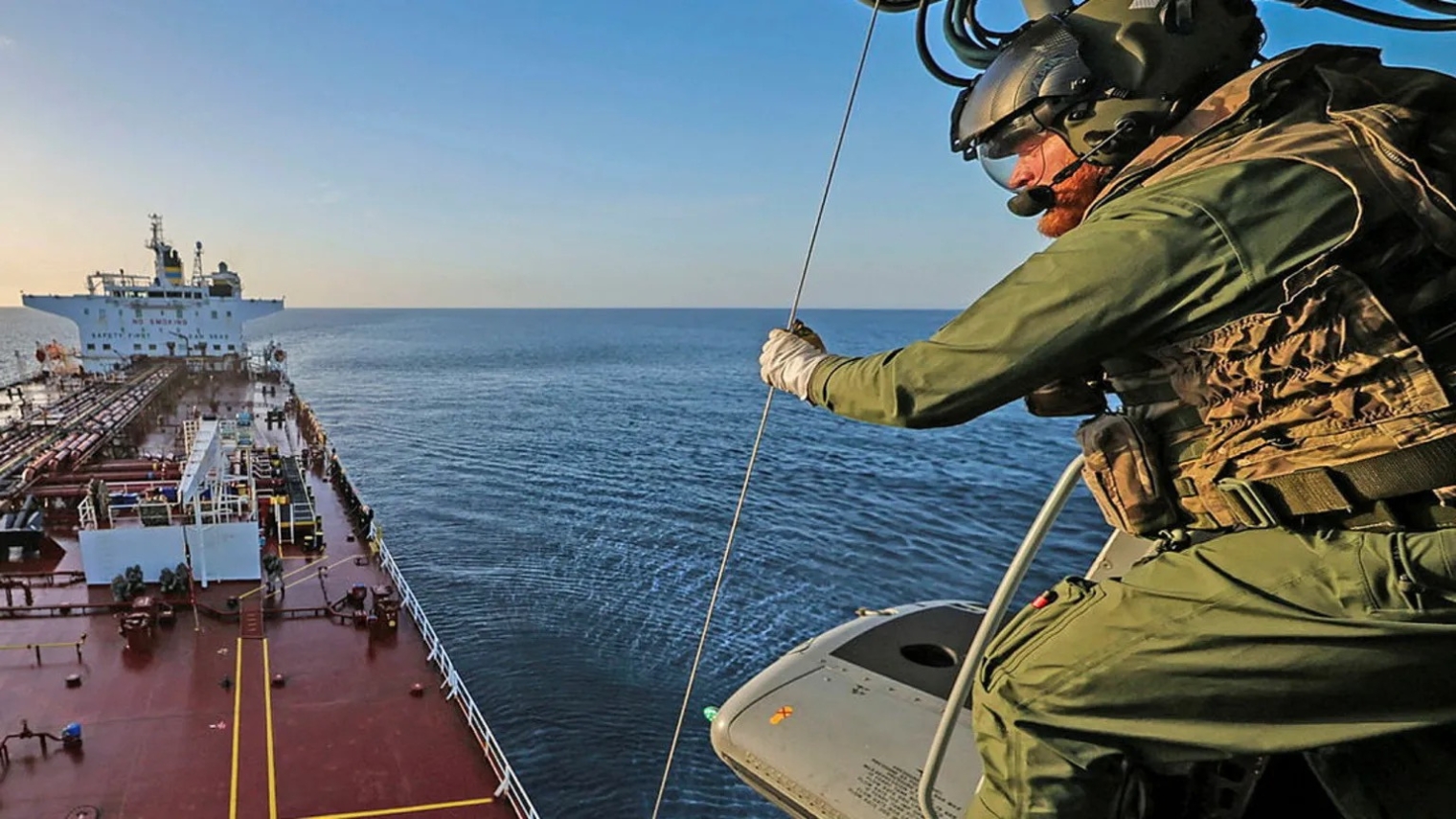
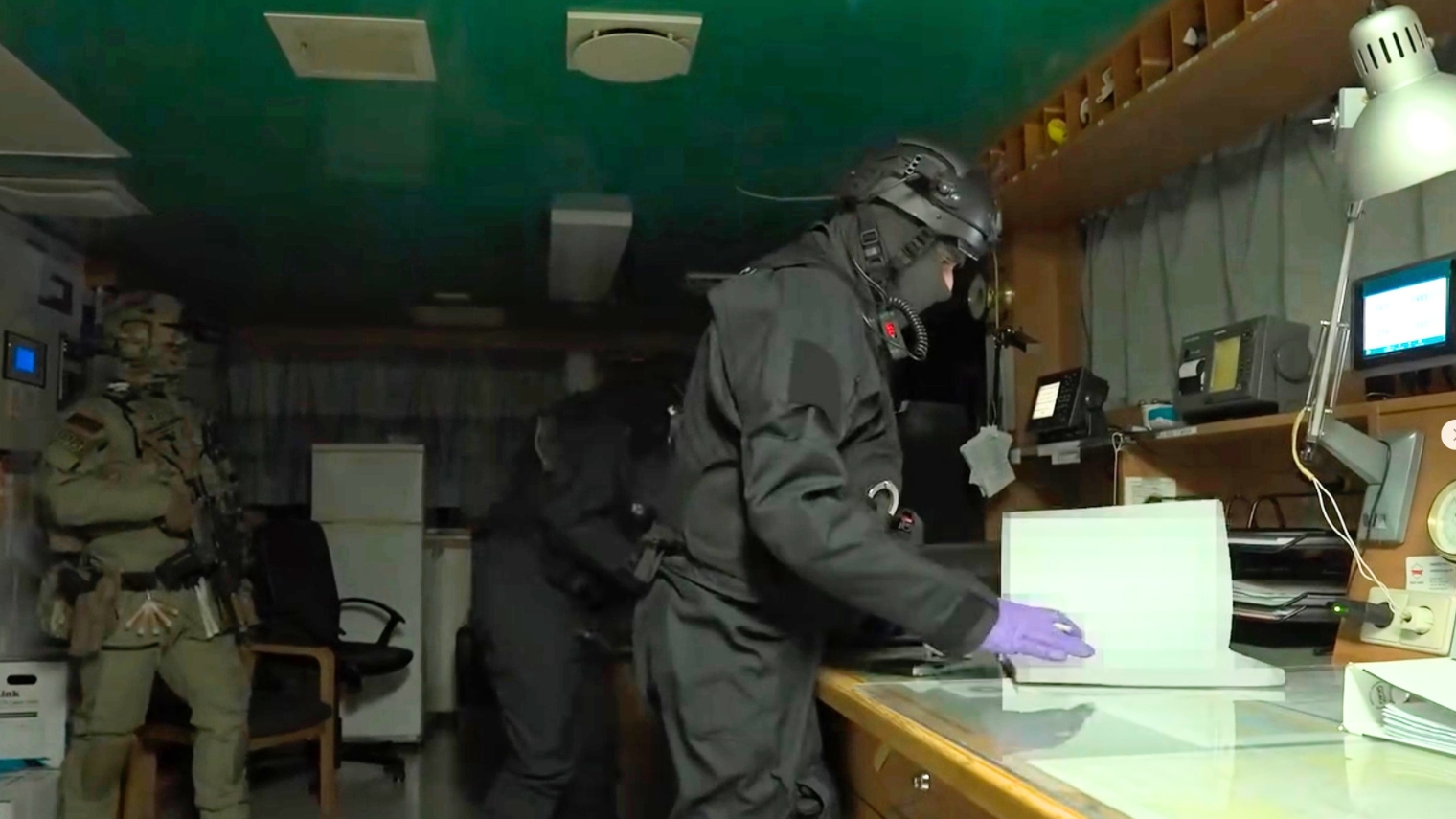
The UK conducted a high-profile operation in June in the English Channel, when Royal Marines boarded the oil tanker Smyrtos. The vessel was suspected of being part of the shadow fleet and remains under UK control.
The UK government has defended the intervention and said it was conducted in accordance with international law.
– The UK disrupts and deters shadow fleet ships and their harmful activities at sea, which finance Russia’s war on Ukraine, a British government spokesman told the BBC.
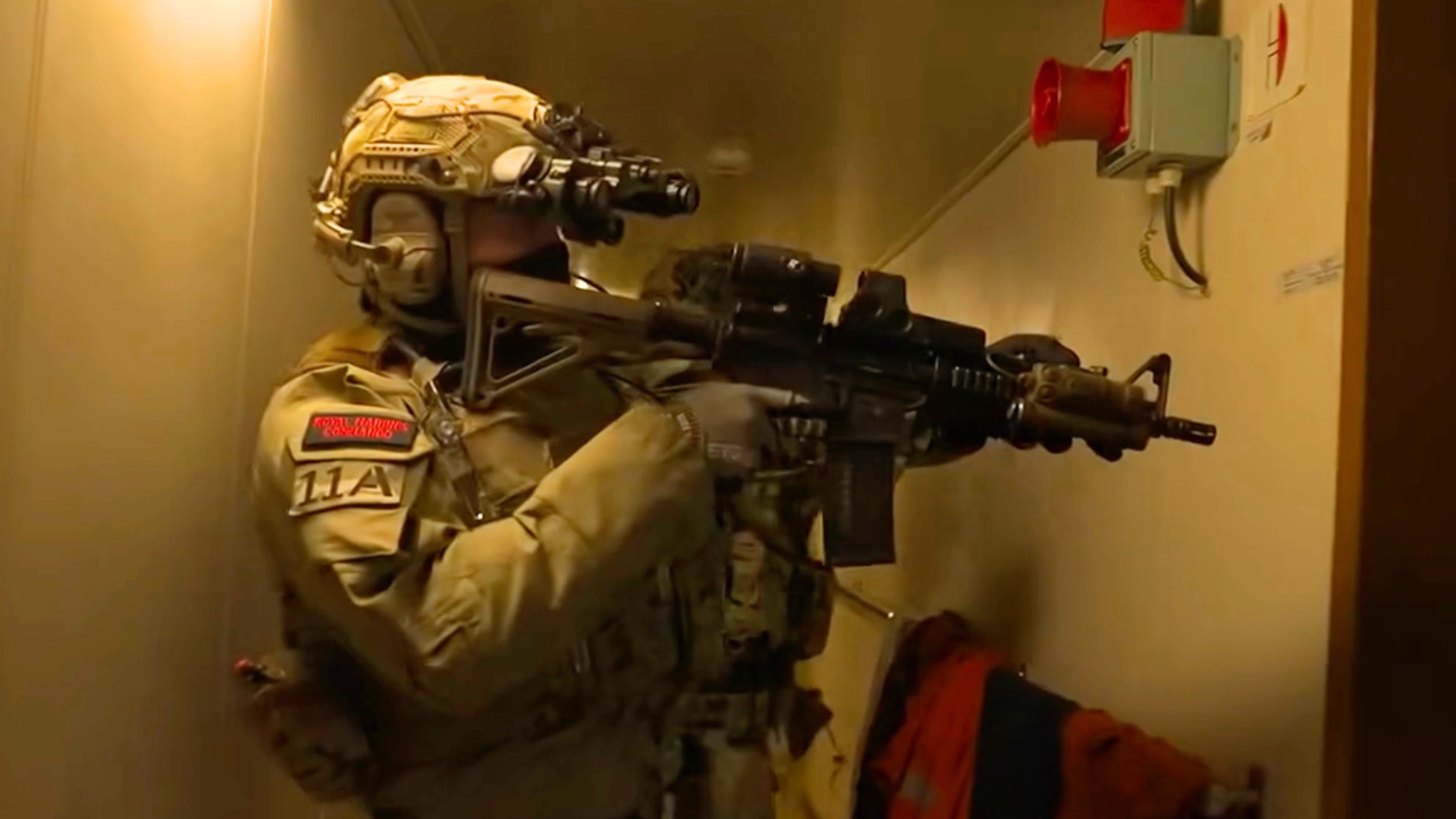
The British government has also emphasized that both military and commercial British ships act in accordance with international maritime law.
Putin: “Piracy”
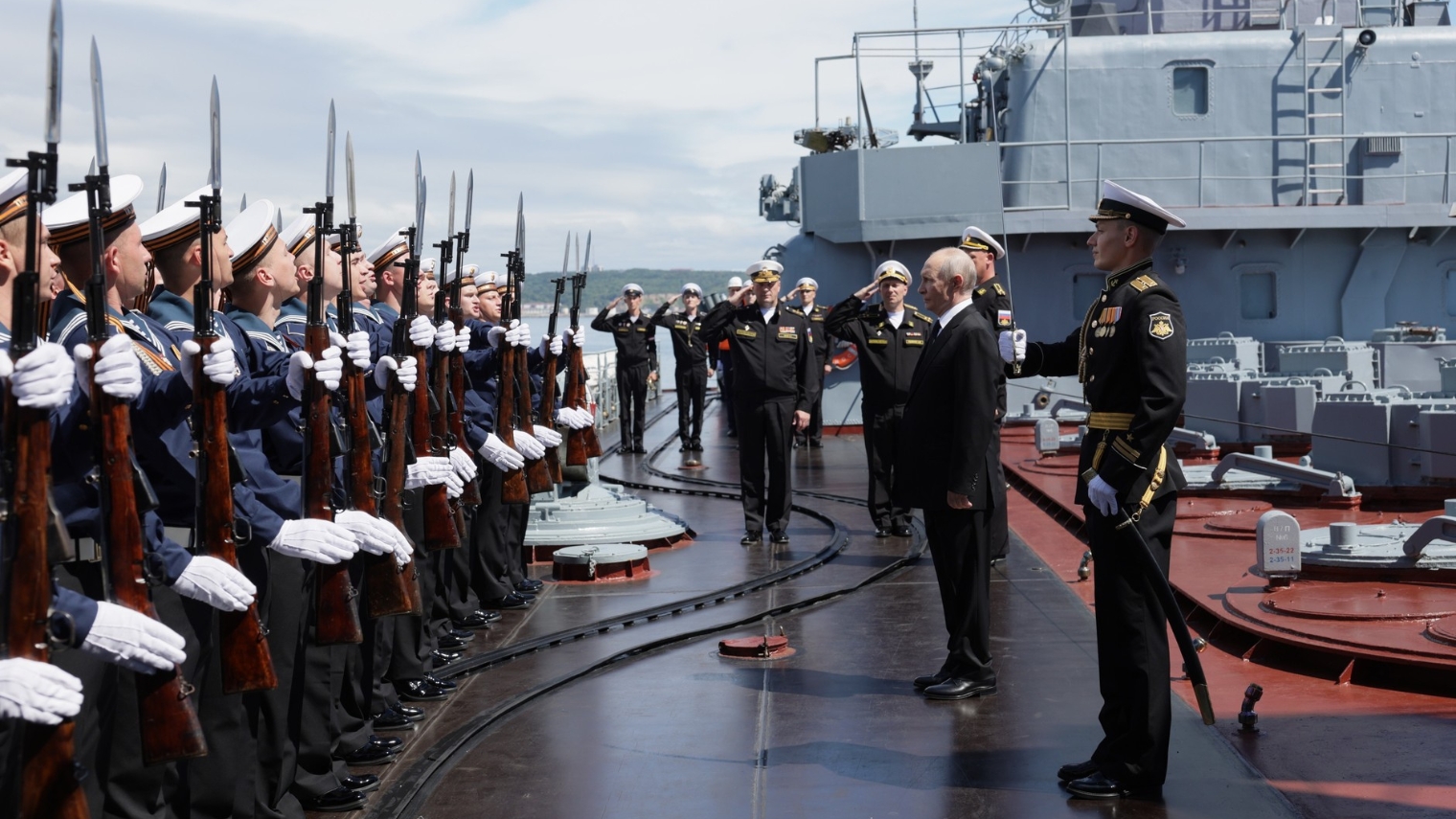
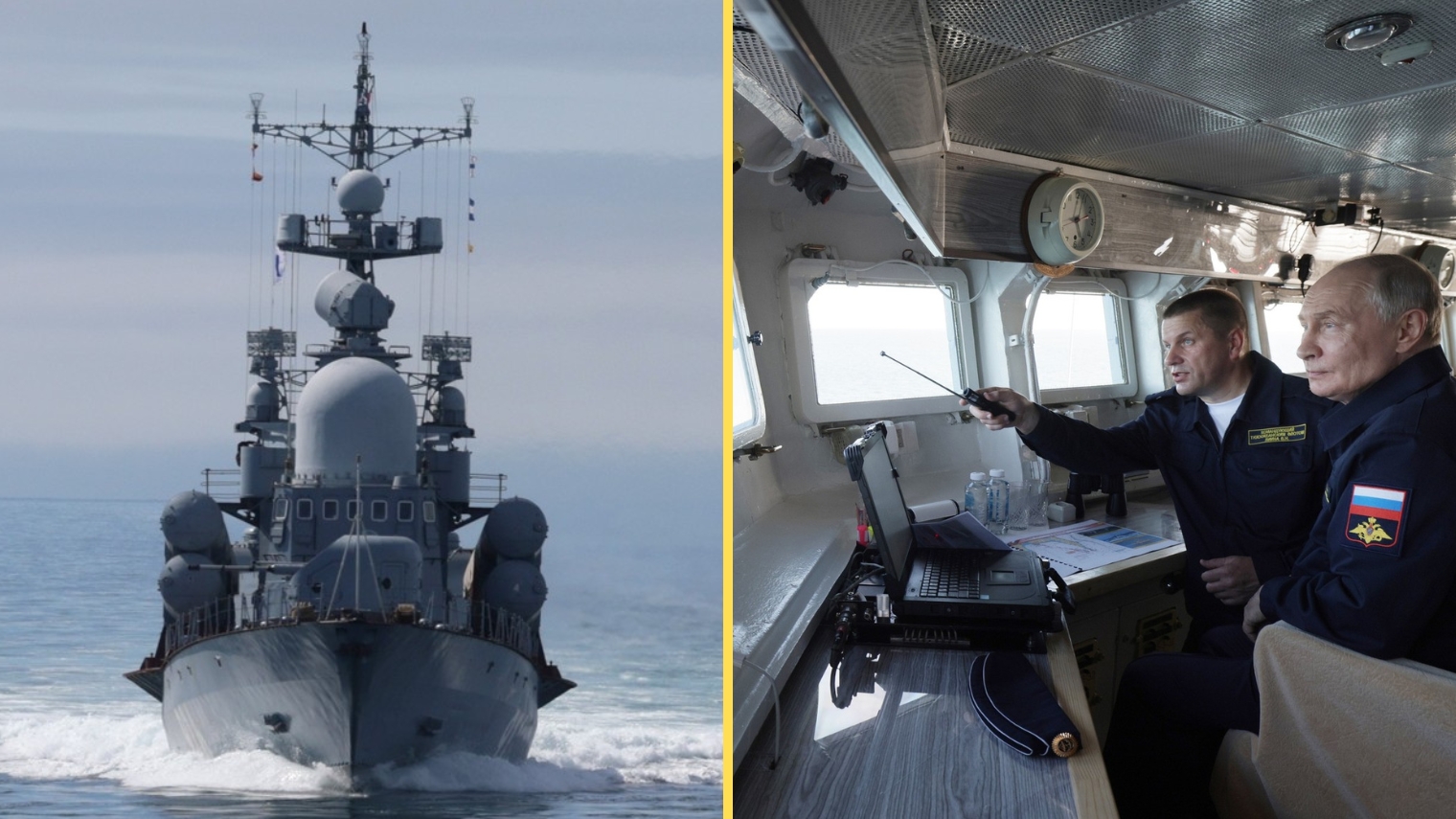
Russian President Vladimir Putin has a different view on the seizure of merchant ships by NATO countries. On August 12, while overseeing a naval drill in eastern Russia, the Russian president accused the West of trying to restrict the movement of Russian vessels.
Putin simultaneously warned of consequences if European countries start seizing Russian merchant ships, according to the British news agency Reuters.
READ ALSO: Zelensky’s New Demand: EU Must Ban Russian Merchant Ships in Baltic Sea
Putin described such moves as “piracy and theft.” He also warned that Russia would respond if the West continued to seize Russian ships.
– Of course, this is nothing but piracy and robbery. And if this starts to happen, we will be forced to respond in kind. And not necessarily in the waters where raids against our ships are planned, but wherever we ourselves deem necessary and appropriate, said Putin according to Reuters.
Russia: The West Does the Same
Russia signals that any Russian response would not necessarily come in the same region where a Russian vessel was intercepted or seized.
SEE VIDEO: Here the US seizes a Russian vessel in the middle of the Atlantic
Viktor Liina, commander of the Russian Pacific Fleet, also criticized the West. The Russian military leader claimed that countries such as Britain and France also use ships under other countries’ flags—a so-called shadow fleet under this logic—according to Reuters.
– Western countries actively use ships sailing under third-country flags to transport goods in their own interests. Essentially, this is their shadow fleet, said Liina according to Reuters.
READ ALSO: Russia Wants to Use Its Fleet Against EU “Pirate Attacks”
The Russian military chief also stated that Russia is capable of acting against ships from countries considered hostile by the Kremlin.
– We have the capacity to inspect and detain vessels belonging to unfriendly states and their shadow fleet. The coordination between the authorities is in place, and we are ready to handle these tasks, he also told Reuters.
Viktor Liina added that the Russian fleet has analyzed maritime traffic in Asia and the Pacific region and has information on routes, cargo, and ownership for vessels connected to NATO countries regarded as hostile.
Russia on EU’s Operations
The Russian foreign ministry accuses the EU of conducting illegal inspections of foreign merchant vessels. The checks are part of the EU’s Operation Irini, which was originally established to enforce the UN arms embargo on Libya, reports Reuters.
Russia refers, among other things, to an operation led by Italy in which a tanker was boarded, while European checks on vessels suspected of helping the Kremlin evade oil sanctions have increased.
– In practice, Operation Irini is used by the EU to intimidate commercial shipping companies and hinder freedom of navigation. There is a clear misuse of existing international legal norms and an overreaching interpretation of its powers, said the Russian ministry of foreign affairs.
Russia simultaneously warned that EU actions could have serious consequences. The EU’s foreign policy spokesperson, Anitta Hipper, has in turn stated that member states will not be intimidated by Russian warnings, reports the BBC.
– For us, it is a priority to limit Russia’s ability to generate revenue to fund its war, including by restricting shadow fleet activities and those who enable it, Hipper told the BBC.
Kremlin: London Must Take the First Step
Meanwhile, another row concerns contact between the countries’ armed forces themselves. When British media reported that the UK was considering reestablishing direct military contacts, the Russian foreign ministry replied that the British must take the initiative.
“It was London who initiated the limitation of dialogue through the defense ministries,” the Turkish news agency Anadolu quoted the Russian foreign ministry as saying in its statement.
Russia points specifically to the UK’s expulsion of the Russian defense attaché in May 2024, arguing that the UK thus destroyed the traditional communication channel between the defense ministries.
“Therefore, it is they who should take the first step to fix things,” Anadolu reported of the Russian statement.
Russia claims that the UK has, on several occasions, signaled interest in resuming contacts but, according to the Kremlin, has not followed up with concrete initiatives.
The British government, meanwhile, offers a different account. According to the UK, it has long sought to reestablish high-level military dialogue, but it is Russia that has rebuffed these efforts.
Contacts Also Broken at Ministerial Level
Contacts between the countries’ defense ministers have also essentially ceased. The last known conversation took place in October 2022, when then-Russian defense minister Sergei Shoigu called his British counterpart Ben Wallace.
The conversation included, among other things, Shoigu’s claim that Ukraine was preparing a so-called dirty bomb, which can spread radioactive material. The UK, France, and the USA dismissed the claim.
Previously, military channels functioned to quickly clarify incidents and reduce the risk of miscalculation. Now, as Russian and Western ships face ever more confrontations, the question of direct contact has returned.
For the UK, it is about reducing the risk that a single maritime incident could escalate into something larger. For Russia, it is also a question of who is responsible for the breakdown in contacts in the first place.
READ ALSO: From Boarded Vessels to Loosened Oil Exemptions – The West’s Mixed Signals on Russian Energy Trade
While Britain is, according to domestic media, now discussing how military communications with Russia could be restored, the conflict over the shadow fleet continues.
Several NATO countries, including Sweden, are stepping up actions against ships suspected of sanction violations, while Russia threatens retaliation. Sweden has already taken concrete steps.
Sweden Goes a Step Further
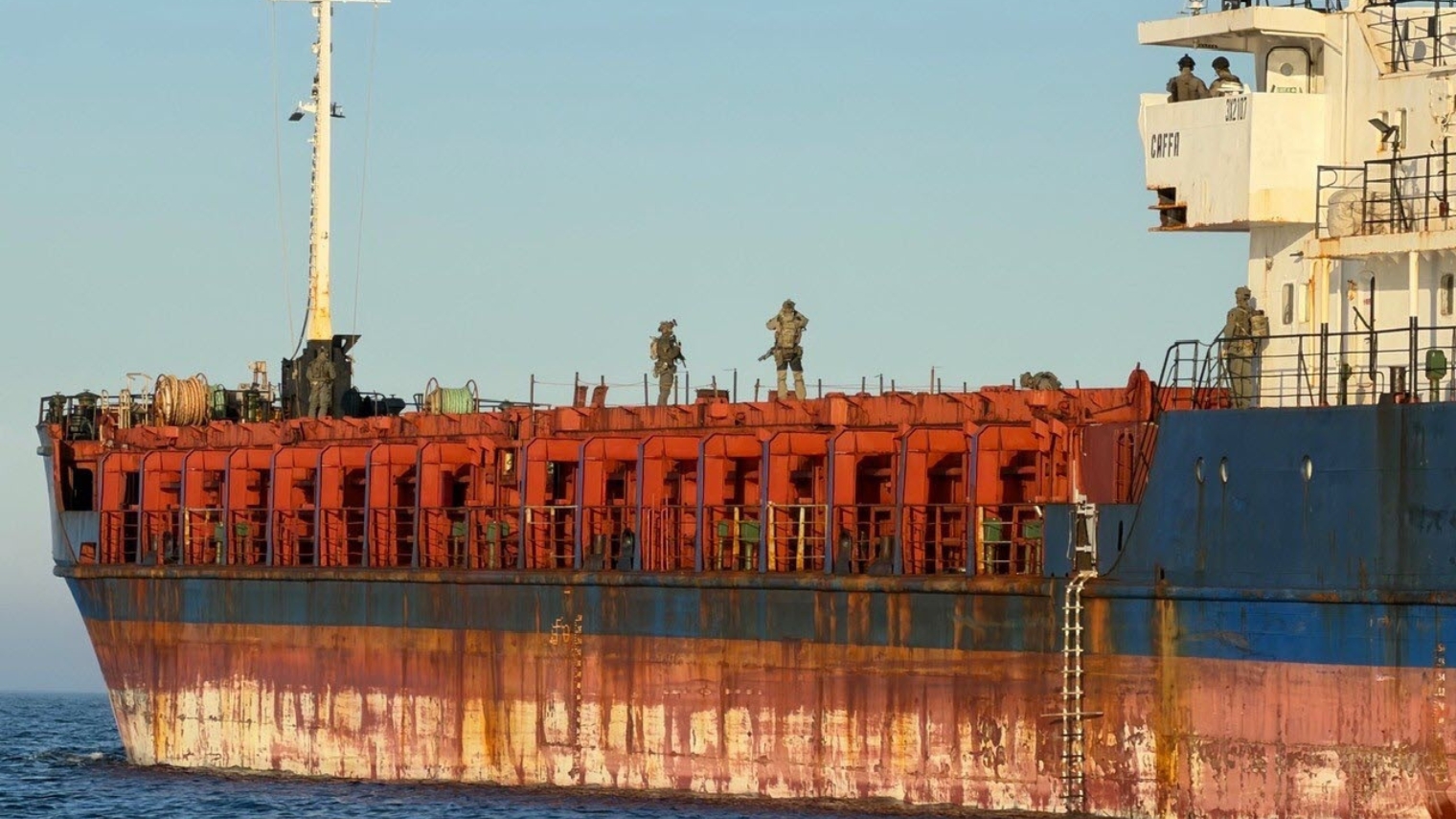
The seized vessel Caffa off Trelleborg is one example. On March 6 this year, the ship was boarded by the National Task Force and Coast Guard in Swedish territorial waters in the Baltic Sea, near Trelleborg. At the time, Caffa was en route from Casablanca to St. Petersburg.
Early in August, it was decided that Caffa will be handed over to Ukraine after the Swedish Supreme Court denied leave to appeal, thereby upholding the lower court’s decision.
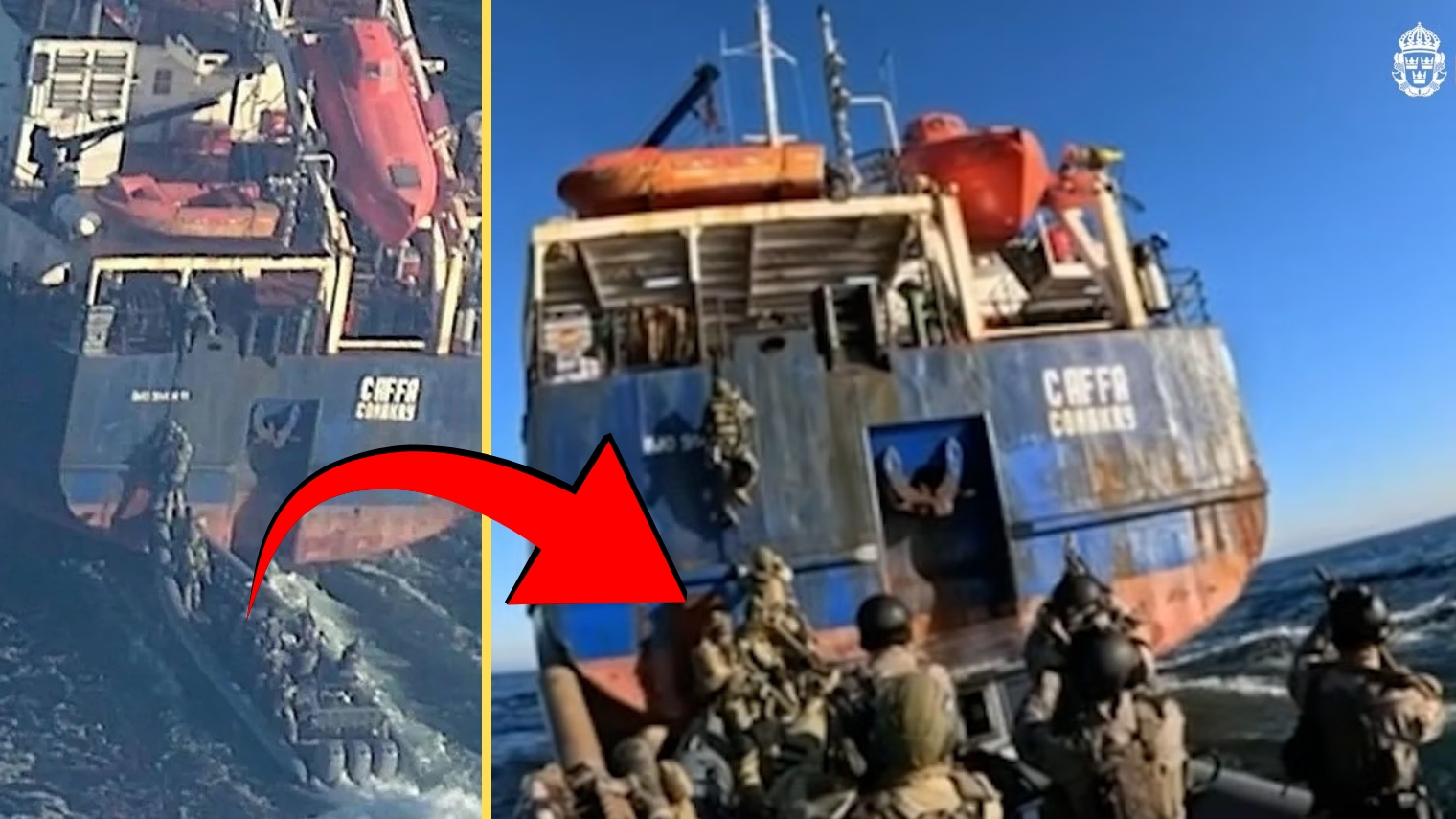
The vessel is linked to a Ukrainian investigation of suspected war crimes and will therefore be handed over to Ukraine.
– We have now been in contact with Ukrainian authorities to plan the practicalities of the ship’s transfer, said Kristian Ljungberg from the Police Authority’s communications department to Trelleborgs Allehanda.
READ ALSO: Government: Sweden Will Be Attacked First in a NATO–Russia War