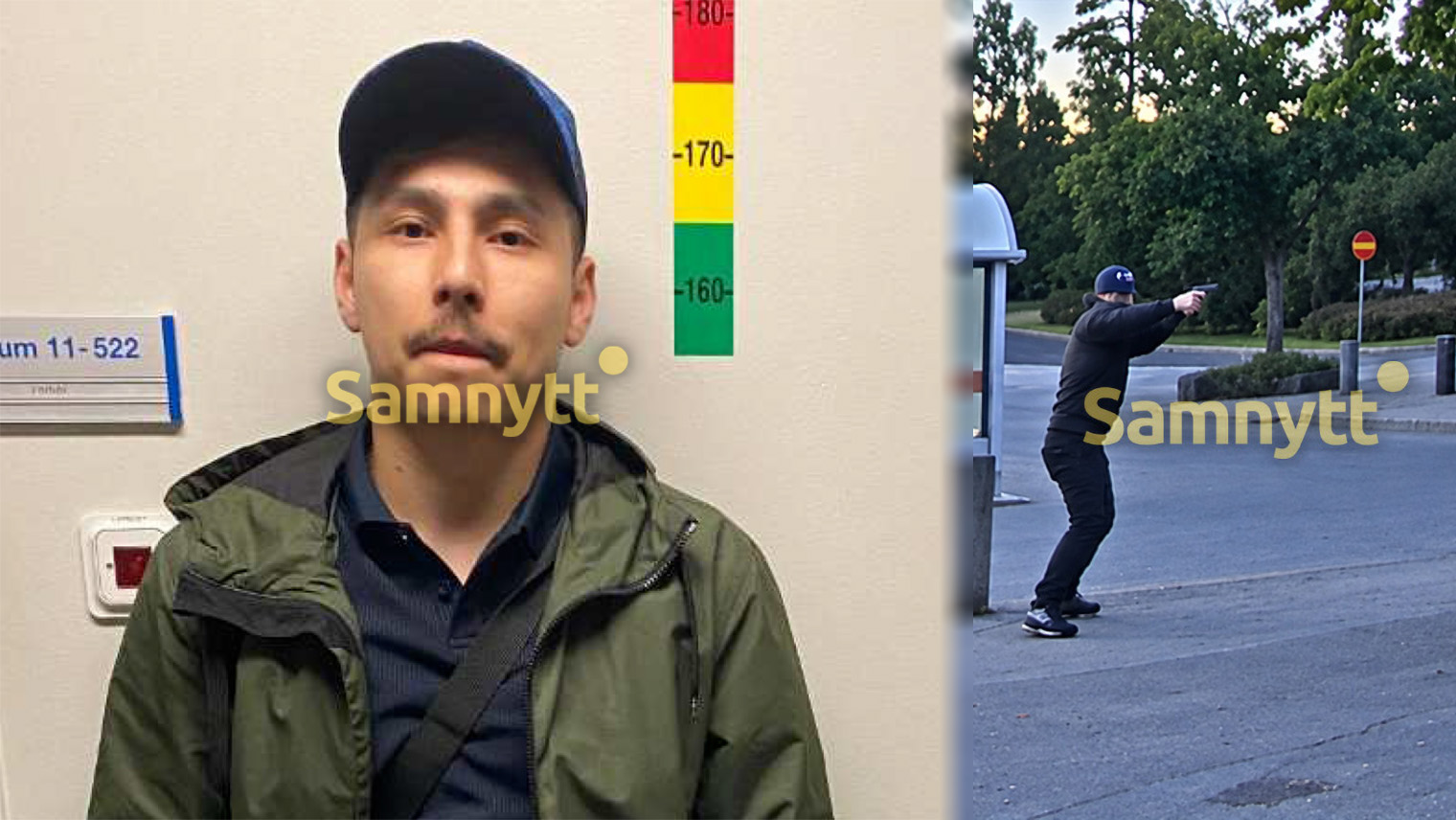
Two teenagers had gone to Sätra center in Gävle to shop just before closing. Outside the store, they encountered a stranger who asked about drugs – seconds later, he pulled out a pistol and fired 13 shots. Now, the 26-year-old Afghan citizen Mattias Ayatullah Rasoli has been sentenced to 16 years in prison and deportation for double attempted murder.
It was on the evening of July 10 when the two friends arrived at Sätra center in Gävle on an electric scooter. It was nearly closing time and they were going to shop at Ica.
Outside the store, a man unknown to them approached. The man was Mattias Ayatullah Rasoli, 26, from Afghanistan but residing in Örebro.
According to his own later account, he had people on the phone following what was happening. He had been instructed to look for young men wearing certain clothes and carrying certain bags.
Rasoli approached the teenagers and first asked for tramadol and then if they had “zutt,” slang for cannabis. When they said yes, he received the order from those on the phone.
– They just said shoot, Rasoli later said in a police interrogation.
He pulled out the pistol. Then he started shooting. Wildly.
Fired 13 shots
A total of 13 shots were fired. One of the teenagers was hit in the abdomen and the foot. The injuries were so severe that he had to have his spleen removed. According to the medical evidence cited by the prosecutor, the victim could have died within 20–30 minutes without advanced medical care.
Extensive technical evidence was secured at the crime scene and along the escape route. Rasoli’s DNA was found, among other things, on a cartridge case, on clothes found along the escape route, and on sunflower seeds at the crime scene. Gunshot residue was also discovered on the clothes. The incident was also captured by surveillance cameras at the center and by an ATM.
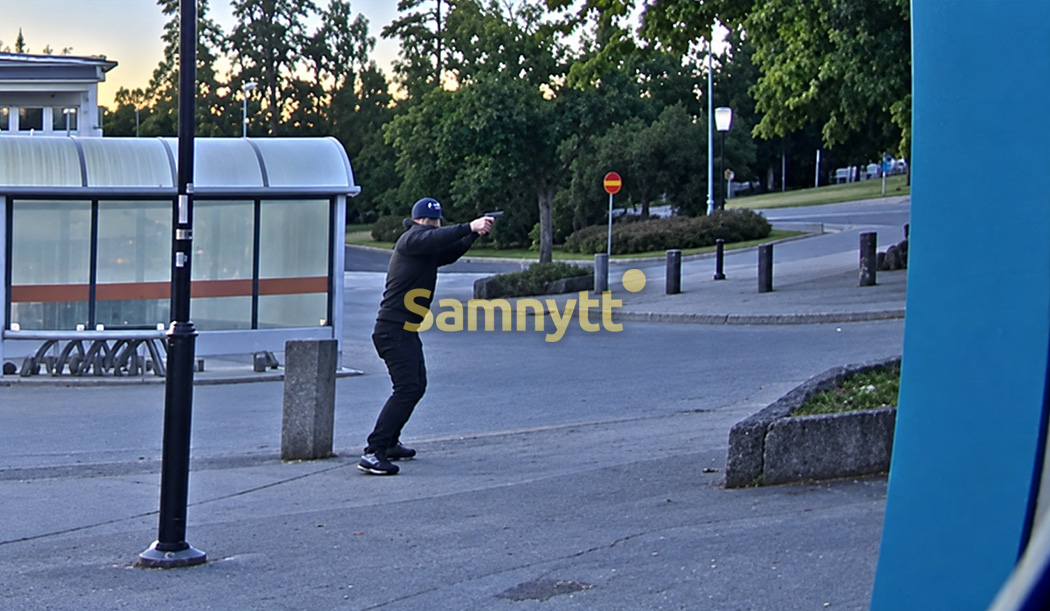
According to the verdict reviewed by Gefle Dagblad, the footage shows how Rasoli moves, holds his arm, and aims in a way that the court believes demonstrates an intent to kill. The district court thus dismisses his explanation that he deliberately shot into the ground and air to avoid hitting anyone. The number of shots also supports, according to the court, a killing intent.
Someone else was the intended target
The investigation also suggests that the two teenagers were probably not the original targets. In the indictment, the prosecutor refers to evidence from Rasoli’s two phones about how the shooting was planned and that “it seems somewhat by chance” that these two teenagers became the targets.
Rasoli himself said in interviews that he had received a picture of a person he was supposed to look for – but believes the man in the photo was probably someone else entirely.
– I think it was a completely different guy. In the picture they sent, he said during questioning.
When the two teenagers showed up on the electric scooter, the people directing the assignment decided they should be shot. Rasoli says that the order included both of them.
– Both of them. Yes. They wanted that. Both must die.
From Bomb Attacks to Murder Assignment
The interrogations also reveal how, according to Rasoli, he ended up in Gävle. He describes a failed car deal that left him in financial trouble. Contacts with people in Gothenburg, he claims, led him to criminals in Örebro who offered to help him with his debts – if he did jobs for them. The first assignment was not supposed to be a shooting.
– At first, they said I should just do something. Blow something up, explosives. Something at an apartment. That was the plan, Rasoli told police in interviews.
According to his story, he was then sent first to Stockholm and then to Gävle. There, he was housed in what is known as a safehouse in Forsby. Other people came with food and provided him with a weapon.
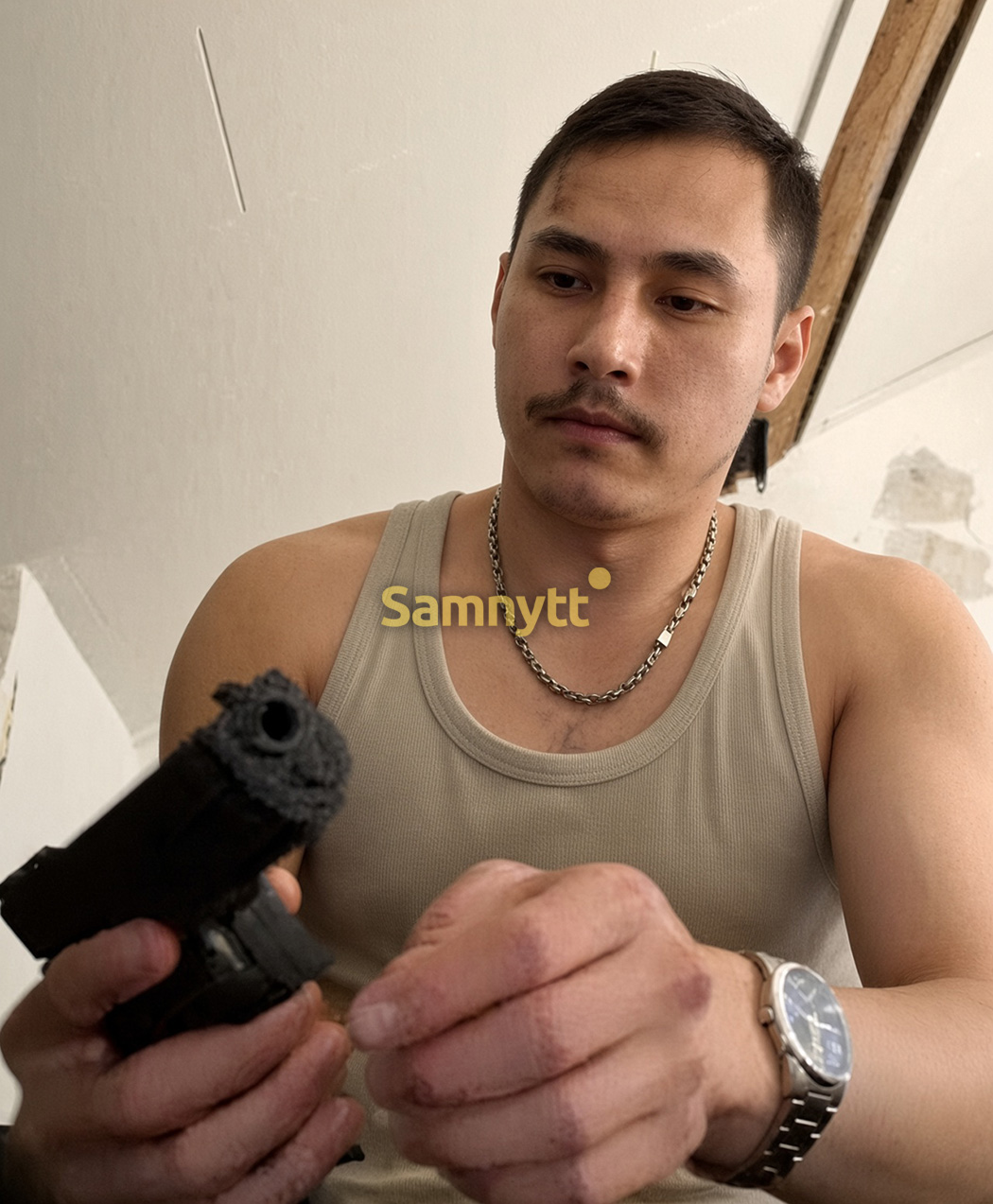
The plan changed during his stay. The bombing assignment was changed to a shooting. Rasoli says that a younger man came to the apartment with the pistol and taught him how it worked. In one of the interviews, he describes how he learned to load and handle the weapon.
– When he left the weapon, when he saw that I couldn’t handle it. When I couldn’t load bullets, couldn’t hold it and such. Then he was very angry with me, Rasoli says in broken Swedish during the interview.
Admitted the shooting – denied intent to kill
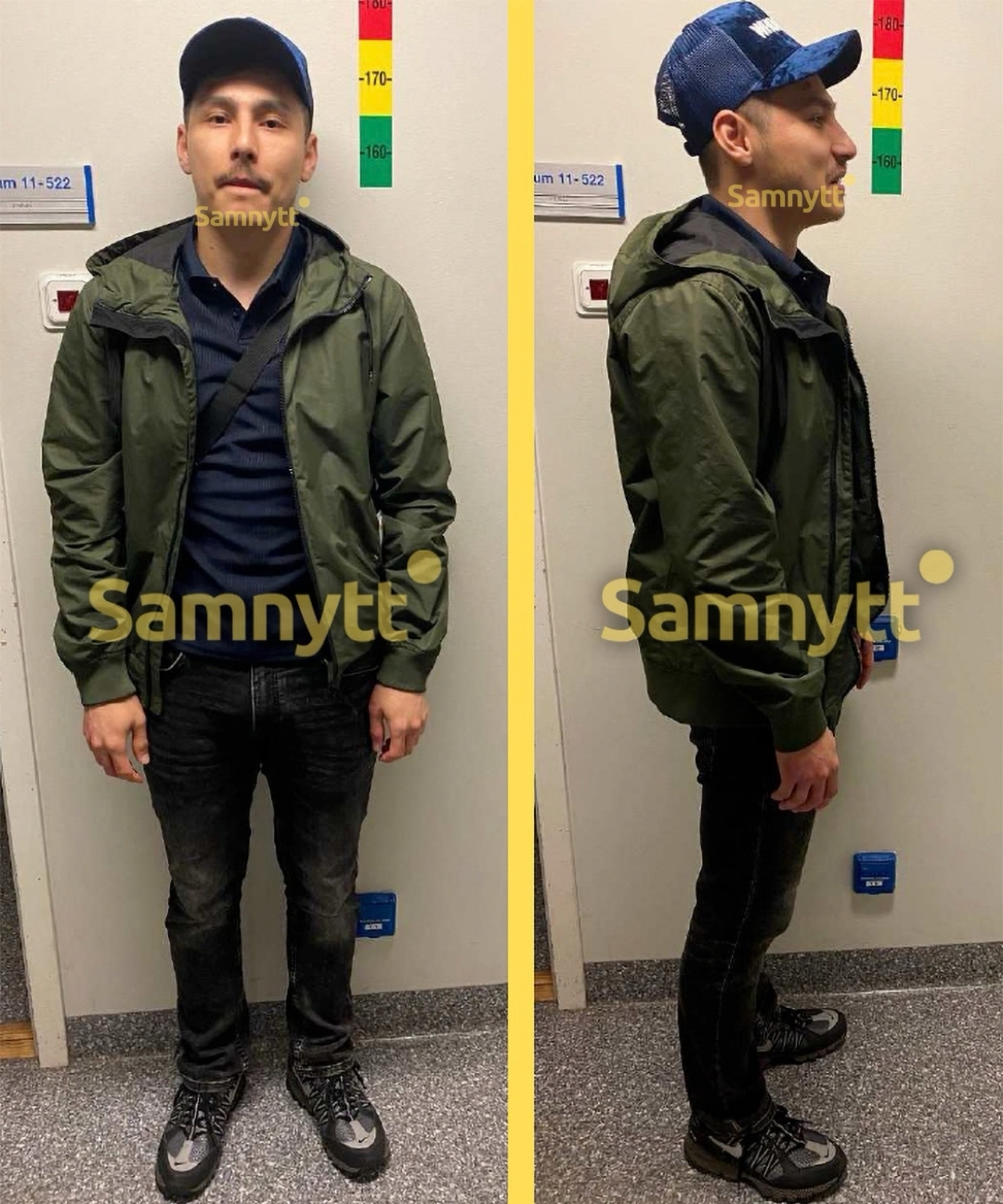
Rasoli’s account changed during the course of the investigation. In the first interviews, he denied the crime and claimed that another man had borrowed his clothes and been at the scene. When police showed him surveillance footage, he admitted the jacket and cap were his but claimed the man in the film was not him. Later, he changed his story and acknowledged that he was, in fact, the shooter.
– Yes, he answered when the interviewer stated he was now admitting to firing the shots.
However, he continued to deny that he tried to kill the teenagers. His version was that the clients ordered him to kill them, but he himself tried to shoot low.
– I just shot here and there. At the ground, on the road, he said.
He also pointed out that the distance was short, and that he could have shot them directly if he really wanted to kill them.
– I didn’t try to kill them. I had a good distance to them. If I wanted to, I would have done it right then and there.
The district court, according to the verdict, did not believe that explanation.
Claimed that he was threatened into the assignment
Rasoli has also claimed that the assignment was not only about money and debts, but that he was subjected to threats. In a supplementary interview at his own request, he alleged that men repeatedly came to his home.
– It felt like they were always after me. Even though I lived alone. But it felt like I didn’t live alone anymore. Someone constantly came behind the door and knocked. Or called, he said in the interview.
He claimed the men said it was too late to back out after he had seen and gotten to know them.
– There’s no way to back out.
In another interview, Rasoli said the threats also included a pistol and knife:
– They said, if you don’t do it, we’ll shoot you instead.
The police also confronted him with the fact that he had several opportunities to contact authorities. Rasoli had even been taken in by police in Gävle before the shooting without revealing anything about the assignment.
In the supplementary interview, he said he did not dare to go to the police because he feared the situation would get worse. He also claimed that the men had come to his residence and shouted outside the door when he refused to open.
Arrested in taxi heading south
After the shooting, Rasoli fled from Sätra and returned to the apartment in Forsby. There, he ordered a taxi to leave Gävle. The journey ended in Uppsala, where police stopped the car and arrested him. He had two phones with him at the time.
He has been in custody since July 11. The indictment shows that he was charged with two counts of attempted murder and serious weapons offenses. The prosecutor also requested deportation. Rasoli is an Afghan citizen.
He has now been sentenced to 16 years in prison for both attempted murders. After this, he will be deported from Sweden and forbidden to return. The re-entry ban is permanent. According to the verdict, if he returns to Sweden despite the ban, he faces an additional two years in prison.
He must also pay about a quarter of a million kronor in damages to one of the teenagers and nearly 320,000 kronor to the other. Based on the information in the preliminary investigation about Rasoli’s financial situation, taxpayers are expected to shoulder the compensation cost.