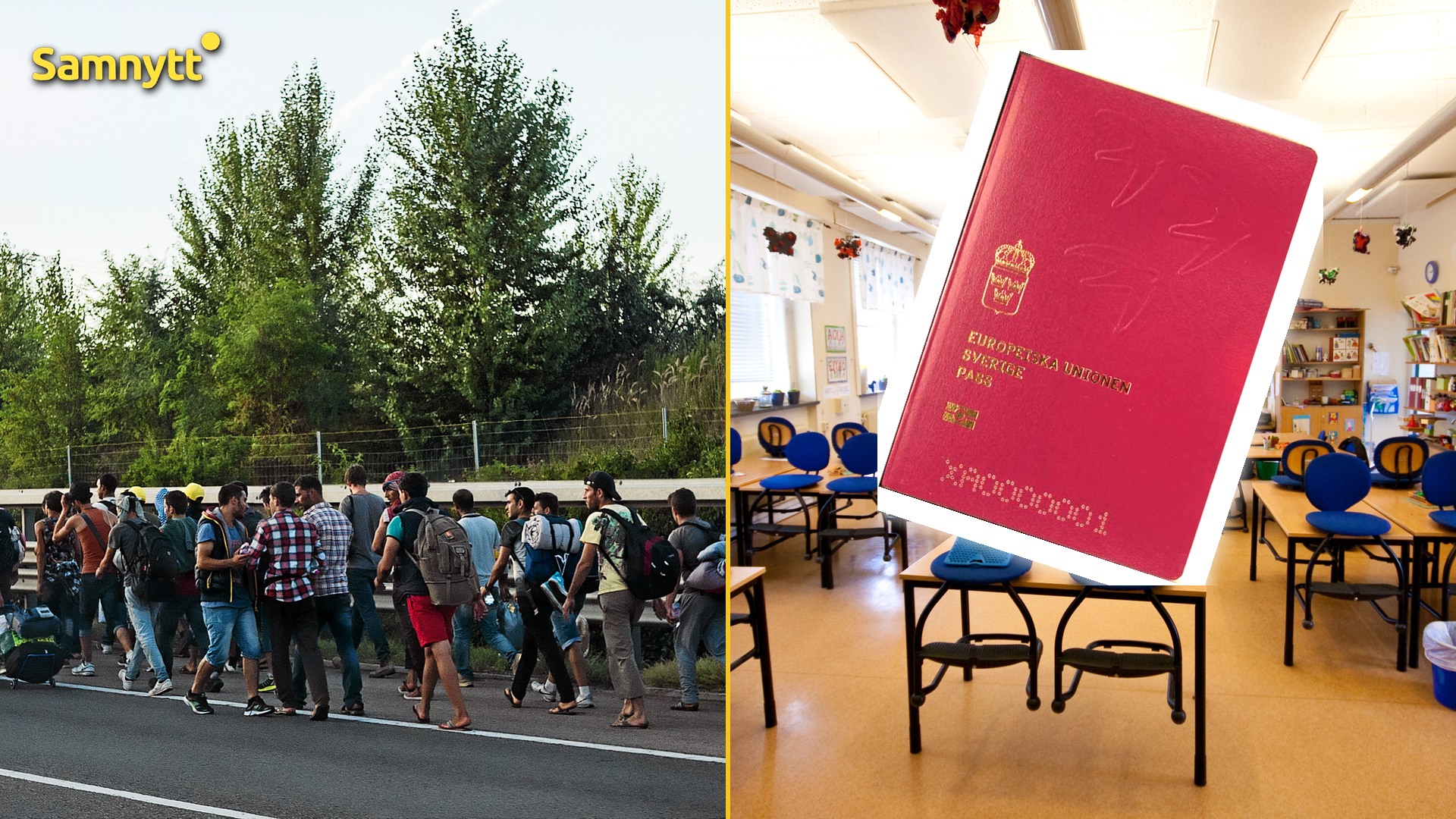
The Swedish Council for Higher Education (UHR) wants to postpone the new digital Swedish language citizenship test by two years. In a report to the government, the agency believes the timeline—implementation on October 1, 2027—is unrealistic. The earliest the test could be introduced is in the fall of 2029.
The recommendation is partly based on the fact that Stockholm University, which is developing the test together with UHR, will not have enough time to develop and adequately test it.
Andreas Sandberg, project manager for the citizenship test at UHR, told Swedish Radio that the issue concerns legal certainty and cost-effectiveness.
“It’s a matter of timing for legal certainty and cost-effectiveness, so that it works well both for the state and for those who will take the test,” said Sandberg.
The Swedish Requirement Remains
The language requirement for those applying for Swedish citizenship has been in effect since June 1 this year. During a transitional period, some results from SFI (Swedish for Immigrants) are accepted, among other options. The new digital Swedish test was initially planned for introduction on October 1, 2027, as part of the stricter citizenship requirements proposed by the Tidö parties.
UHR now states that this timeframe is too tight. Speaking to Ekot, Sandberg says 2027 appears highly optimistic.
“We have simply made the assessment now … 2027 is very optimistic. We believe in 2029. In practice, there will absolutely be challenges,” he said.
According to UHR, a later start would allow time to develop, test, and ensure the quality of both the tests and the digital infrastructure, the agency wrote in a comment to TT.

Civics Test Continues
The postponement only applies to the Swedish test. The civics test was held for the first time in August at Stockholmsmässan in Älvsjö and will continue as planned.
If the government follows the recommendation, applicants will not be able to take the new language test until at least 2029. Knowledge of Swedish will then have to be demonstrated through existing channels—SFI, adult education (komvux), grades, or the Tisus test—and the Migration Agency will need to be able to handle this, according to Sandberg.
“If this is moved forward now, there will of course be a consequence in that you won’t be able to take the test until 2029. So you need to be able to make use of the other available options, such as SFI or Komvux or similar. This has to continue, and the Migration Agency has to be able to manage it,” he told Ekot.
The Migration Agency emphasizes that the Swedish language requirement remains in place and the government must decide when the new test can be introduced.
Cost and the Government’s Position
The language test is expected to cost taxpayers at least 100 million SEK per year over the next five years, according to Ekot.
Outgoing Minister for Higher Education, Lotta Edholm (L), notes that a caretaker government should not make decisions on amendments and that the schedule therefore currently remains in place. The government will decide on UHR’s recommendation.