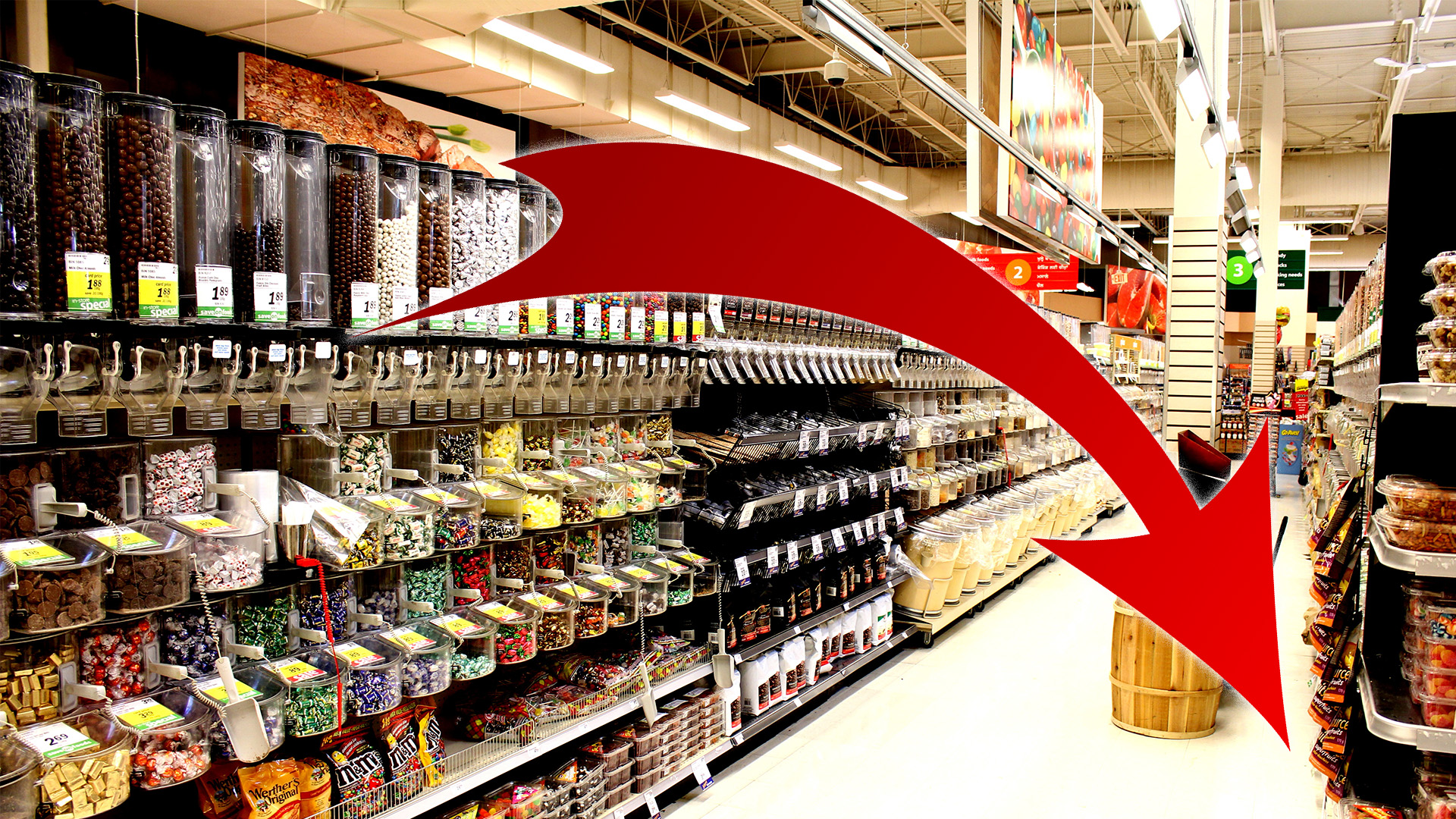
On April 1, 2026, the government is proposing to temporarily reduce VAT on food from 12 to 6 percent, a measure set to remain in effect until December 31, 2027. The government argues that this step will strengthen household finances after years of high food prices and an economic downturn.
The reduction in food VAT is the most immediate political factor expected to curb price growth. Halving VAT on food means directly lower taxes on purchased goods, which in theory should make the grocery basket cheaper for consumers as early as spring 2026.
The food industry organization welcomed measures that strengthen purchasing power, although the organization also warns that the VAT reduction alone will not stop underlying cost increases in production.
Downward International Price Trend
Internationally, there are signs that some of the previously reported pressures on food commodity prices are continuing to ease. The UN Food and Agriculture Organization’s (FAO) Food Price Index has dropped for a third consecutive month and stands slightly lower in November 2025 compared to the same month the previous year. Prices for dairy products, sugar, and vegetable oils have notably fallen.
This means :censored:6:cdd6bbaa89: commodity prices are no longer driving price increases at the same pace as before, giving Swedish food retailers room to pass on some of these lower costs to consumers.
Swedish Inflation Is Falling
As VAT on food is set to be lowered, statistics from Statistics Sweden (SCB) show that food prices have actually started to fall on a monthly basis — for example, food prices have reportedly dropped for two consecutive months at the end of 2025.
Overall inflation in Sweden has also fallen over time, which means the pace of price increases has generally eased. According to economic forecasts from the EU Commission’s Economic Forecast, total inflation is expected to drop sharply during 2026, partly thanks to the lower VAT on food.
Risk of Conflict Remains
Despite these positive signals, there is a warning from some parts of the food industry. The organization Livsmedelsföretagen warns that political pressure to lower prices could clash with realities in the sector, where companies are already facing squeezed margins due to high costs for labor, energy, and transportation.
Overall, both national and international sources indicate that downward pressure on food prices will be noticeable for Swedish households in 2026, even if not all effects can be attributed solely to the VAT reduction.