The year 2025 brought several widely noted scientific discoveries that shed new light on both the Earth’s and humanity’s history. From gigantic dinosaur tracks in England to new findings about when humans learned to master fire – as well as rare samples from the Moon – researchers made discoveries that attracted international attention.
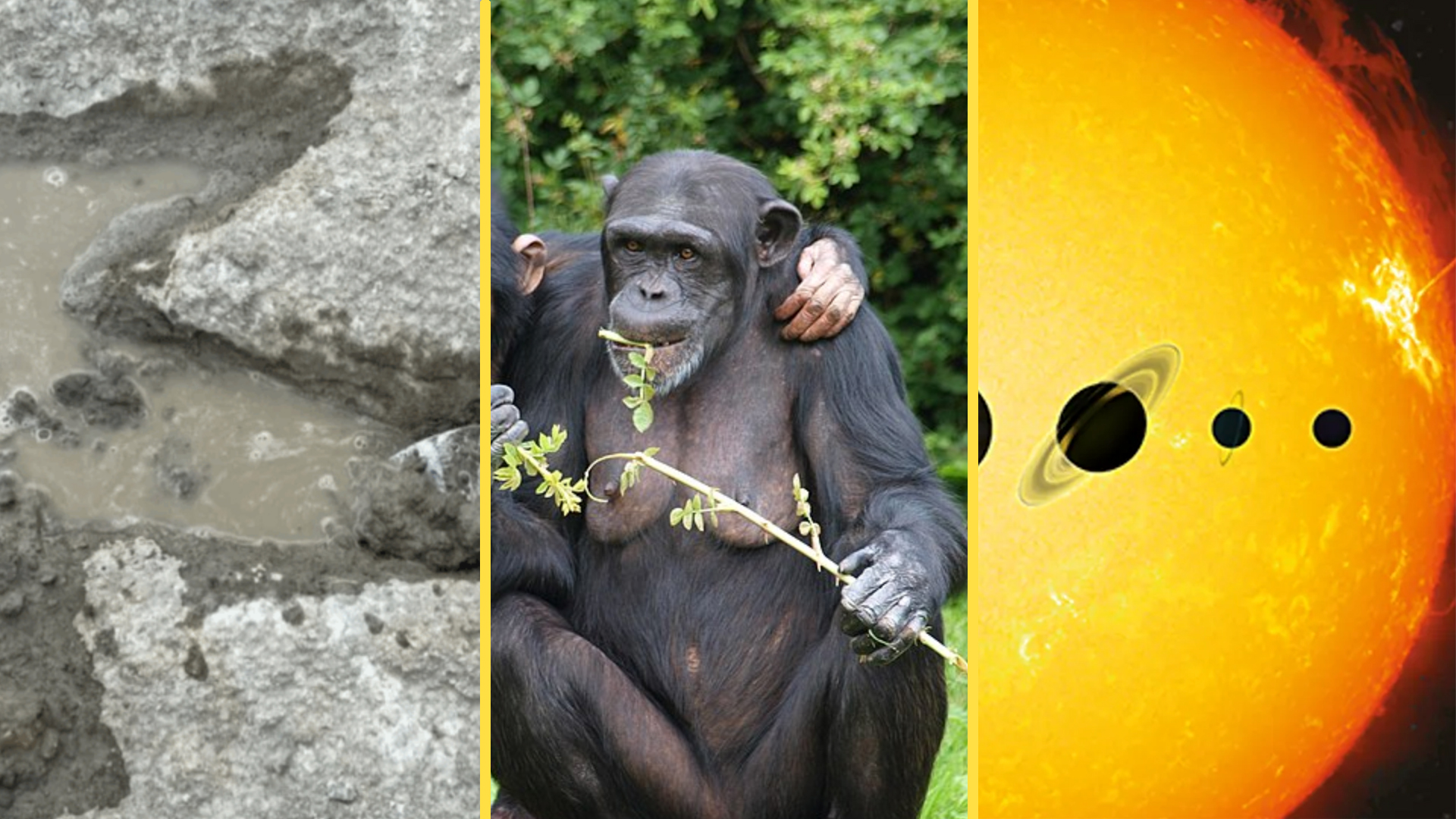
In a quarry in Oxfordshire, researchers have identified around 200 fossilized dinosaur footprints, dated to about 166 million years ago. The tracks were formed when dinosaurs walked across a shallow lagoon during the Jurassic period.
According to the researchers, they are tracks of two different types of dinosaurs: a long-necked herbivore believed to be a Cetiosaurus, and the two-legged carnivorous dinosaur Megalosaurus. Some of the trackways extend up to 150 meters, and additional tracks may remain in still unexcavated parts of the quarry.

Fire Changed Human Development Earlier Than Thought
At an archaeological dig in Barnham, Suffolk, researchers found what is described as the earliest known evidence yet for controlled, human-created fire. The find has been dated to about 400,000 years ago.
The discovery pushes back the timeline for when humans learned to create fire by more than 350,000 years compared to previous assumptions. Fire is considered pivotal for human development, enabling cooking, warmth, protection, and, ultimately, increased brain capacity.
Humans Are More Monogamous Than Many Other Species
A comparative study of pairing in the animal world shows that about 66 percent of humans live in monogamous relationships. This places humans higher than both chimpanzees and gorillas, but far below the California deer mouse – which researchers say is completely monogamous and forms lifelong bonds.
The results show that although humans are not the most monogamous species, long-term pair bonds are relatively common compared to many other mammals.

Rare Planetary Alignment in the Night Sky
On several evenings in February, seven planets could be observed simultaneously in the sky: Mars, Jupiter, Uranus, Venus, Neptune, Mercury, and Saturn. Four were visible to the naked eye, with the rest requiring a telescope.
Astronomers report that such a clear and favorable planetary alignment is not expected to occur again until 2040.

Moon Samples Arrive in the UK for the First Time in 50 Years
For the first time in nearly half a century, samples of lunar dust have arrived in the UK, on loan from China. The samples are now kept at a secure facility in Milton Keynes and are being studied by Professor Mahesh Anand, the only British scientist who has gained access to the material.
Lunar dust is described as more valuable than gold from a scientific perspective and may contribute new knowledge about the Moon’s formation and evolution.
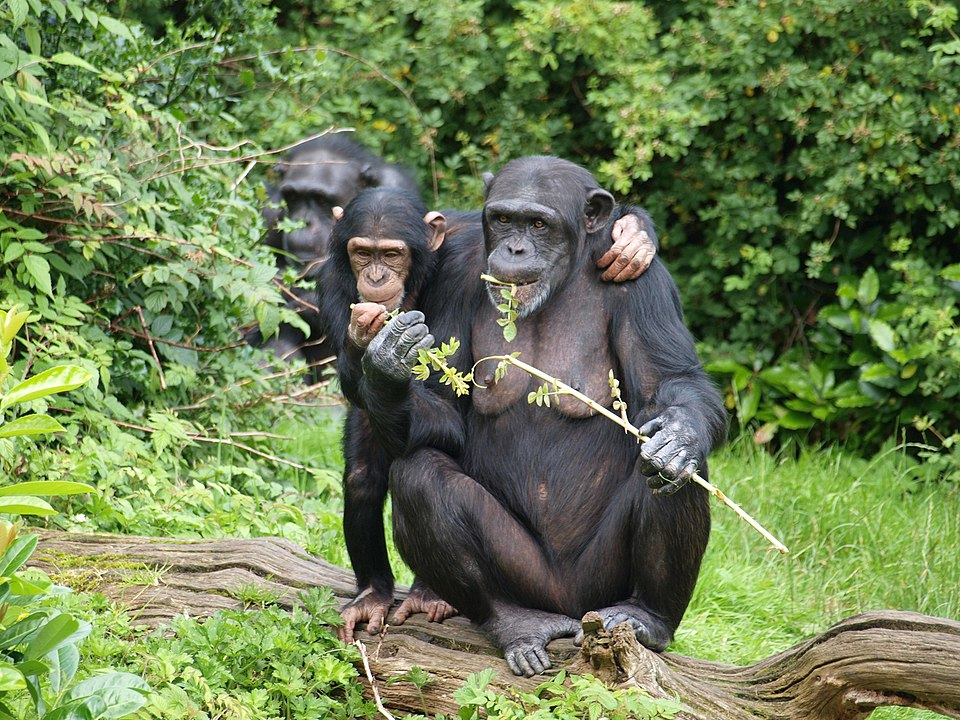
Chimpanzees Use Plants as Medicine
In Uganda, researchers have documented wild chimpanzees treating wounds and injuries using plants. The observations were made by researchers from the University of Oxford in collaboration with local scientists.
In some cases, chimpanzees have even applied plant material to the injuries of other individuals. The findings further support earlier research suggesting that our closest relatives have advanced knowledge of natural medicine.