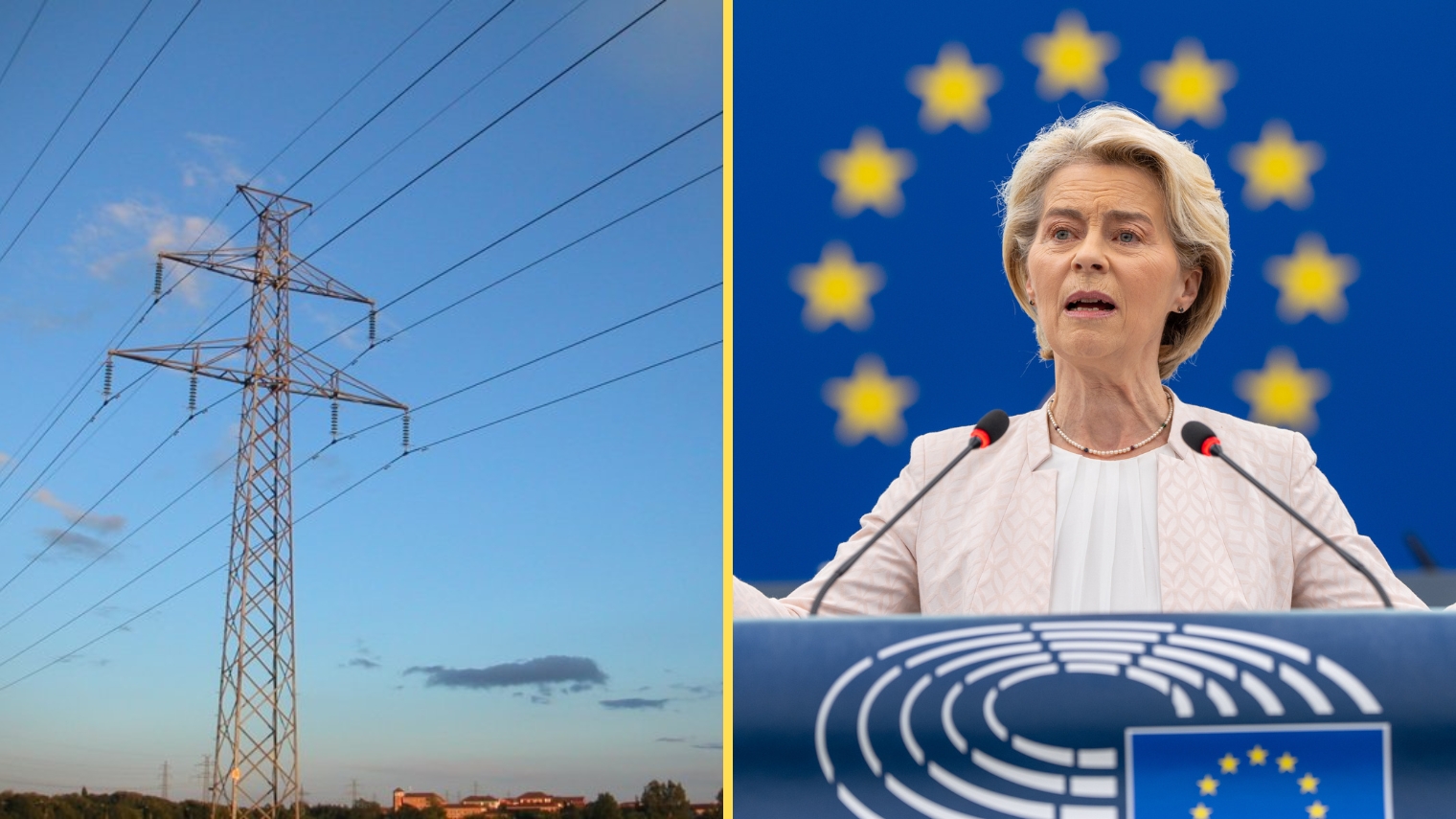
The EU countries’ own energy policy decisions have contributed to the vulnerable situation that several member states now find themselves in. Dismantled nuclear power, intended to be replaced by wind power, and reduced access to cheap imported energy, have made energy supply more fragile just as the global situation has worsened. Now, member states are forced to search for temporary solutions to limit the effects of an energy crisis that risks hitting both households and businesses hard. EU finance ministers are discussing, among other things, a special tax on energy companies that are making large profits while energy prices swing violently.
The European energy market continues to be under heavy pressure from both geopolitical tensions and changing trade flows. The EU’s sanctions against Russian oil and gas have already transformed Europe’s energy supply, while the war between the USA, Israel, and Iran has created new disruptions in the global energy market.
The situation is particularly sensitive around the Strait of Hormuz, one of the world’s most important transport routes for oil and gas, where the military conflict has led to sharply reduced shipping and increased uncertainties regarding deliveries. When energy supply is affected from multiple directions at once, consequences are felt quickly far beyond the conflict regions.
Higher oil and gas prices drive up costs for households, businesses, and transportation and also contribute to greater inflationary pressure in Europe. It is against this background that EU finance ministers are now discussing whether energy companies that have made large profits from the volatile price swings should be subject to a special windfall tax.
At last week’s EU finance ministers’ meeting in Dublin, high energy prices and possible measures were on the agenda. The backdrop is an increasingly difficult economic situation for member states, as ongoing unrest in the Middle East continues to impact oil and energy markets.
Brent oil has once again surpassed $100 per barrel, and the extreme volatility in energy markets is helping to keep inflation elevated within the EU. According to assessments, inflation isn’t expected to return to the European Central Bank’s 2 percent target until at the earliest toward the end of 2027.
READ ALSO: Germany’s growth forecast halved
Economic growth has so far held up this year, but the EU Commission expects growth to slow down in 2027 as higher energy costs have a greater impact on the economy.
Therefore, the EU wants to stick to a cautious fiscal policy. Member states are being urged to use any available fiscal measures sparingly.
At the same time, the European Central Bank has begun raising interest rates gradually to try to bring down inflation. The proposal for a special tax on energy companies’ profits is not yet an established EU-wide model. However, the EU Commission states that several member states have raised the issue and that it is now being discussed at finance minister meetings.
READ ALSO: AFD: Germany’s economy collapses
The EU Commissioner for Economy, Valdis Dombrovskis, says that member states already have the option to introduce national windfall taxes.
– Several member states have proposed this initiative and it is part of our discussions. Member states can already impose windfall taxes at the national level if they choose to do so, he told Euronews, continuing:
– From the Commission’s side, we are ready to support those member states by sharing best practices and finding a good way forward.
READ ALSO: Strong criticism as Germany shuts down its last nuclear power plants
Germany’s Finance Minister Lars Klingbeil is leading the issue and wants the EU Commission to develop concrete models for how such taxation could be structured. The goal is to have a proposal ready for the next meeting of EU finance ministers in October.
On Friday, Klingbeil said that he has been working on the issue for a long time together with other European finance ministers.
Spain’s finance minister Carlos Cuerpo also supports the idea. He especially highlights the question of who ultimately should bear the costs of the support measures used to protect households and businesses from the energy crisis—a crisis that critics say is partly the result of energy policy decisions made by the EU countries themselves.
– We manage to reduce costs for households, companies, industries, and transport firms, and this happens at the taxpayers’ expense. We believe there may be fairer ways to distribute this cost.

Fuel Taxes Separate the Countries
At the same time, new EU figures show how energy costs actually impact consumers differently depending on the member country they live in. The differences are particularly clear when it comes to diesel prices at gas stations.
Finland, Denmark, and the Netherlands are among the countries where diesel is the most expensive. All three also have particularly high fuel taxes, meaning that a significant part of the pump price consists of excise taxes and VAT.
READ ALSO: Diesel approaches 24 kronor – Trump points to Ukraine’s attacks
In several Eastern European countries, the situation is the opposite. Bulgaria and Poland, for example, have much lower fuel excise taxes, which contributes to lower prices for motorists.
According to official EU data from September 14, Malta was the country where diesel was cheapest, with a price around 1.20 euros per liter at the pump.
READ ALSO: Here, fuel prices are always at the same low level
The differences between member countries are largely due to national tax rules. Excise duties and VAT make up a large part of the final diesel price, meaning the same global oil price can result in very different costs for motorists in different parts of the EU. The difference becomes particularly clear when comparing prices before and after taxes.
However, taxes are not the only factor behind these differences. Regional capacity to refine crude oil also plays a crucial role when prices rise quickly.
The EU’s member countries buy crude oil on the same global markets, where prices are affected by war, supply chain disruptions, and shifts in supply and demand. But the path from crude oil to the price at the pump for motorists varies widely across Europe.
READ ALSO: Prime Minister: EU on the brink of an “existential crisis”