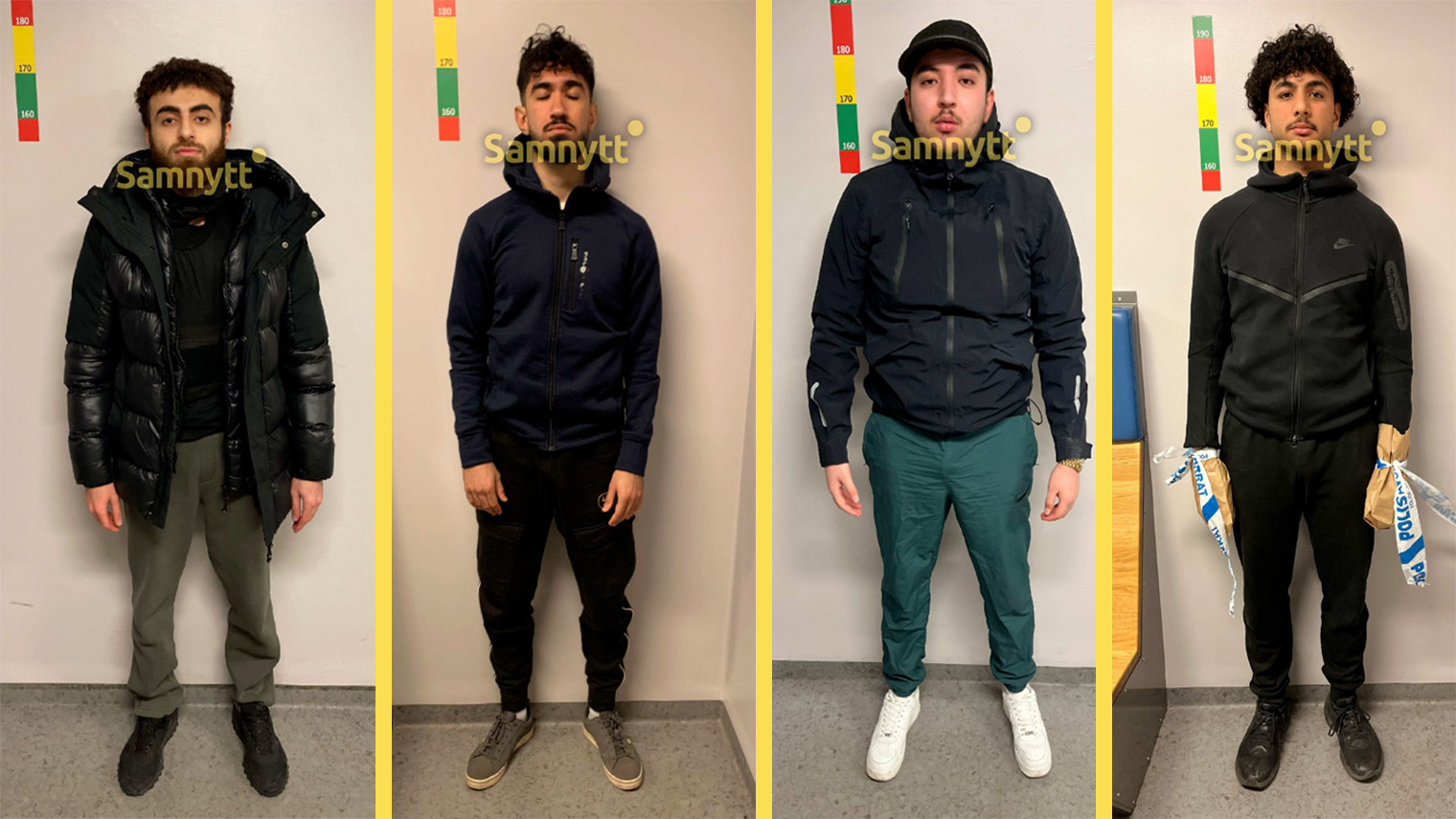
The high school student was lured to a meeting in Malmö, pulled into a car, and taken to a secluded parking lot near Katrinetorp. There he was subjected to violence before he managed to run away – straight toward a police car. Now, Ali Abdulhameed, Farnam Hatami, Isak Nezar, and Salim Zaaroura are each sentenced to one year in prison for kidnapping.
It began with a fight at Fryshuset in Malmö the day before the kidnapping. According to the later kidnapped high school student, one of his friends had gotten into a conflict with another youth. Afterwards, one of the now-convicted men, Salim, contacted him and claimed that he had said derogatory things about his mother. They did not know each other previously.
They agreed to meet outside Fryshuset the next day, April 10. But when Salim arrived, he brought friends, and the situation looked like it could turn into a fight. Staff and security intervened and the group dispersed.
The contact continued via Snapchat. According to the victim, Salim assured him he did not want to fight. They arranged for a new meeting place at Almbacksgatan, near Folkets Park.
The victim still brought three friends. At Almbacksgatan, he first spoke with Salim for about a minute. Then, the situation changed.
According to the victim’s account, Salim grabbed him and pulled him toward a car. A back door was opened from the inside. The victim tried to resist with both arms and legs, screamed for help, and was struck one or more times. Eventually, the men managed to get him into the car.
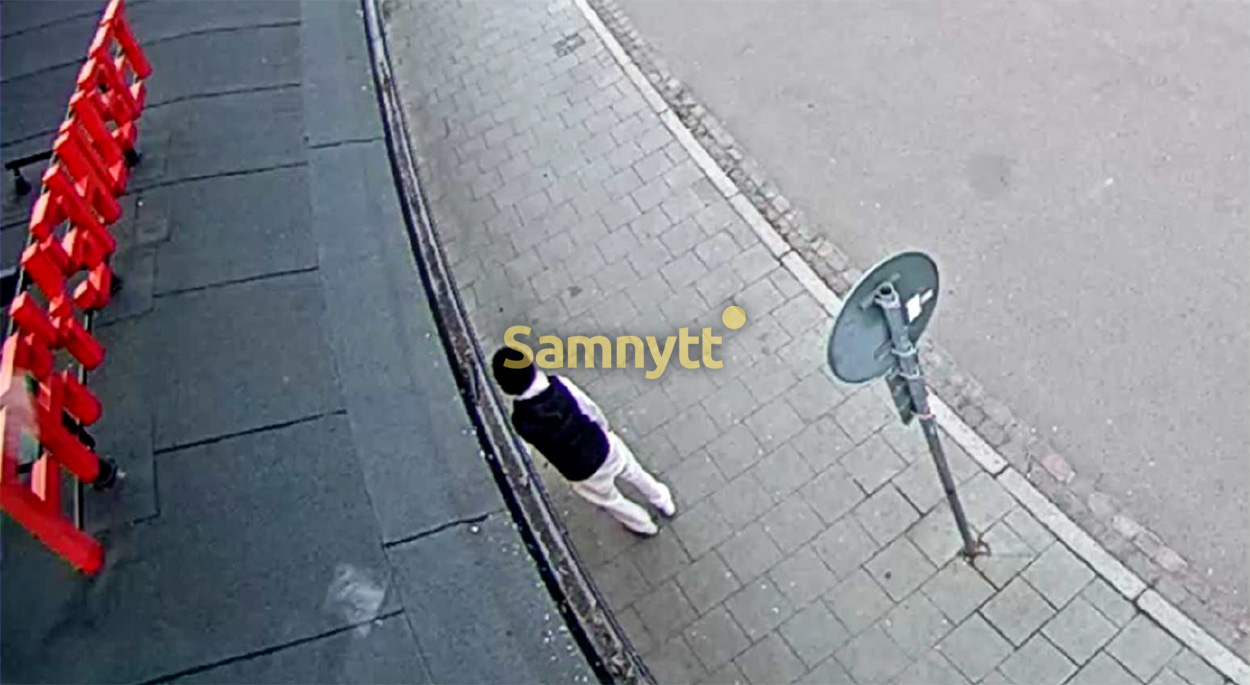
An independent witness saw the commotion from a distance and called the police. In the emergency call, he described how a person was “beaten up and pushed into a car.” When later testifying in court, he said it did not look voluntary and that someone kicked at the car after the kidnapped person had been shoved inside.
The victim ended up in the back seat, between Salim and Isak. Ali drove and Farnam sat in the front passenger seat. This seating arrangement in the car was undisputed. According to the victim, both the driver and the man next to him in the back had covered faces. The man in the back pushed his head down and told him not to look.
The journey lasted about 10–15 minutes. During this time, Salim called the victim’s friends and had him speak to them. The victim told his friends not to call the police. He was told he would be released at Folkets Park, but instead the car continued. Someone then said, according to the victim, something like: “Drive to the place we talked about earlier.”
Fled from the parking lot
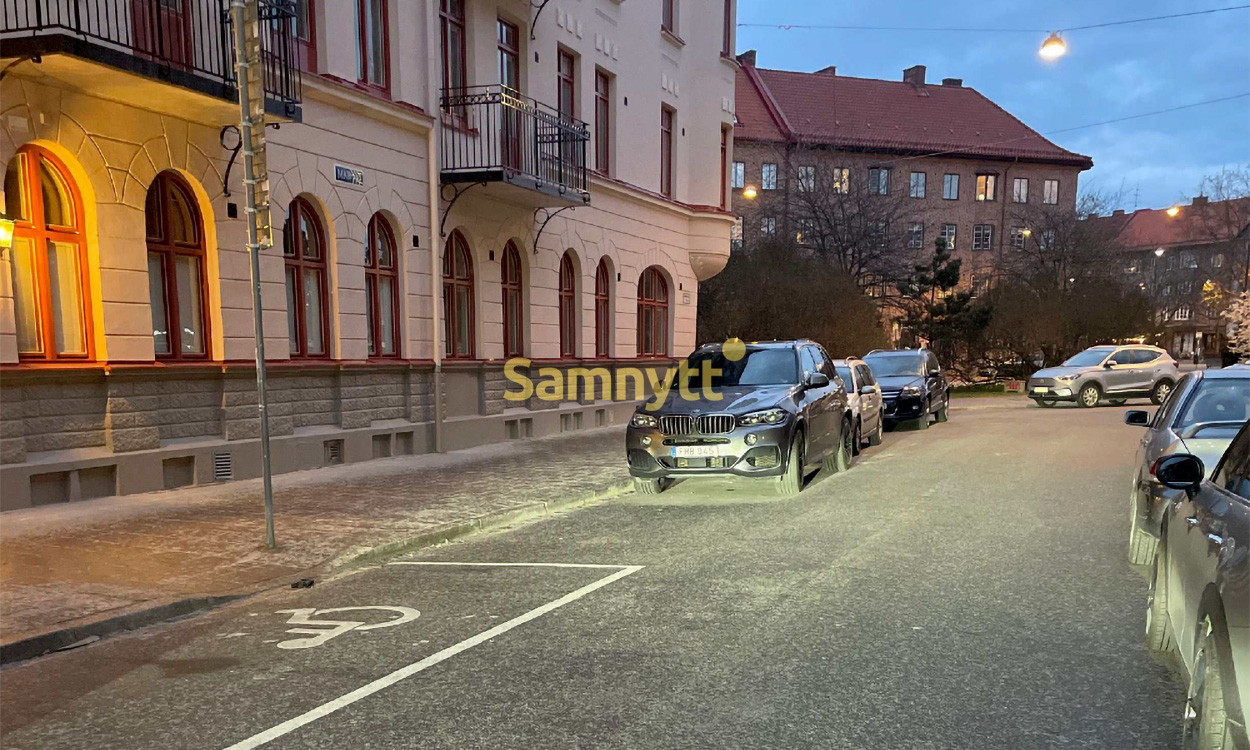
The car stopped at a secluded parking lot at Katrinetorp. There, the men told the victim to get out of the car. According to his account, one of them held him while the others shoved, punched, kicked, and stomped on him. He ended up on the ground and tried to protect his face.
After a few minutes, he managed to break free and run from the site. The first car he encountered happened to be a police car.
– He screamed that he had been kidnapped, one of the police officers later testified in court.
The police described the victim as frightened and panicked. Two men – Salim and Ali – came running after him. When they spoke in another language, the victim suddenly tried to retract his statements and say that nothing had happened. Despite this, the police perceived him as still very scared.
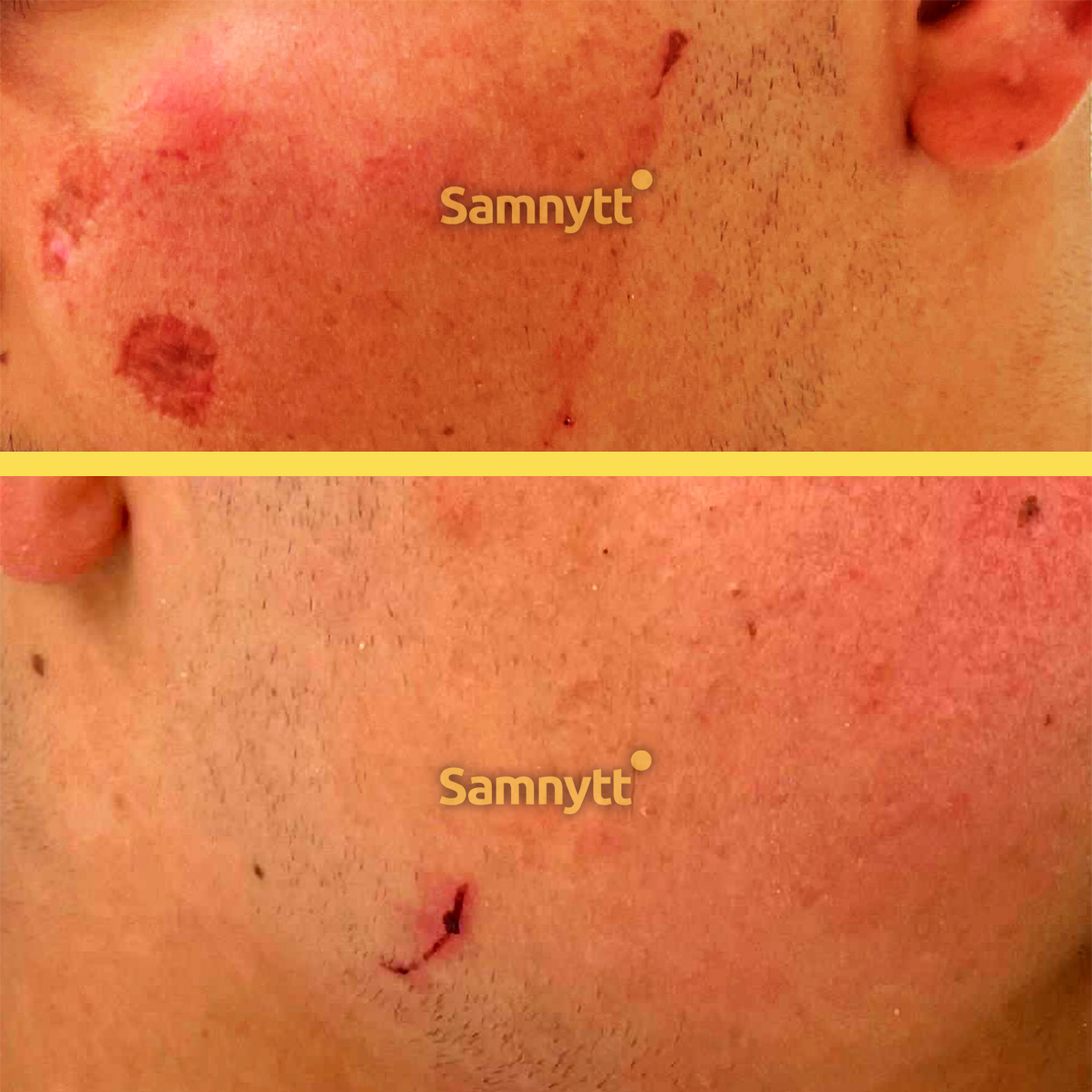
The investigation showed that the victim had injuries to his face and body. There was his blood on the shirt and holes in the jacket. The forensic doctor stated that the injuries were consistent with his account and that it is possible for a person to be subjected to multiple punches and kicks without the visible injuries being more extensive than in this case.
The message: “Kidnapped one”
What had happened did not arise out of thin air, according to the district court. The investigation of the convicts’ phones showed that Salim had sent messages several hours earlier that the court links to planning the confrontation.
Among the phrases were “We’ll catch them”, “We’re looking for them” and “I’ll pick up 3”. At 19:59 – when the victim had already been taken away – a significantly less easily explained message was sent from Salim’s phone: “Bro”, “I have” and “Kidnapped one”.
When police later confronted Salim with the chats, he had difficulty explaining them. About the messages about “catching” people, he said he didn’t remember. When the interrogator asked what they were really planning, he first replied that it was “completely irrelevant” and then refused to comment.
He admitted that the phrasing sounded harsh but said that he had been angry and that it was all a misunderstanding – including over a bicycle. When police brought up the 19:59 message, his explanation changed. Salim first said he didn’t remember writing it, then said he had never written such a thing.
When the question came up again after a break, he denied again: “Bro, I kidnapped one.” He claimed he never wrote that and “had no idea who did.” During the trial, however, Salim admitted it was he who wrote the message. Then, his explanation was that he was joking.
“I just ended up there”
Otherwise, the police interviews were characterized by memory gaps, denials, and reluctance to answer. Two days after the incident, Salim said he hardly remembered April 10. Lockup had made him confused, he explained. When asked why he was being held, he said, “I don’t remember.”
He first claimed he did not know Ali or Isak. When police asked how he nonetheless ended up in a car with them, he said: “I don’t know. We were out and I just ended up there.”
When asked why he was at Katrinetorp, Salim also said he did not know. He couldn’t remember how he had sat in the car and couldn’t explain how the victim ended up there. At the same time, he claimed the car ride had been “very calm” and that they had just talked “about life”.
Farnam gave a similar account in his first longer interview, describing a completely undramatic car ride. He said he mostly looked at his phone and didn’t even know the others in the car aside from Ali. When asked why the victim suddenly ran out of the car at Katrinetorp, he replied: “I don’t know” but maybe God knows.
When police asked if he was present when the victim was dragged into the car, he responded “No comment.” When asked who pulled the victim in, Farnam said he didn’t want to answer as it “has nothing to do with me.”
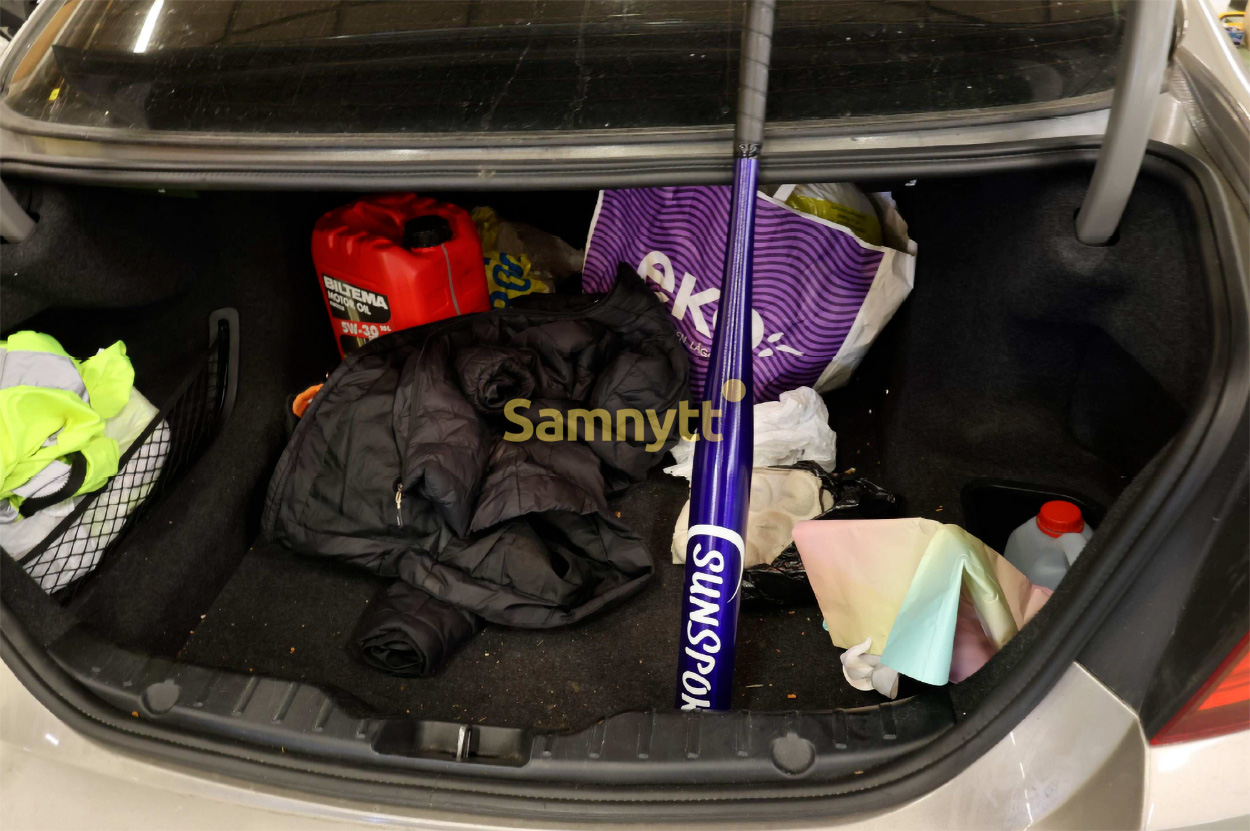
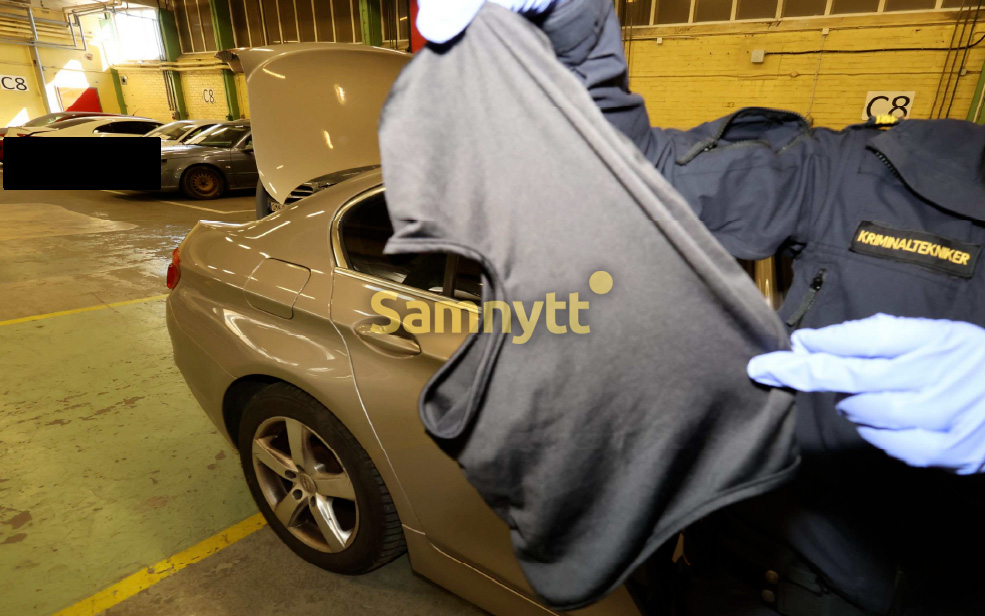
In a later interview, he became even more silent. To question after question – about Fryshuset, who was in the car, planning, the baseball bat in the car, the balaclava, and why several cars were moving together – he answered: “Don’t want to answer that question.” When his Snapchat conversations were read aloud, he did not want to comment on them either.
“A shit sandwich”
Isak also chose early on a line where he did not want to talk about anyone else. “I will only speak about myself, and the others can speak for themselves,” he said in one interview. When the police asked why he was at Katrinetorp, he answered: “I don’t want to say anything about that.” When the lead investigator pointed out that the kidnapping suspicion actually concerned him, he answered that the police should “take it with the victim.”
In a later interview, Isak explained his reluctance to talk about the others by saying that investigations can become public. He said he didn’t want to put himself or his family at risk and expressed fear of “getting a bullet in the head.” He insisted he was completely innocent, saying he had “just been in the wrong place at the wrong time.”
When later summarizing his situation, he called the whole thing “a shit sandwich.” Ali, who drove the car, claimed he had not seen a kidnapping. Among other things, he said that the victim might have run because he thought the men would beat him. When asked why Ali and Salim then ran after him, Ali responded: “Because he ran off after teasing us. I thought he should stand like a man and stand still.”
Ali also claimed that he chose Katrinetorp because he grew up nearby, parking was free there, and they used to “hang out there.” Later, the explanation changed to that he had been in shock and just drove somewhere because he was worried about his father’s car.
When police asked about the balaclava in the car, Ali said it had been used by Isak during the filming of a music video earlier that day. The baseball bat, which was also in the car, he explained as having played baseball with the folk high school several months earlier and forgetting the bat there. The investigator pointed out that this sounded strange. Ali responded that “the truth also sounds a bit odd sometimes.”
Court dismisses the men’s stories
When the case came to Malmö District Court, all four denied the crime. Their main joint explanation was that the victim had voluntarily gotten into the car and that the intention was to resolve the conflict. The court did not believe them.
The court states that the men’s accounts on key points are irreconcilable with the victim’s story and very difficult to reconcile with other evidence. Several of their explanations appear, according to the court, as “extremely strange or even unlikely.”
The court, among other things, points out that the men gave different explanations for why the car suddenly left Almbacksgatan, why they ended up at the secluded parking lot, and what the atmosphere was like during the journey.
It also seemed unlikely that three of the men would not have reacted to an unknown, younger person suddenly getting into their car, riding along for 10–15 minutes, and ending up at a secluded parking lot – if the intention had really only been to talk.
The district court’s conclusion is categorical. None of the four appeared credible, and their accounts, as far as they were relevant to the charges, “can be completely disregarded.” Instead, the court places great weight on the victim’s detailed account, the independent witness’s emergency call, police observations, the injuries, findings in the car, and the content of the phones.
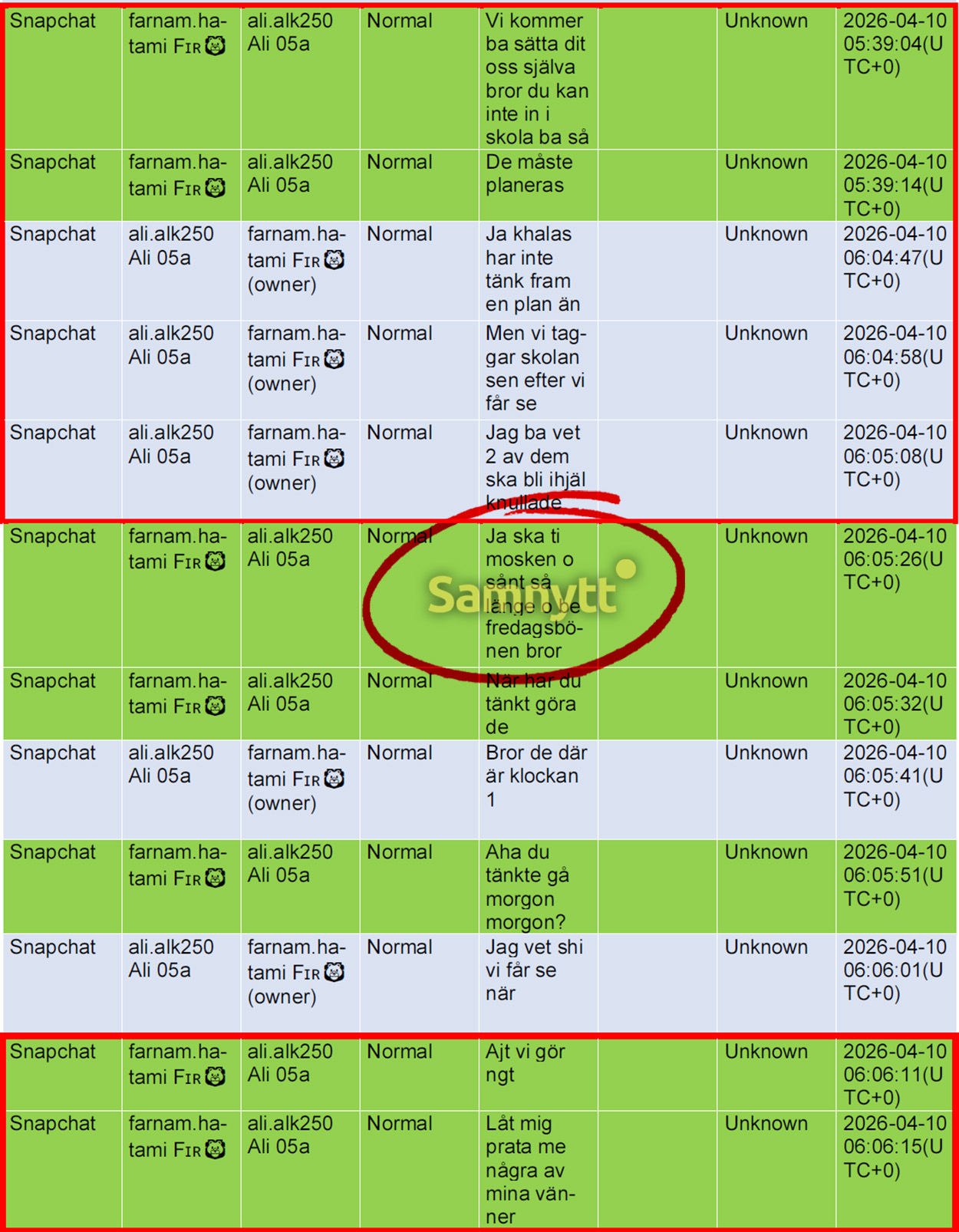
The court also believes that the incident was preceded by some planning and that the four acted within the framework of a joint project. All are therefore considered to be equally culpable for the crime. The time of the offense was chosen so that it would not conflict with one perpetrator’s visit to the mosque for Friday prayers.
Other chats include statements such as that someone or some “will be fucked to death”, “I’m going to rape them”, “will fuck his mother” and “I’ll fuck their sisters”.
Witnesses were afraid
The investigation was also marked by reports of fear and pressure. According to the court, two of the victim’s friends appeared frightened when they testified. The court believed they likely remembered more than they said. One witness had also changed their account compared to the police interview.
The victim himself had, during the investigation, at some point made statements in favor of the men – including that he had gotten into the car voluntarily. In court, he explained why.
He said that people had threatened him and tried to get him to change his story. The pressure started shortly after the incident. As late as the day before the trial, according to the victim, a person came and told him what to say – and what not to say.
The court accepts the explanation and describes the victim as very credible. His story was long, detailed, and coherent, while he was careful about things he could not recall.
One year in prison
Ali Abdulhameed, Farnam Hatami, Isak Nezar, and Salim Zaaroura are all convicted of kidnapping. However, the crime is classified as less severe. As aggravating circumstances, the court points to the planning, the men’s age advantage, and the intense fear and discomfort Ibrahim was subjected to.
At the same time, the court notes that the violence during the abduction was limited, the deprivation of liberty was relatively brief, and that the purpose – as far as is known – was not to cause more serious injury. The incident also did not include any degrading elements of the kind that can make a kidnapping more serious.
The punishment is set at one year in prison for each. The court finds, considering the severity and nature of the crime, there is no room for any other penalty.
The four must also jointly pay SEK 40,000 in compensation for violation to the victim. He had requested a total of SEK 81,400, of which SEK 75,000 was for violation and SEK 6,400 for pain and suffering. However, the court does not believe that there is sufficient investigation to grant him compensation for pain and suffering.
The verdict was announced on August 17. It can be appealed to the Court of Appeal for Skåne and Blekinge no later than September 7.
SEE ALSO: Swedish mother and daughter kidnapped by Somali death gang