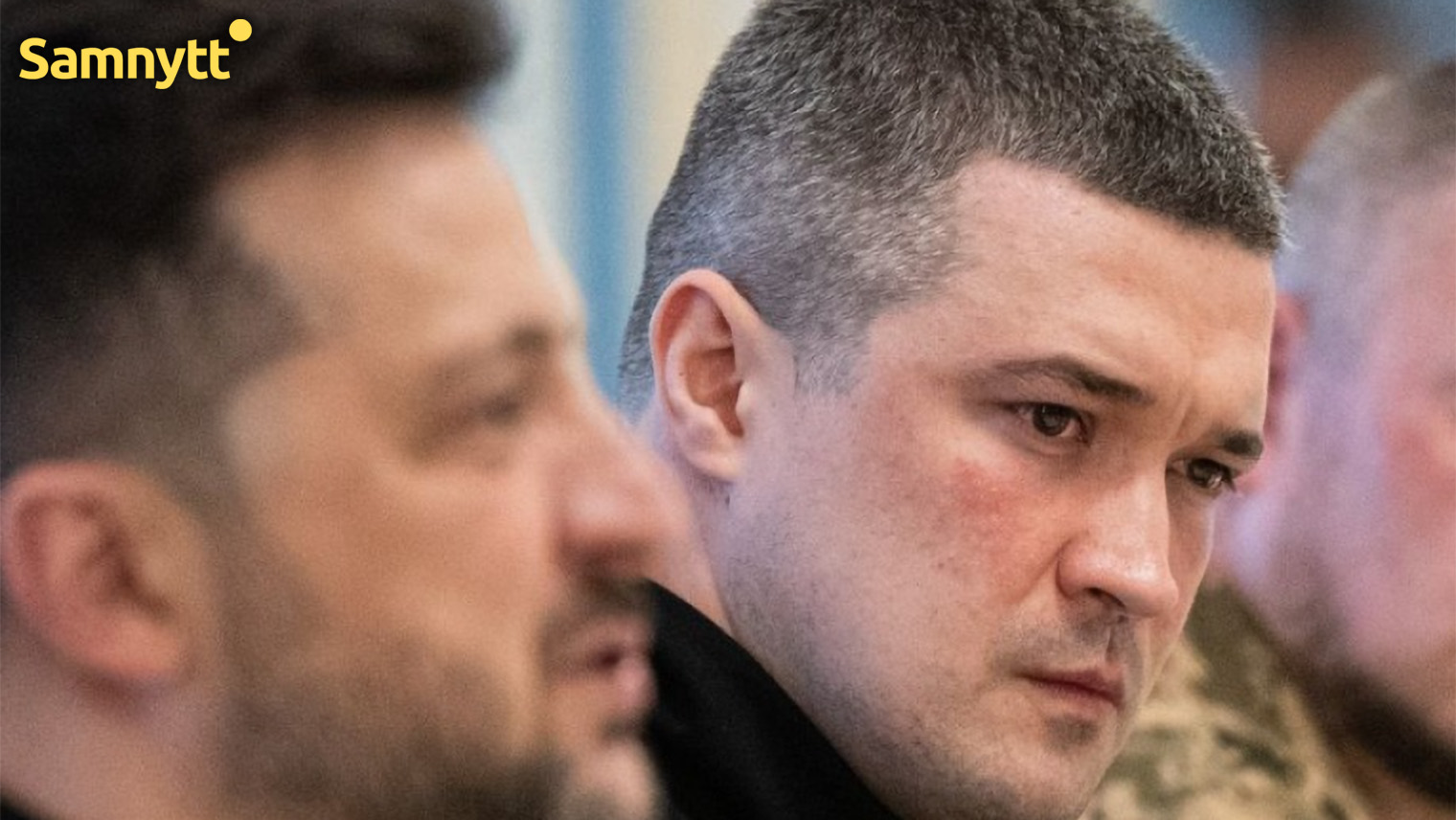
Ukraine’s recently dismissed Defense Minister Mykhailo Fedorov is demanding that the country finds a way back to the ballot box – despite the ongoing war with Russia. Allowing the war to indefinitely halt the democratic process would, in practice, mean that Vladimir Putin gets to decide when Ukrainians can choose their leaders, he argues.
The statement simultaneously represents an open challenge to President Volodymyr Zelenskyy following this summer’s heavily criticized government reshuffle.
“We must not let Putin decide when Ukrainians can elect their government,” Fedorov said in a video address on Tuesday evening.
The 35-year-old former defense minister is calling for what he describes as a “legal, safe, and realistic mechanism” to enable Ukraine to restore a full democratic process even if the war drags on. According to Fedorov, the issue is much broader than the actual act of voting.
“Democracy is not a luxury for peacetime. Democracy is part of what we are fighting for today,” he said.
Does Not Want Russia to Put Democracy on Hold
Ukraine has not held any national elections since Russia’s invasion began in February 2022. Zelenskyy was elected president by a large majority in 2019, and his regular term ended in 2024.
The fact that a new presidential election has not been held does not automatically mean that Zelenskyy lacks constitutional legitimacy. Ukraine is under martial law, and according to the current rules, elections cannot be held as long as these are in effect.
SEE ALSO: Ukraine’s former Commander-in-Chief: Russia Has Countermeasures Against Nearly All Western Weapons
Fedorov does not dispute the enormous challenges that holding an election in the midst of war would entail. Hundreds of thousands of Ukrainians are serving in the military, millions are abroad, and others live close to the front or in areas under Russian occupation.
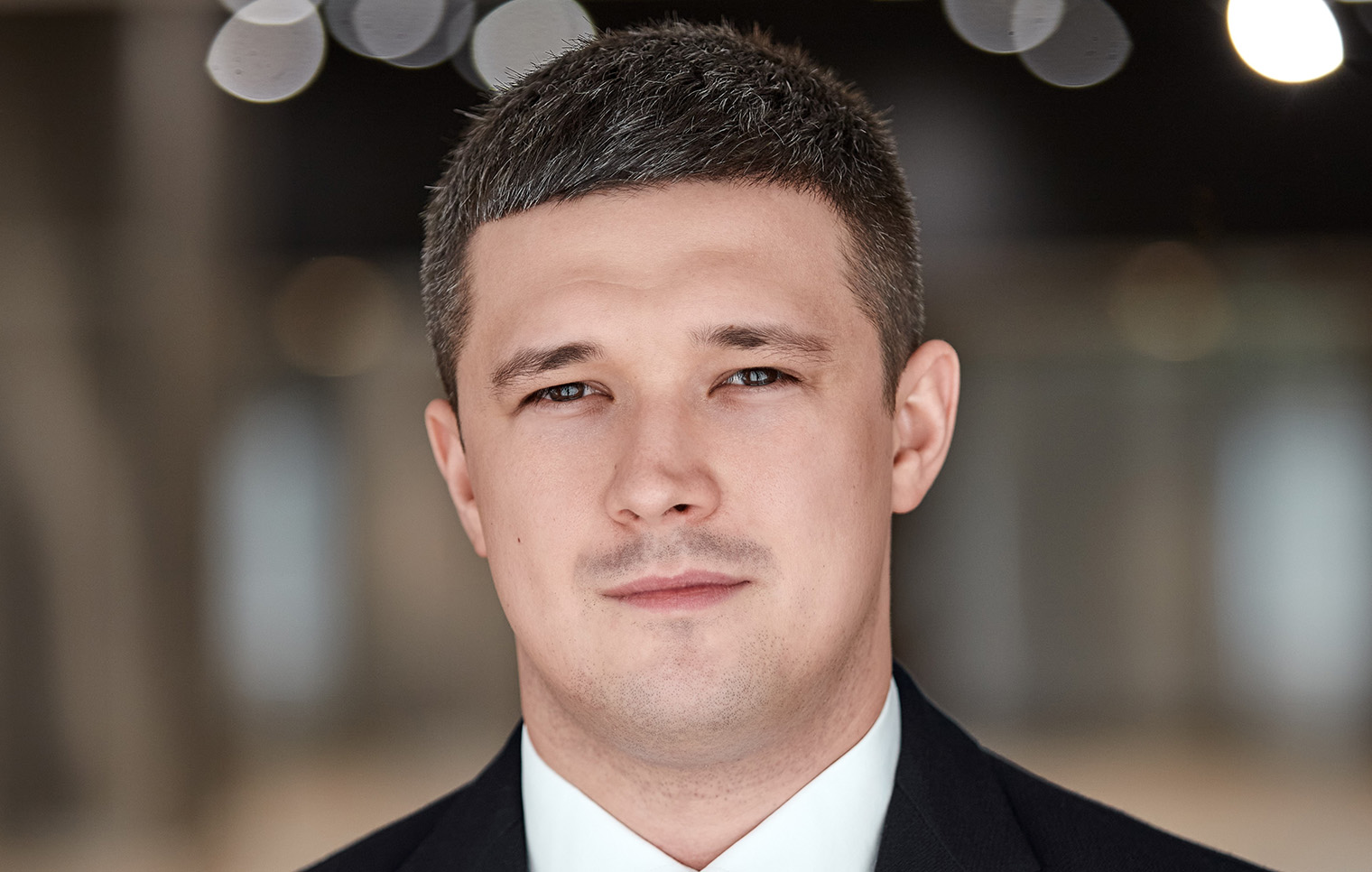
Additionally, Ukrainian cities are regularly subjected to Russian missile and drone attacks. But his argument is that these problems must be solved rather than used to postpone the democratic process indefinitely.
“Democracy cannot be held hostage by Russia,” Fedorov said, arguing that Ukraine must show it can wage war and remain a functioning democracy at the same time.
The demand is controversial even among Ukrainians. A poll by the Kyiv International Institute of Sociology on August 5 indicated, according to Reuters, that 57 percent believe that elections should only be held after the war. Critics of Fedorov’s proposal also point out that a realistic model for a safe and representative election has yet to be established.
From Zelenskyy Ally to Political Challenger
The statement is particularly sensitive because it comes from a man who, until recently, belonged to Zelenskyy’s own political circle. Fedorov worked on the digital side of Zelenskyy’s successful 2019 presidential campaign and subsequently became minister responsible for Ukraine’s digitalization. He later became one of the country’s leading advocates for drones and military technology.
In January this year, he was appointed defense minister and promised sweeping changes in the defense department. Among other things, he pushed for reforms in military procurement and aimed to make Ukraine’s warfare more tech- and data-driven. Only half a year later, Zelenskyy dismissed him.
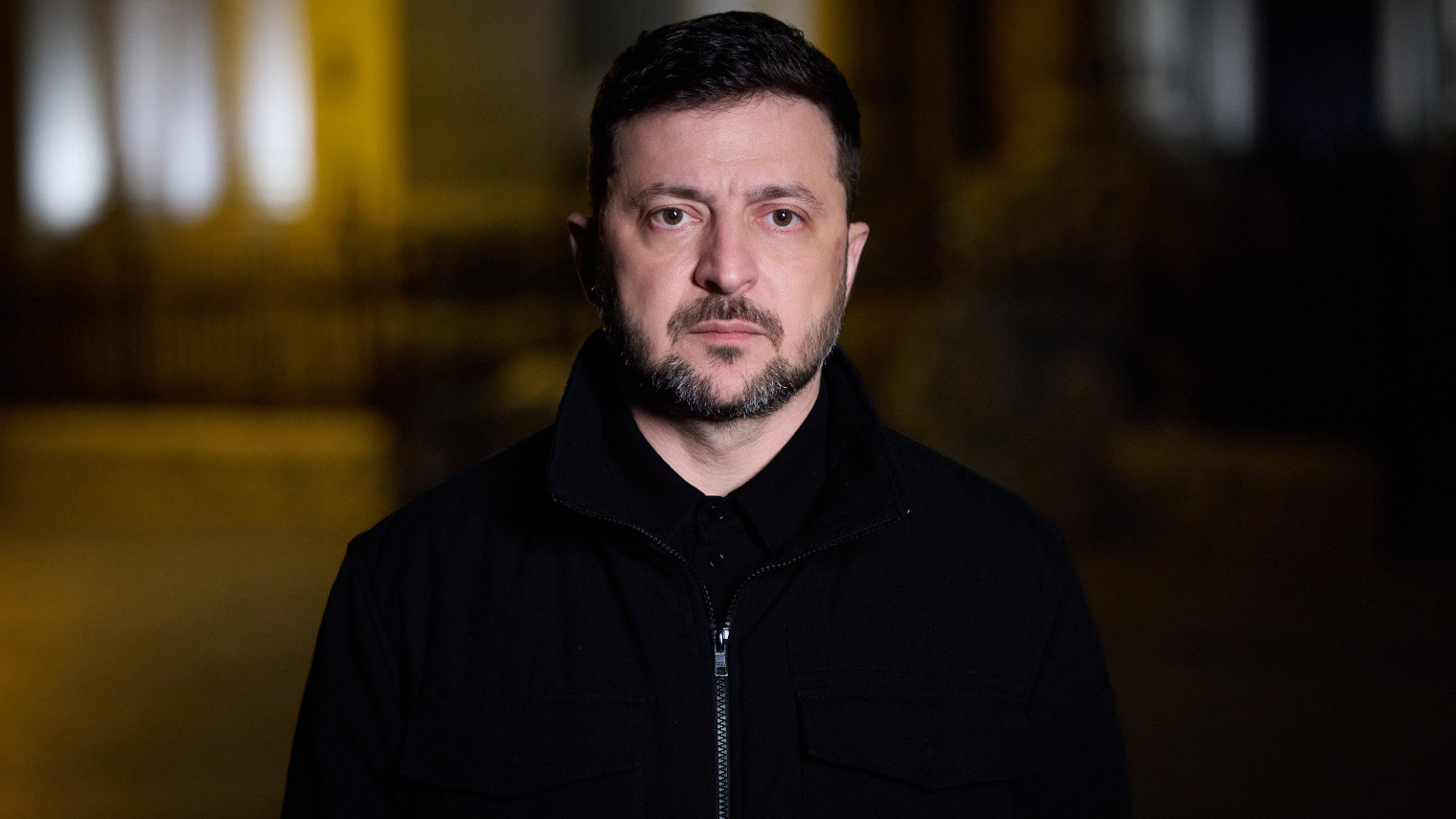
The decision triggered unusual protests in Kyiv and other Ukrainian cities. Demonstrators demanded that Fedorov be reinstated and voiced harsh criticism against then-Commander Oleksandr Syrsky, with whom Fedorov had clashed. Zelenskyy soon thereafter also dismissed Syrsky.
Fedorov has since been offered other government assignments but has not returned. Zelenskyy has now received parliamentary support for Yevheniy Khmara as the new defense minister, effectively closing the door for Fedorov’s prompt comeback to his previous position.
Criticizes Power and Demands Responsibility
Fedorov’s speech covered more than just elections. He described Ukraine as suffering from a “systemic governance crisis” and strongly criticized corruption, bureaucracy, and a lack of accountability.
“Power must entail responsibility. If you have received authority – be accountable for the results. If you get a budget – show what has been achieved. If you receive a position – explain what you have accomplished,” he said.
SEE ALSO: Food Prices Could Surge This Autumn – May Be New Shock Like After Ukraine Invasion
Fedorov linked corruption directly to the war. Money that disappears or is inefficiently used within the defense sector, he said, practically results in fewer drones, less ammunition, fewer vehicles, and inferior electronic warfare equipment for soldiers. He also accused the political system of protecting itself and resisting change.
“The people have long been ready for a different country. Now our state must become worthy of its people,” he said.
Government Reshuffle Raises Questions
Fedorov’s dismissal has become part of a broader discussion about how Zelenskyy exerts power after more than four years of war. The reshuffle and the developments around the military leadership have been criticized for poor communication and for creating instability in some of the country’s most important positions. Two defense ministers have now left after only half a year each in office.
However, describing Fedorov’s removal as proven evidence that Zelenskyy wanted to “get rid of his critics” goes further than what is currently known. Fedorov had a documented conflict with Syrsky about how the war and the defense apparatus should be led, and Zelenskyy stated that cooperation difficulties lay behind the decision. The president later dismissed Syrsky as well, following widespread protests.
But Fedorov’s new move changes the political landscape. The man who until recently was one of Zelenskyy’s most high-profile ministers is now openly positioning himself as a critic of how the country is being run.
He has not announced whether he intends to run in a future presidential election. However, a poll, as reported by Reuters, indicates that Fedorov could defeat Zelenskyy in a second round.
“People Have the Right to the Truth”
The issue of elections thus pits two fundamental principles against each other. Zelenskyy’s position has been that normal elections cannot be held while the country is locked in an existential war, with parts of its territory occupied and millions of voters displaced or in uniform.
Fedorov’s counterargument is that a long war must not mean that the normal mechanisms of democracy are indefinitely suspended. His reasoning also carries a deeper principled point – if Russia’s ongoing war automatically means that Ukraine cannot hold elections, Moscow indirectly gains control over the timing of the next Ukrainian democratic power transfer.
“People do not demand that the state never makes mistakes. But they have the right to the truth,” Fedorov said.
Zelenskyy’s office had, as of Wednesday, yet to publicly respond to Fedorov’s call for elections.