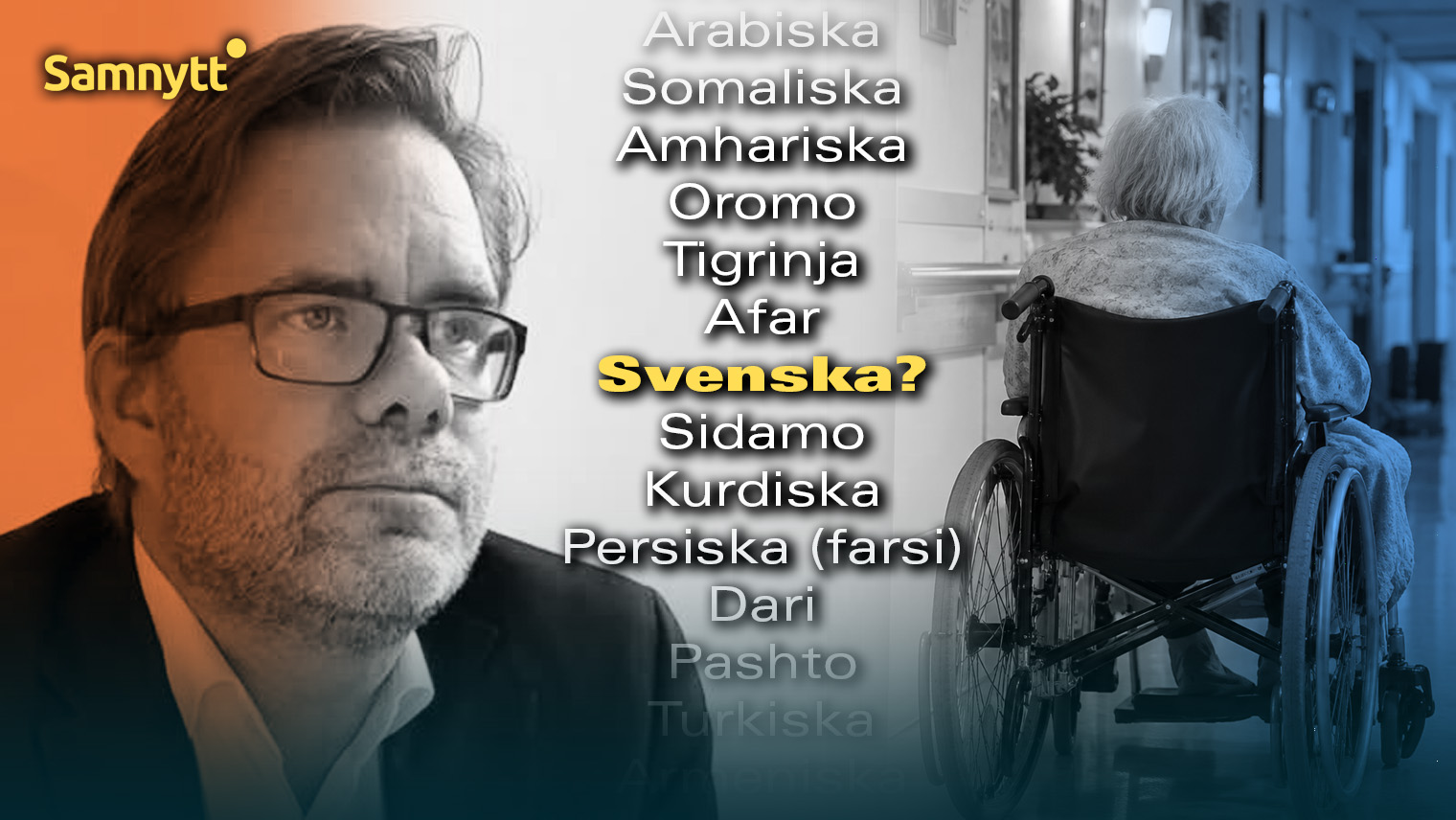
An employee within Gothenburg’s home care service has raised the alarm about recruitment processes where individuals with insufficient Swedish language skills were allegedly interviewed in the unit manager’s native language. At the same time, he testifies about language problems among the staff and care recipients who cannot understand what is being said. Now, the Sweden Democrats’ group leader in Gothenburg, Jörgen Fogelklou, reacts: “It is completely horrendous.”
Samnytt has been in contact with an employee at the municipal home care service in Askim, Gothenburg. He wishes to remain anonymous out of fear of consequences in the workplace.
According to the source, language problems have existed before, but the situation reportedly changed after a new unit manager took office this spring. Previous managers, he says, tried to maintain Swedish as the common working language.
– We have always had managers who have tried and had the will – things should be in order. Then, when a unit manager comes in and behaves like this, it feels like she has let everything go.
The unit manager subject to criticism is from Ethiopia. The source claims to know of two cases where newly hired staff themselves allegedly told colleagues their job interviews were conducted in a language other than Swedish.
ALSO READ: Ambulance nurse raised the alarm about language chaos at dementia home – now it has closed
The source was not present at the interviews; the information is based on what the newly hired themselves allegedly reported later at the workplace.
– A new colleague arrives, you want to talk. Then you notice that they barely speak Swedish. Then they have said: “No, but she did it in our language.”
The interviews, according to the source, took place both before and after the summer. The source also claims that at least one person was allegedly offered permanent employment without nursing qualifications, but is clear that he has not seen any employment documents himself.
– No, I can’t actually prove that. But that’s what I’ve heard.
ALSO READ: 79-year-old Eva was served cat food by home care: “Language difficulties”
The unit manager, besides her managerial job, is politically engaged for the Moderate Party and sits as a member of Gothenburg city’s committee for democracy and civic services. She is also involved in the Swedish Women’s Voluntary Defence Organization and has trained as a staff assistant with a position in the Home Guard.
“You guess what they mean”
Regarding daily language issues, the source says these are things he has experienced himself. One area is documentation that staff must do about care recipients.
– You can’t read the documentation. You just guess what they mean, more or less.
The source also highlights drug delegation and other tasks where misunderstandings may have far greater consequences. Staff with weak Swedish skills can, according to him, also have significant problems with the training required before they are allowed delegation.
ALSO READ: Demented person died after insulin incident in home care – staff lacked authorization
The source emphasizes that the criticism is not about staff having a foreign background or an accent.
– There are people with immigrant backgrounds who speak adequate Swedish. There are many, and it works fine. It’s not that it has to be perfect. But you must be able to make yourself understood.
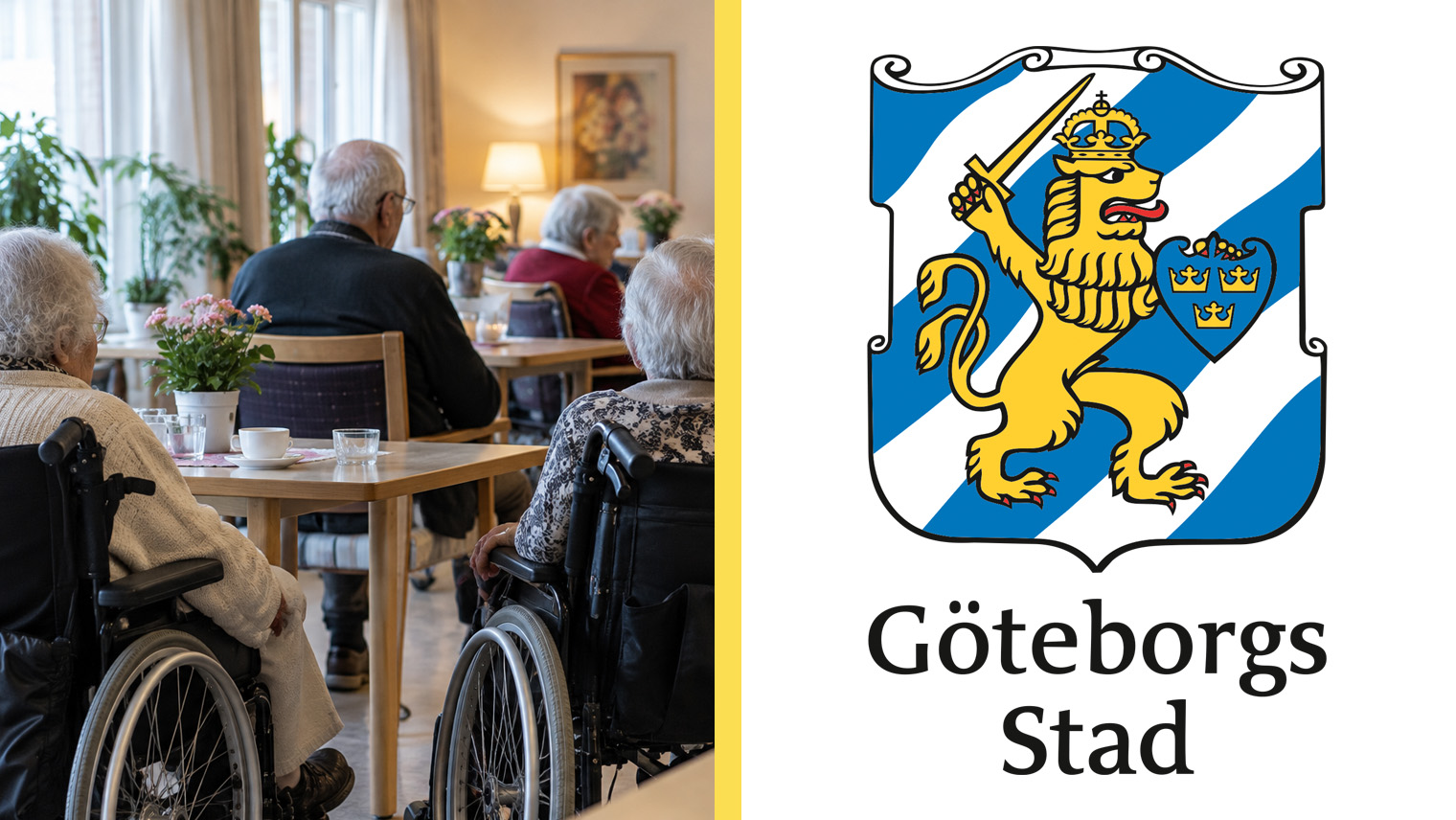
Reactions from the elderly and relatives to staff not speaking Swedish well enough are, according to him, very common.
– It is not their job to teach someone to speak Swedish. This is about their care and safety.
How many among the staff have a foreign background?
– It’s nine out of ten, roughly.
Describes linguistic groupings
The source also describes what he perceives as linguistic groupings among the staff. Somalis, Ethiopians, and Arabs, according to the source, tend to stick partly to their respective groups, where languages other than Swedish are used.
– It often happens that people speak Somali, Persian, and other languages. I can’t know what languages they’re speaking.
How do you feel as a co-worker when you don’t understand what’s being said?
– You feel left out.
This is not the first time Samnytt has reported about language problems in Swedish elderly care. In a previous case, Marika told about her 86-year-old mother Astrid in Lindome, where she described language and competence problems in home care and how her mother could no longer return home.
ALSO READ: Astrid, 86, was injured by home care with poor Swedish – can never return home
Samnytt has also reported on 98-year-old Britt at the Villa Tule nursing home. Her daughter Karin described how staff spoke Arabic in front of the elderly and how her stroke-stricken mother felt left out. According to the daughter, an employee even tried to teach the demented woman Arabic.
ALSO READ: Daughter of demented 98-year-old: “Mother died in agony – the staff wanted her to learn Arabic”
In another acclaimed case, an assistant nurse recounted an elderly woman who demanded Arabic-speaking staff, and her son had to act as an interpreter. The assistant nurse described eventually finding herself saying: “Sorry for not knowing Arabic.”
ALSO READ: “Sorry for not knowing Arabic” – the sentence that says the most about Sweden 2026
The Unit Manager Promised to Return – Operations Manager Called
Samnytt contacted the unit manager to allow her to respond to the allegations. She said she would get back, but did not do so.
Instead, her superior, operations manager Madeleine Stenqvist, called. During the conversation, Samnytt pointed out that it was originally the unit manager who was sought for comment.
We have received information that job interviews have been conducted in a language other than Swedish. Is this true?
– All job interviews are conducted in Swedish and we have a clear recruitment process.

Stenqvist repeats the message and says that sometimes several people are involved in recruitment. According to her, managers also receive introduction and support regarding how recruitment should be conducted.
As for educational requirements, the answer is less categorical. The ambition, according to Stenqvist, is that as many as possible should be trained assistant nurses, but recruitment needs may require individual assessments.
– It is a judgment that must be made on a case-by-case basis.
Swedish Should Be the Working Language
Stenqvist is, however, clear that Swedish should be the common working language. She does confirm that other languages are used among staff.
– Occasionally, people may speak a language other than Swedish. And that is something we are working on together at the unit to ensure it is an inclusive environment.
The source believes that this can actually create the opposite of inclusion and reacts particularly to even a manager using a different language with certain employees.
– Unfortunately, everyone does it. But when a manager does it, it feels like… everyone starts doing it. But we only have one language, Swedish.
ALSO READ: Dagerlind: The forbidden election question – how Sweden failed its elderly
“If You Don’t Understand, You’re Not Included”
Samnytt asks Stenqvist what she concretely means by an inclusive environment.
When you say inclusive, what do you mean?
– Part of it is the language. Everyone should… the working language is Swedish.
But if you don’t understand what’s being said, you’re not included?
– For example…
Samnytt then presses her about the contradiction between the ambition for inclusion and the language issues the employee describes.
You say it’s important to talk to each other, to communicate. But the entire problem we raise is precisely about not being able to understand each other because different languages are being used?
Stenqvist answers that all feedback and reports must be taken seriously.
– All opinions and feedback must be taken seriously. That’s number one. Then you investigate the situation.
ALSO READ: Christer, 76, about life in elderly care: “If you criticize, you are called xenophobic”
What might such an investigation look like?
– Unfortunately, I can’t answer what that would be. But all opinions and feedback should be highlighted. No matter what it’s about, it’s obvious that you should listen to them.
Stenqvist maintains that reports must be taken seriously, but does not specify what concrete measures will now be taken.
ALSO READ: Pensioner received vinegar essence from home care instead of juice – several similar cases
Fogelklou: “Completely Horrible”
Samnytt has also spoken to Jörgen Fogelklou, group leader of the Sweden Democrats in Gothenburg. When he hears about employees with very poor Swedish skills, he reacts strongly.
– It’s completely horrendous if we hire people who cannot speak Swedish.
Fogelklou refers to the language requirements introduced in Gothenburg’s elderly care and says that the decisive factor is that anyone who is hired actually knows Swedish well enough for the job.
Of course, we should bring this up in a simple question and maybe even in an interpellation, to ask why we have received such reports. // We’ll talk to the unit manager. I can say that. We have good relations with her. So we can absolutely do that. Ask her critical questions.
Jörgen Fogelklou (SD)
– It must be ensured that those you employ can speak Swedish, can document, understand the language, and accept that at work we speak Swedish.
ALSO READ: Jessica Stegrud on the “rot” in elderly care: Warns of clan rule
When Samnytt tells him the tipster describes Somali- and Amharic-speaking and other groups speaking their own languages at work, Fogelklou is just as clear:
– You shouldn’t speak over the heads of other clients or other staff members. You should speak Swedish. Swedish is the language we use at work in the municipality.
ALSO READ: 20 home care employees suspended – care recipients half naked, denied toilets and medicines
“Elderly Care Should Never Be an Integration Project”
Fogelklou also reacts to the operations manager’s repeated references to an “inclusive environment”.
– We shouldn’t have an inclusive environment, we should have elderly care that takes care of the elderly. Elderly care should never ever be an integration project.
He points specifically to documentation, where he too says he has received reports of major problems in Gothenburg’s care services.
– We shouldn’t employ people who are unable to manage their job tasks in the first place. That’s the main problem.
ALSO READ: After Samnytt’s revelation – SVT Syrian no longer works in elderly care
The City of Gothenburg itself describes documentation as part of the regular work in home care. Staff receive information about visits digitally and must document what has been done in the care record system after each visit.
Jörgen Fogelklou puts the ultimate political responsibility on the Social Democrats, who govern Gothenburg along with the Left Party and the Green Party.
At the top of the red–green coalition sits the chair of the municipal board, Jonas Attenius (S), who himself has highlighted elderly care and home care as priority issues.
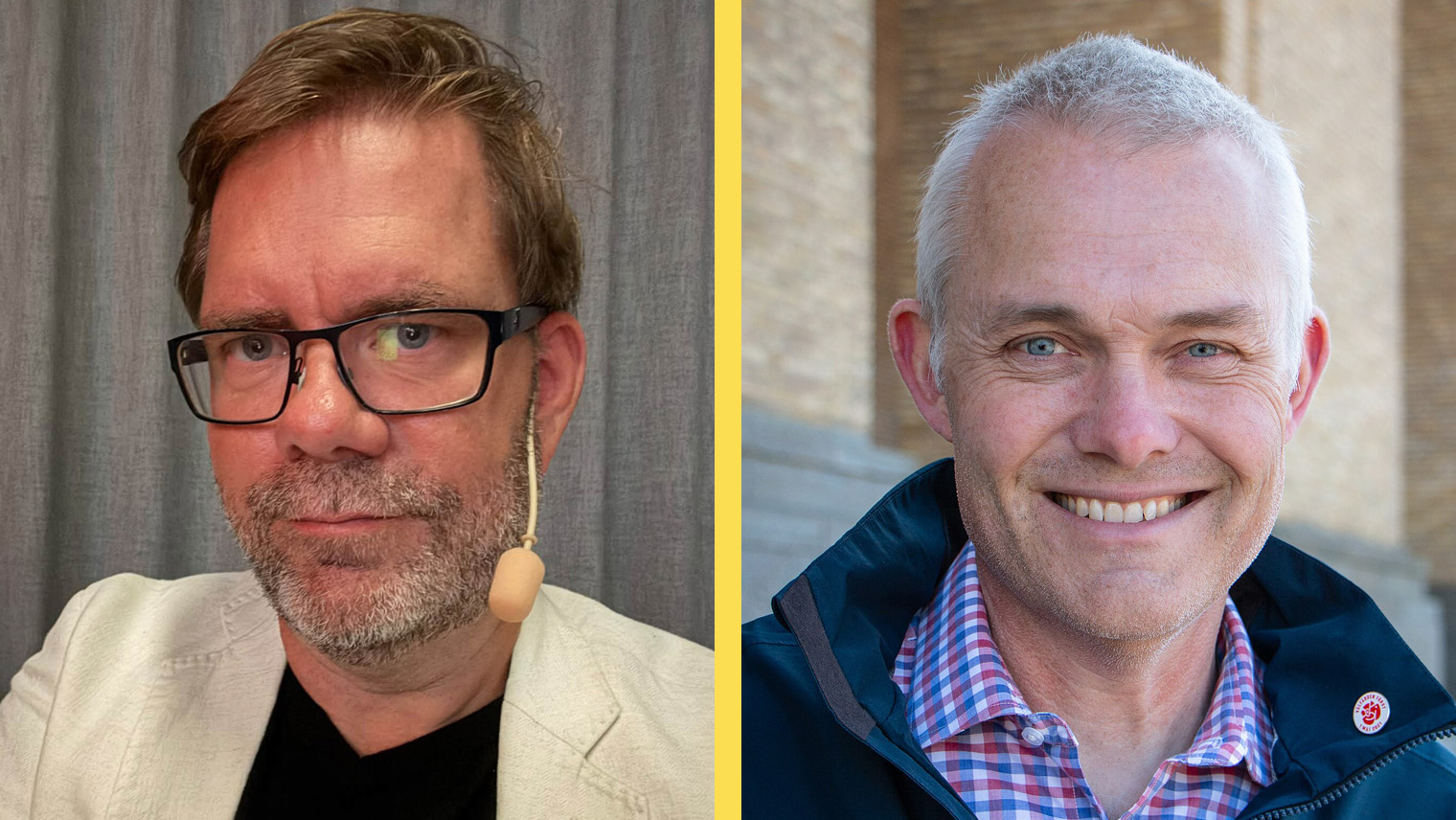
According to Fogelklou, the language problems are therefore not just about individual managers or recruitments but ultimately are a result of how the political leadership has managed the operations.
Downplaying the Interview Language Itself
When the issue returns to job interviews being conducted in the unit manager’s native language, Fogelklou nuances his criticism. He says it may be natural that two people with the same mother tongue use it between them.
– I don’t really have a big problem with that. But it must be ensured that the person who is hired can speak Swedish within the municipal home care service.
ALSO READ: Safety officer raises the alarm about crisis in elderly care: “Don’t let me live here”
For Fogelklou, the core issue is not which language is used during every part of the interview but whether the recruitment process really ensures that the applicant has sufficient knowledge of Swedish.
I tried to get a colleague to dare to speak up. But she didn’t want to “be a bother”. // The problems have always existed. But in the past we had managers who tried and had the will – to keep things in order.
Samnytt’s source in home care Askim
This remains central in the Askim case. The source’s claim is that people with very weak Swedish skills nevertheless were hired after interviews conducted in another language.
ALSO READ: IVO: Elderly exposed to violence, abuse, and serious shortcomings in elderly care
Operations manager Madeleine Stenqvist denies that interviews were conducted in other languages and says that all job interviews are conducted in Swedish.
SD Promises to Bring Up the Case Politically
Fogelklou says the party now intends to move ahead with the information from Askim. He mentions both a simple question and a possible interpellation in Gothenburg politics.
– Of course, we will bring this up in a simple question and maybe even interpellation, to ask why we have received such reports.
He also says that the Sweden Democrats will contact the unit manager directly.
ALSO READ: Inadequate Swedish in elderly care in three out of four municipalities
– We’ll talk to the unit manager. I can say that. We have good relations with her. So we can absolutely do that. Ask her critical questions.
Afraid of Consequences
Samnytt’s source says more colleagues are aware of the problems, but there is reluctance to speak to the media.
– I tried to get a colleague to dare to speak up. But she didn’t want to “be a bother”.
The source wants to remain anonymous out of concern for consequences in the workplace. According to the source, people who have expressed their views or complained have previously been reassigned. Samnytt has not been able to verify this information.
The source also emphasizes that the language problems did not start with the current unit manager. The difference, according to him, is the signal that management sends.
– The problems have always existed. But previously we had managers who tried and had the will – to keep things in order.
ALSO READ: When feigned goodness comes before responsibility – and the elderly pay the price
When a manager herself uses another language, the source argues, it becomes harder to maintain the principle of Swedish as the working language among other employees.
Madeleine Stenqvist maintains that Swedish is the working language and that all job interviews are conducted in Swedish.
investigations?
Do you appreciate Samnytt? Show it by subscribing or donating.
DONATE VIA SWISH
123 083 33 50